Please ensure Javascript is enabled for purposes of website accessibility

Category: Arthritis

  • Three physical therapy exercises to help your neck arthritis

    Three physical therapy exercises to help your neck arthritis

    Feeling stiffness and pain in your neck? If you’re older, these could be signs that you have neck arthritis. 

    The neck is made up of vertebrae, facet joints, cartilage and discs that can all wear out as you age. This natural wearing is what leads to cervical osteoarthritis. It’s reported that more than 85% of people over 60 have this type of arthritis. Fortunately, physical therapy can help treat the symptoms of neck arthritis. For instance, your physical therapists can prescribe helpful therapeutic exercises such as the following: 

    • Chin tuck

    Purpose: This physical therapy exercise can help people with neck arthritis in two ways. It can stretch the muscles in the back of the neck, and it can help strengthen the frontal neck muscles. 

    How to do the chin tuck exercise: 

    • Sit up straight in a stable chair. 
    • Slowly pull your head straight back until you develop a double chin, keeping your chin and nose level. 
    • Hold this position for three to five seconds. 
    • Return your head to its original position and rest for a few seconds. 
    • Repeat these steps until you’ve done 10 to 15 repetitions of the exercise. 

    • Head rotation

    Purpose: Head rotations are physical therapy exercises intended to stretch muscles in the side of your neck. 

    How to do head rotations: 

    • Sit with good head and neck posture and your eyes looking straight ahead. 
    • Slowly rotate your head as far as you can to the right. Make sure your chin stays level as your head rotates.
    • Hold this position for 15 to 20 seconds. 
    • Slowly rotate your head as far as you can to the left.
    • Hold this position for 15 to 20 seconds. 
    • Continue to do left and right head rotations until you’ve stretched both sides of your neck three to five times.

    • Side bend

    Purpose: Side bends are physical therapy exercises designed to ease neck arthritis symptoms by stretching muscles in the side of your neck and the top of your shoulder. 

    How to do the side bend exercise:

    • Sit upright with your chin level. 
    • Grab the bottom of your chair with your hands to help keep your shoulders from riding up. 
    • Slowly tilt your head as far as you can to the left. 
    • Hold this stretch for 15 to 20 seconds. 
    • Return your head to the neutral position. 
    • Slowly tilt your head as far as you can to the right. 
    • Hold this stretch for 15 to 20 seconds. 
    • Repeat the exercise until each side of your neck has been stretched three to five times. 

    Find top-notch physical therapy for neck arthritis at Advent PT

    Seeking effective physical therapy for your neck arthritis? Our team at Advent Physical Therapy is ready and willing to help treat your cervical osteoarthritis. We can do a free screening to see how arthritis is affecting your neck. Then, our physical therapists can create a unique therapy plan for you that can help: 

    • Slash your pain. 
    • Boost neck mobility and strength. 
    • Improve your ability to perform common daily activities. 
    • Slow the progression of your osteoarthritis. 

    You can also sign up for virtual therapy and at-home care appointments with our team, which can help treat your symptoms right in your home. 

    Contact our team today for more information about our arthritis treatment services or to schedule an initial appointment.


  • Three ways physical therapy can benefit those with neck arthritis pain

    Three ways physical therapy can benefit those with neck arthritis pain

    The neck contains many soft tissue structures and joints that can wear out as you age. When this happens, it’s often referred to as cervical osteoarthritis. This condition can lead to pain when doing normal daily activities. 

    Millions of Americans will end up having to deal with neck osteoarthritis at some point. In fact, medical studies report that more than 85% of people over 60 have this condition. One way you can treat the symptoms of neck osteoarthritis is to work with a physical therapist. These medical professionals can even help you reduce your neck osteoarthritis pain. 

    Three of the benefits physical therapy can offer for your neck osteoarthritis pain

    A physical therapist is trained to treat issues with the human musculoskeletal system. This includes issues like osteoarthritis that are affecting your neck. There are many ways that your physical therapist can help treat your neck osteoarthritis pain and other symptoms. Common ways your therapist can help you include: 

    1. Reducing your pain — Pain is the most debilitating symptom of arthritis. It can make even turning your head a task you try to avoid. However, physical therapists have access to techniques that can help decrease your neck pain. One study found that a combination of manual therapy and therapeutic exercises helped 75% of patients achieve significant neck pain reductions in just one week. 
    1. Improving neck function — Addressing decreased neck function is also a common goal of physical therapy for neck arthritis. Manual therapy is one way that physical therapists can help meet this goal. It involves techniques where therapists use their hands to manipulate and mobilize the neck. A study on patients who had manual therapy found that it helped 70% of them achieve significant increases in their ability to do normal daily activities. 
    1. Improving your posture — Poor head and neck posture can magnify cervical osteoarthritis symptoms. A physical therapist can take steps to help address this type of poor posture. For one thing, they can suggest ergonomic changes you can make at home or at work. Your therapist can also show you how to do postural exercises designed to help you maintain better posture. 

    Discover treatment for neck osteoarthritis pain at Rehab Access PT

    Ready to find treatment that can decrease your neck osteoarthritis pain? Our physical therapists at Rehab Access Physical Therapy are prepared to help you treat all of your symptoms. We offer free screenings intended to confirm that your symptoms are being caused by neck osteoarthritis. Also, our team excels at building customized therapy plans designed to reduce arthritis pain and help you manage it in the future. Even better, you can get our help from home by using our virtual therapy service. 

    Contact our team today for more information about our arthritis treatment services or to schedule an initial appointment.

  • How to treat arthritis pain that’s worse in the morning

    How to treat arthritis pain that’s worse in the morning

    Osteoarthritis isn’t an issue that you alone are dealing with. It’s estimated that 67 million Americans will be dealing with some type of arthritis by 2025. However, it is possible to learn how to effectively treat arthritis pain, especially when it’s worse in the morning. Physical therapists can help you learn how to effectively treat your arthritis pain even when you aren’t at a PT clinic. 

    Two steps you can take to figure out how to treat arthritis pain that’s worse in the morning

    Many people with arthritis pain tend to stiffen up if they remain in one position for too long. This can also lead to greater pain when they first start moving again, and during sleep time is often the longest period of time that people remain motionless on any given day. As a result, many osteoarthritis sufferers might be wondering how to treat arthritis pain that’s worse when they first wake up in the morning. 

    Some steps you can take to treat this type of arthritis pain include: 

    1. Changing your sleeping pattern — Many people think that sleeping for eight hours at a time is the only way to sleep. Yet there are other sleep patterns that can help your osteoarthritis. Some of these patterns include options like: 
    • Biphasic sleep — This sleeping pattern involves resting in two blocks at different times during the day. Often, people will sleep for five to six hours at night. Then, they’ll rest again for 30 to 90 minutes sometime during the day. 
    • Polyphasic sleep — This sleeping pattern is when a person sleeps more than twice per day. Typically, people who use this pattern sleep for two to three hours at night. They then take between three and six 20- to 30-minute naps throughout the day. 

    The upside to switching to these two patterns is that you’ll be sleeping in shorter intervals. This means you’ll be in one position for less time, which can reduce your stiffness and pain when you wake up. 

    1. Going to physical therapy regularly — Another way to reduce your arthritis pain generally is to go to regular physical therapy sessions. During these sessions, your physical therapist can teach you how to do helpful therapeutic exercises. They can also help you with techniques such as: 

    Discover how to treat your arthritis pain with help from SOL PT

    Are you ready to learn how to effectively treat your arthritis pain? Our team at SOL Physical Therapy is ready to help you accomplish this important goal. Our top-notch physical therapists excel at creating individualized therapy plans for each of our patients. These plans are designed to offer benefits like: 

    • Decreased pain.
    • Improved ability to do normal daily activities. 
    • Increased ability to sleep. 
    • Slowing the progression of your osteoarthritis. 

    Even better, you can use our virtual therapy service to get help from our team without leaving home. 

    Contact our team today for more information about our arthritis treatment services or to schedule an initial appointment. 

  • Four ways to make life easier when you have stiff finger joints

    Four ways to make life easier when you have stiff finger joints

    One of the ways that arthritis in your hands makes life more challenging is by causing stiff finger joints. It’s difficult to use your hands for normal daily activities when you cannot fully bend your fingers because of arthritis.

    Unfortunately, there is no cure for arthritis. However, treatments like physical therapy can help reduce the pain and improve your range of motion. Additionally, there are some changes you can make in your daily life to help make life easier when you have stiff finger joints.

    1. Exercise

    Exercise is probably the last thing you want to do when you have stiff finger joints, but it may be exactly what your fingers need. Exercising improves the strength and flexibility of your muscles. Stronger and more flexible muscles can provide better support for the joints and help improve your range of motion and grip strength.

    2. Wear a brace

    It’s difficult to use your fingers when pain and stiffness is spreading throughout your entire hand. Wearing a brace or splint can help reduce some of the pressure off your hand and fingers. This can improve your ability to use your fingers for simple activities.

    3. Improve your diet

    A poor diet can promote the development of inflammation, which makes joint pain worse. Foods that make inflammation worse include:

    • Saturated fats
    • Red meat
    • White bread and processed grains
    • Sugar 

    A healthier diet contains nutrients that help fight inflammation instead of making it worse. You can improve your diet to help fight inflammation by consuming foods rich in:

    • Unsaturated fats
    • Lean protein
    • Whole grains
    • Colorful fruits and vegetables

    4. Simplify your life

    Do you use a manual can opener in the kitchen? Switch to an electric one instead. Anything you can do like this to simplify your daily life can help you accomplish tasks without straining your finger joints.

    Visit SSOR today for stiff finger joint treatment

    Are stiff finger joints from arthritis making it difficult to accomplish daily tasks or enjoy your favorite activities? Our team at SSOR can help.

    We can examine your fingers and guide you through a treatment routine to help manage the pain and improve your range of motion. Contact our team today for more information about stiff finger joints or to schedule an initial appointment.

  • Four options for improving your hip arthritis treatment

    Four options for improving your hip arthritis treatment

    Arthritis can affect any joint in your body, but it can be especially irritating when it affects your hips. The hips are responsible for bearing a lot of your body weight and powering your legs for walking, running, jumping, bending over or crouching. As arthritis wears down the cartilage in your hips, it becomes more difficult to do any activities involving these movements.

    While there is no cure for arthritis, there are treatments that can help reduce the pain and improve your range of motion. Here are a few tips that can help you improve your hip arthritis treatment.

    1. Stick to your prescriptions

    Has your doctor prescribed any medications to help you manage the symptoms of your hip arthritis? Make sure you stick to your prescription exactly as it is laid out. Do not take more medication than you are supposed to because you think that will help more. If your pain is getting worse, talk to your doctor and let them decide how you should proceed. 

    2. Lose weight

    Part of the responsibility of your hips is to support your body weight. If you are overweight, you are exerting excessive strain on your hips. This can make the arthritis pain feel worse and make your hips have to work harder for simple movements, like walking.

    Simply losing some weight can help you reduce strain on the hips, which can reduce pain and stiffness from arthritis.

    3. Improve your diet

    Improving your diet not only helps you lose weight, but it also helps you fight inflammation. Reducing inflammation can slow the progress of arthritis and reduce pain and stiffness in your hips. 

    Eat more foods that are rich in lean proteins, unsaturated fats, whole grains, and vitamins and nutrients found in colorful fruits and vegetables. Avoid eating foods like red meat or foods with a lot of saturated fat, sugar or processed grains as these are known to make inflammation worse.

    4. Do physical therapy

    Physical therapists are licensed health care professionals who can examine your hips and provide a personalized treatment routine to help you with your arthritis. Physical therapy cannot cure arthritis, but it helps make your hips stronger and more flexible, which can improve your range of motion and reduce pain in a wide range of activities.

    Physical therapy treatments often include a regular routine of:

    • Gentle stretches and exercises
    • Joint mobilization
    • Soft tissue mobilization
    • Posture guidance
    • Patient education, such as for nutrition or weight loss

    Visit Continuum Wellness today for hip arthritis treatment

    Is hip arthritis keeping you from enjoying anything that involves being on your feet? Our team at Continuum Wellness is here to help. We can examine your condition and guide you through a treatment to help manage your arthritis. Contact our team today for more information about hip arthritis treatment or to schedule an initial appointment.
  • How would you feel without arthritis pain?

    How would you feel without arthritis pain?

    Joints that move more smoothly as you walk. Decreased joint pain when you wake up in the morning and when doing daily activities. These are just a few of the possible benefits that arthritis pain treatment from a physical therapist can offer. 

    Arthritis is a common issue for Americans; it’s estimated that about 63 million Americans will be diagnosed with some form of arthritis in 2020. Chances are, using physical therapy to treat arthritis isn’t a new suggestion for you. Physical therapy has been a respected treatment option for decades, and it’s known for helping joint pain and stiffness. 

    You may have resisted because the idea of putting yourself through painful exercises is not an appealing one. Yet physical therapists can make those moves much less grueling than you might think. More importantly, the right personalized therapy plan can leave you with feelings of relief and an increased willingness to move around. There are several types of physical therapy that are particularly useful for treating arthritis pain.

    • Soft tissue mobilization

    Soft tissue mobilization can help ease the aches of sore muscles and throbbing joints. And there are even more benefits that this type of manual therapy can offer arthritis sufferers. This therapy technique can also increase blood circulation where you need it most. In turn, your arthritis pain and joint stiffness can be decreased.

    • Learning new ways to sit, stand and move

    Arthritis pain treatment from a physical therapist can help you improve your posture while at rest or moving. To deal with arthritis pain, for example, your physical therapist can help you find new ways to accomplish your daily tasks without pain. These specialists also identify body positions, along with non-ergonomic work setups, that contribute to pain. There are ingenious workarounds for many of the moves that cause aching joints that you might never have guessed — whether it’s going up the stairs, emptying the dishwasher or holding your grandchildren.

    • Making all the right moves

    What you may think of as “traditional” physical therapy can also do a world of good when used to treat arthritis pain. Gentle exercises, which you can also do at home, help you limber up your stiffened joints and muscles. Additionally, they can help strengthen surrounding muscles for better support. The exercises your therapist shows you can also help increase the range of motion of your joints. All are designed to help arthritic patients move more freely and with less pain.

    Find effective arthritis pain treatment at Advent Physical Therapy

    You can find these and many other treatment options for arthritis pain at Advent Physical Therapy. Our team can start you off with a free screening. This screening is designed to help us learn as much as possible about how arthritis is affecting your body specifically. Using this information, we can then build you a personalized arthritis therapy plan intended to reduce pain and improve your ability to move. 

    Can’t leave home to come to one of our West Michigan clinics? No problem! Our team offers virtual care and at-home therapy. These options allow you to get the therapy you need without leaving your home. Even better, you can begin using any of our therapy services without having to get a doctor’s referral first.

    Ready to feel relief from your arthritis pain? Contact our team today for more information about how we can help treat arthritis or to schedule an initial appointment.

  • Treating arthritis pain without medication

    Treating arthritis pain without medication

    Most of us don’t realize how important our joints are to our daily activities until they’re affected by arthritis. This disease causes the cartilage in the joints to break down, which is painful and can limit your range of motion. It can also affect your grip strength and ability to balance, which makes simple activities suddenly more difficult.

    There are several different forms of arthritis, but almost all of them act in the same way of causing cartilage damage. Sadly, there is currently no cure for arthritis, but there are treatments that help manage the pain, improve your range of motion and slow the progression of the disease. One treatment that helps many people with arthritis is physical therapy.

    Treating arthritis with physical therapy

    Physical therapy is beneficial for people with arthritis because it helps manage the pain and improve range of motion and other mobility challenges related to arthritis. If you’re suffering from arthritis and visit a physical therapist for help, they will examine your condition thoroughly and come up with a customized treatment routine that works for you.

    Physical therapy treatments for arthritis often include:

    • Stretching and exercising — Your physical therapist may guide you through gentle stretches and exercises to improve your muscle strength and flexibility. This helps improve your flexibility and reduces pressure off your joints. 
    • Manual therapy — Physical therapists can use a variety of hands-on techniques known as manual therapy. These help reduce pain, improve your range of motion and break up any scar tissue that may be contributing to your symptoms. 
    • Posture guidance — Poor posture when standing, sitting and sleeping can put additional strain on your joints that makes arthritis pain worse. Your physical therapist can work with you to improve your posture to help keep arthritis pain from getting worse.

    Why it’s important to cut back on medication as much as you can

    Treating arthritis with physical therapy helps reduce pain so effectively that you may be able to cut back on or completely eliminate your need for pain medication. This is beneficial for you because pain medications often cause undesirable side effects that make your daily life less enjoyable. They can also be highly addictive, which can cause other problems further down the road if left unchecked.

    Visit Whatcom Physical Therapy for arthritis treatment

    Are you suffering from arthritis pain and don’t want to rely solely on medication for treatment? Our physical therapists at Whatcom are here to help. We can examine your condition and develop a treatment designed with your specific needs in mind. Even better, you don’t have to have a doctor’s referral to begin using any of our therapy services. Contact us today for more information about arthritis treatment or to schedule an initial appointment.

  • Are you an arthritis pain sufferer? Here’s how physical therapy can help

    Are you an arthritis pain sufferer? Here’s how physical therapy can help

    Many of us don’t realize how important healthy joints are in our daily lives until one or more of them are suffering from pain and stiffness related to arthritis. This condition causes the cartilage in your joints to break down, which itself is painful but can also lead to bone-on-bone grinding in your joints.

    Although there is no cure for arthritis, there are treatments that can help reduce the pain, improve your range of motion and slow the development of the disease. One effective treatment that benefits many patients with arthritis is physical therapy.

    Treating arthritis with physical therapy

    Physical therapists are licensed health care professionals who specialize in treating conditions that affect your bones, muscles and joints. They have many treatment methods at their disposal that they use to primarily help reduce and prevent pain related to chronic conditions like arthritis.

    If you visit a physical therapist for arthritis, they can examine your body to decide on how to personalize your treatment approach to achieve the best possible results. Treatments vary from person to person, but usually, you can expect treatment for arthritis to include:

    • Therapeutic exercises and stretches — The goal of stretches and exercises is to help improve your strength and flexibility. Stronger and more flexible muscles can move more freely and provide better support for your joints, which helps reduce pressure and pain.
    • Manual therapy — Manual therapy is any treatment that involves the use of your physical therapist’s hands to mobilize and maneuver your soft tissue and joints. These techniques can help reduce pain, break up scar tissue and improve your range of motion.
    • Posture guidance — Poor posture can increase pressure on your joints, which causes further pain related to arthritis. Your physical therapist can examine your posture and help you improve it to help reduce and prevent pain.

    Visit Whatcom Physical Therapy for arthritis treatment

    Are you tired of feeling stiff and achy all of the time because of arthritis? Our team can work with you to help you manage your arthritis pain, so you can focus more on enjoying your life. In addition, you can begin physical therapy without the need for a doctor’s referral. Contact us today for more information about treatment or to schedule an initial appointment.

  • What arthritis pain sufferers need to know

    What arthritis pain sufferers need to know

    Having knee pain when walking the dog. Feeling a twinge of pain in your hip when you bend over to load the dishwasher. These are just a few of the ways that arthritis can impact your daily life. 

    It’s also very likely to affect you. In fact, it’s reported that about 63 million people will be diagnosed with some form of arthritis in 2020. Having as much information as possible is vital to effectively living with and treating arthritis. Physical therapists can help arthritis pain sufferers learn about their condition; they can also provide effective treatment for many types of arthritis.

    What is arthritis?

    The first thing arthritis pain sufferers should know is what arthritis is. Arthritis is a joint disorder that features inflammation, pain and stiffness. There is also often a loss in movement with arthritis, as the joints are too inflamed to move. When only a single joint is involved, it’s known as monoarthritis. If two or three joints are involved, it’s referred to as oligoarthritis. 

    There are over 100 types of arthritis. However, some types are far more common than others. Some of the most common types of arthritis include: 

    How can arthritis pain sufferers get a confirmed arthritis diagnosis?

    The arthritis diagnosis process is another area that arthritis pain sufferers should be familiar with. A medical professional can examine your joints for deformity and inflammation, look for signs of disease and review your history of symptoms. 

    Blood tests, urine tests, X-rays or joint fluid tests may be ordered. The goal of this exhaustive diagnostic process is to confirm that arthritis is causing your symptoms and not some other issue. Early diagnosis can help prevent disability and irreversible damage. Exercise routines, medications, rest and physical therapy may be recommended once an arthritis diagnosis has been confirmed.

    How can physical therapy help arthritis pain sufferers?

    Arthritis pain sufferers should also be aware of how physical therapy can help them. Physical therapy is all about engaging in physical activity and exercise. A physical therapist can provide properly guided exercise regimens. It’s important that you do the proper, safe exercises to avoid injury. 

    Regular physical activity can have benefits for arthritis patients that include: 

    • Keeping the muscles around affected joints strong
    • Decreasing bone loss
    • Helping to control joint swelling
    • Replenishing lubrication to the cartilage of the joint naturally
    • Reducing stiffness and pain
    • Enhancing energy and stamina
    • Decreasing fatigue
    • Improving your ability to sleep soundly
    • Promoting long-term weight management

    Arthritis pain sufferers can find help at Peak Performance

    Arthritis pain can be miserable and debilitating for those who suffer from it, and unfortunately, there is no cure for it yet. Our Peak Performance physical therapists can help confirm you have arthritis with a free screening. We also excel at creating therapy plans that are customized to each arthritis patient’s specific needs. 

    Can’t leave home to come to one of our therapy clinics? No problem! Our team offers a therapy service called virtual care that’s designed to be used in your own home. You can even start getting our help without first getting a doctor’s referral. 

    Contact us today for more information about our arthritis treatment options or to schedule your free screening. 

  • Information that every arthritis pain sufferer should know

    Information that every arthritis pain sufferer should know

    Arthritis is a condition that can have a profound effect on your day-to-day life. Walking your dog every evening. Playing with your grandchildren. Hobbies like knitting or woodworking. The pain and other symptoms of arthritis can make all these activities and more a trial. 

    Unfortunately, there are far too many people that have to deal with the negative effects of arthritis. And the numbers are steadily growing. Currently, it’s estimated that about 63 million people have been diagnosed with arthritis. This number is projected to grow by almost 10 million people within the next 10 years. Physical therapy can be beneficial for arthritis pain sufferers, but having as much information as possible about your arthritis can help make your treatment more effective. 

    What is arthritis?

    People suffering from arthritis pain should know as much as possible about their condition. Arthritis is a joint disorder, which features inflammation, pain and stiffness. There is also often a loss in movement with arthritis, as the joints are too inflamed to move. When only a single joint is involved, it’s known as monoarthritis. If two or three joints are involved, it’s referred to as oligoarthritis. 

    There are more than 100 types of arthritis that have been identified to date. Osteoarthritis occurs due to wear and tear of the cartilage, and rheumatoid arthritis results from an overactive immune system. Many people cannot work due to arthritis and have to go on disability. Additionally, it affects men, women and even children. Arthritic pain can both impede your mobility and decrease your quality of life.

    What’s involved in diagnosing arthritis?

    Your doctor will examine your joints for deformity and inflammation, look for signs of disease and review your history of symptoms. Blood tests, urine tests, X-rays or joint fluid tests may be ordered. Early diagnosis can prevent disability and irreversible damage. Medications, rest and physical therapy may be recommended to help treat your arthritis.

    How physical therapists can help arthritis pain sufferers

    Arthritis pain can be miserable and debilitating for those who suffer from it, and unfortunately, there’s no cure for it. A physical therapist can custom-tailor a therapeutic exercise program for you to help mobility and strength. This exercise program will be designed to address several areas of the body. 

    For example, if you suffer from arthritis pain in the knee, an exercise program will address the lower back, hip and ankle, in addition to the knee. That’s because all these areas contribute to proper knee control and mechanics. Carrying objects, lifting and squatting may also be a part of the treatment plan.

    Some of the other therapy techniques often used to treat arthritis symptoms include: 

    Panther Physical Therapy offers treatment for arthritis pain sufferers

    Are you unsure where to find treatment for the arthritis pain you’re suffering from? You can find effective treatment for your arthritis symptoms from our Panther Physical Therapy team. We offer free screenings that can pinpoint the specific type of arthritis you’re dealing with. Our physical therapists also excel at creating personalized therapy plans designed to reduce arthritis symptoms.

    Not able to leave home to get your physical therapy? Our team has an answer! We offer virtual therapy and at-home care sessions that you can use right in your very own home. Additionally, we don’t require that you have a doctor’s referral before you begin using our therapy services. 

    Contact our team today for more information about how we can help you treat arthritis or to schedule an initial appointment.
  • Want to treat arthritis pain without the meds? Look to a physical therapist

    Want to treat arthritis pain without the meds? Look to a physical therapist

    Pain when you first wake up in the morning. Stiff joints. Difficulty playing with your grandkids or taking a walk with friends. These are all issues that more than 54 million arthritis sufferers in the U.S. deal with daily. 

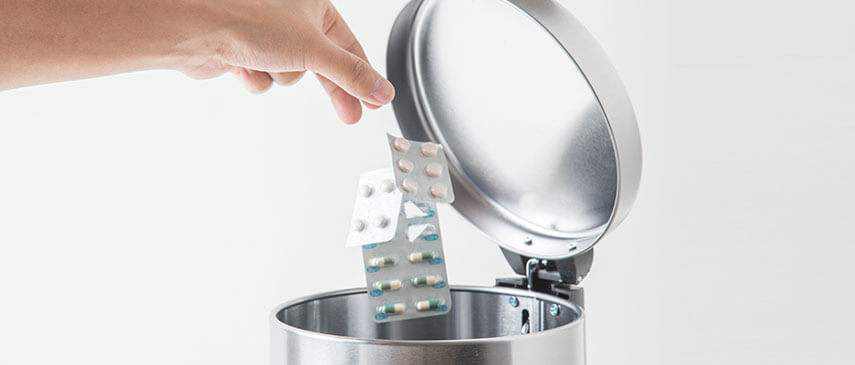
    Treating your arthritis might not be as simple as taking pain medications. After all, arthritis medications and pain medicines can cause some nasty side effects. If you’re looking for a way to treat arthritis without meds, consider meeting with a physical therapist to learn how you can kick the meds and reduce your arthritis symptoms.

    What is arthritis?

    Arthritis is a term used to describe any condition that causes inflammation in the joints. There is far more than one type of arthritis. In fact, there are reported to be more than 100 different kinds of joint pain and joint disease that fall under this name. 

    While arthritis is commonly believed to be a condition that afflicts the elderly, the reality is that it can strike people in early middle age. Some of the most common forms of arthritis include: 

    Why treating arthritis without pain medications is preferable

    Medications are just one of the treatment options for people with arthritis, but you may want to consider finding ways to go without them. Many types of meds are commonly used to treat arthritis. Doctors may prescribe nonsteroidal anti-inflammatory drugs (NSAIDs), corticosteroids or antirheumatic drugs to treat various arthritis types.

    However, each of these meds carries a risk of side effects, and some can be extremely serious. You can even end up taking more meds just to cancel out the side effects of your arthritis medication. A few of the side effects arthritis pain medications can lead to include: 

    • An increased risk of blood clots, heart attack or strokes 
    • Contributing to cataract development 
    • Causing high blood sugar levels
    • Increasing the risk of bone loss (osteoporosis)

    Physical therapy from Border Therapy Services can help you treat arthritis without medication

    One of the goals our specialists at Border Therapy Services have for our arthritis patients is to increase their ability to do without pain medications. Additionally, our physical therapists offer arthritis treatment that can help: 

    • Increase range of motion
    • Improve muscle strength to reduce stress on the joints
    • Manage your weight
    • Improve posture
    • Boost your ability to perform normal daily tasks

    We’ll start your therapy process by performing a free screening. This service allows us to learn how and when arthritis symptoms are affecting you. Using this data, our team will build you a personalized therapy plan that can include virtual care and at-home therapy. You can even start using our therapy services without first getting a referral from your doctor. 

    Contact us today for more information about our arthritis treatment services or to schedule your initial appointment. 

  • Three benefits that physical therapy for arthritis pain can offer

    Three benefits that physical therapy for arthritis pain can offer

    You avoid walking the dog. You can’t play with your grandchildren. These are just a few of the ways people can be negatively impacted by arthritis. 

    Unfortunately, this issue is far too common in the U.S. In fact, it’s reported that more than 54 million Americans have some type of arthritis. Physical therapy has been a respected arthritis treatment option for decades and is known for helping joint pain and stiffness. Here are three of the ways that physical therapy for arthritis pain can benefit you: 

    1. Revealing the negative effects of smoking

    Smoking is one of the most troublesome habits that a person can have, but you might not realize that it can have negative effects on your arthritis. A physical therapy plan for arthritis pain can help you learn how smoking affects and even increases the likelihood of arthritis. One study reveals that smokers were more than twice as likely to develop this condition. Some of these reasons for this is that smoking can cause: 

    • Damage to cartilage cells
    • A decrease in the production of new cartilage
    • An increase the levels of cartilage-reducing toxins in the blood
    1. Helping you learn new ways to get around

    To deal with arthritis pain, for example, your physical therapy specialist can help you find new ways to accomplish your daily tasks without pain. These specialists also identify body positions, along with non-ergonomic work setups, that contribute to pain. There are ingenious workarounds for many of the moves that cause aching joints that you might never have guessed — whether it’s going up the stairs, emptying the dishwasher, or holding your grandchildren.

    1. Showing you exercises that can help reduce pain and stiffness

    What you may think of as “traditional” physical therapy can also do a world of good for arthritis pain. Gentle exercises, which you can also do at home, may help limber up your stiffened joints and muscles. They can also strengthen surrounding muscles for better support and increase your range of motion. All are designed to allow arthritic patients to move more freely and with less pain. In fact, one medical study reveals that 12 weeks of physical therapy helped reduce pain in hip osteoarthritis patients by more than 30%. 

    Get effective physical therapy for arthritis pain at Continuum Wellness

    Not sure where to get physical therapy for arthritis pain? Our physical therapy specialists at Continuum Wellness are primed to help you. Our clinics offer free screenings that can pinpoint which type of arthritis you have. We can then build you an individualized therapy plan designed to reduce your pain and other arthritis symptoms. 

    Think you need a referral to use our therapy services? Our team doesn’t require a doctor’s recommendation before people begin using our services. In addition, we are currently offering virtual care and at-home therapy options that allow you to get therapy without leaving home. 

    Take the next step to start getting our help with your arthritis. Contact our team today for more information or to schedule your initial appointment. 

When Was Your Appointment?

We recently changed bill pay providers. Please click the button for the date of your appointment to be directed to the correct online payment portal.