Please ensure Javascript is enabled for purposes of website accessibility

Category: Dry Needling

  • Dry Needling Vs. Acupuncture: Differences and Benefits

    Dry Needling Vs. Acupuncture: Differences and Benefits

    If you’ve been exploring alternative treatments for pain relief and healing, you may have already come across the terms “dry needling” and “acupuncture.” While the two may sound similar—and both use needles—these practices have distinct histories, purposes, and approaches to treatment. Understanding these differences can help you decide which (if either) option aligns best with your needs and goals.

    What is dry needling?

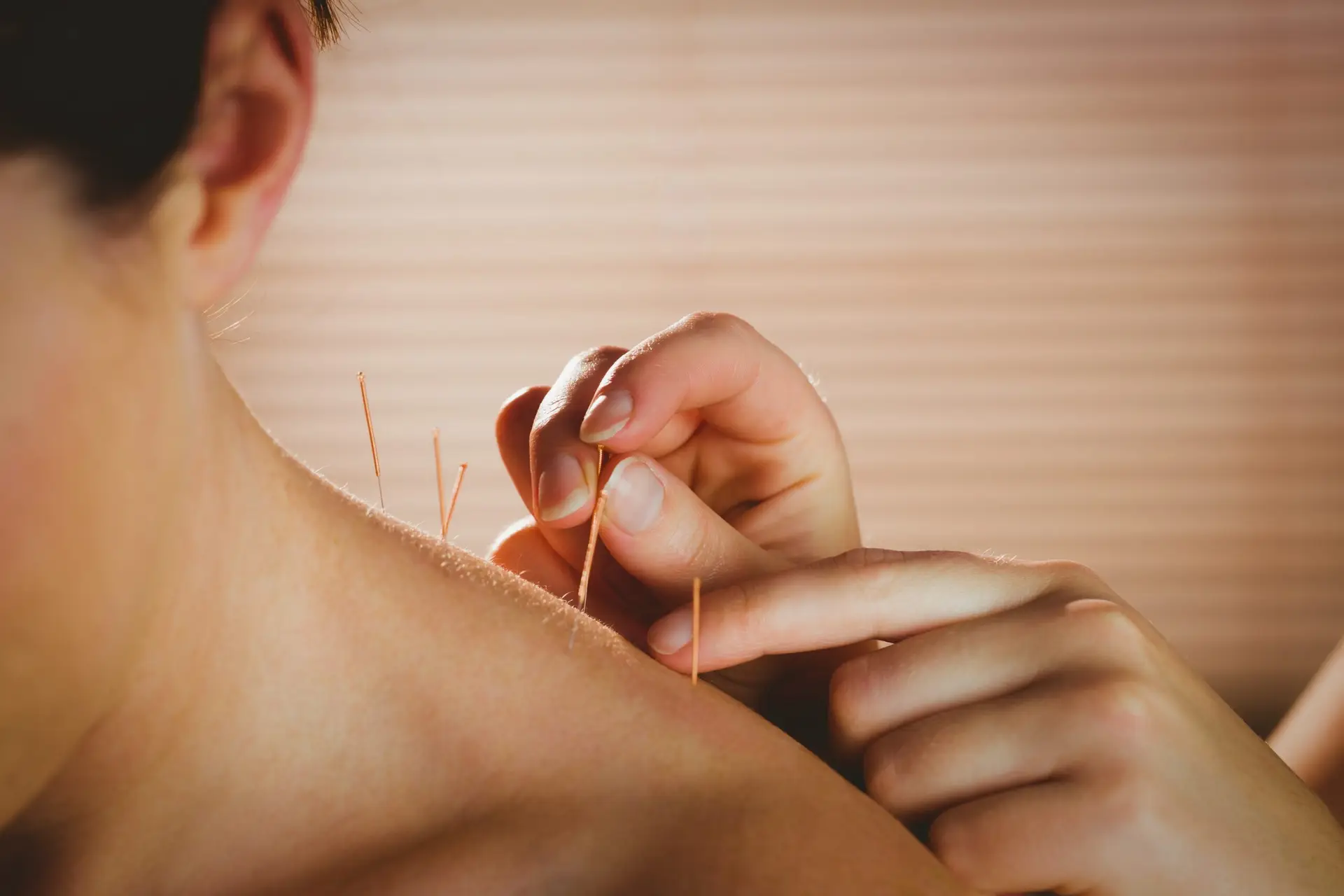
    Dry needling is a modern therapeutic technique commonly used in physical therapy and sports medicine to treat soreness and muscle tension. This practice involves inserting thin, filiform needles (similar to acupuncture needles) directly into trigger points, also called “muscle knots.” The goal is to release tension, relieve pain, and restore function to the affected muscles.

    Dry needling emerged in the 1980s when practitioners began combining research into “referred pain” and musculature trigger points with research on the immediate pain relief effect of inserting needles into the skin and muscle tissue. So unlike acupuncture, dry needling was developed through a Western anatomical and scientific lens, focusing on muscle and tissue physiology.

    Benefits of Dry Needling in Physical Therapy

    Dry needling offers several benefits for those dealing with muscle pain, inflammation, and tightness. Patients often report improvements in mobility, reduced stiffness, and faster recovery, making it a popular treatment in physical therapy for athletes and people with generally active lifestyles.

    Common benefits include:

    • Providing relief from chronic and acute muscle pain
    • Releasing tight knots to improve range of motion
    • Reducing inflammation around the affected area
    • Accelerating recovery from injury

    Difference between dry needling and acupuncture 

    We want to be clear: our physical therapists do not practice acupuncture, although there are many people who have had successful treatments of various kinds through the practice. Instead, we focus on the evidence-driven discipline of dry needling that may look similar from the outside, but is fundamentally different than acupuncture.

    Although both acupuncture and dry needling involve similar tools, the philosophies, techniques, and intended outcomes of dry needling and acupuncture diverge significantly.

    Philosophy and objectives

    • Dry needling: Based on Western medicine and anatomy, dry needling targets trigger points, myofascial tissue, and specific muscle groups. It’s specifically intended to address physical dysfunction and relieve pain for improved movement.
    • Acupuncture: Grounded in traditional Chinese medicine, acupuncture seeks to balance the body’s energy, or Qi, by stimulating specific points along energy pathways (meridians). The goal is to restore harmony, which many believe can help alleviate pain, reduce stress, and improve overall well-being.

    Types of needles

    • Both practices use fine, stainless steel needles. However, dry needling needles tend to be slightly thicker to penetrate deeper into muscle tissues.

    Placement of needles

    • Dry needling: Focuses on specific and predictable muscle trigger points where patients experience tightness or pain.
    • Acupuncture: The placement is more generalized and guided by a person’s meridian system, targeting points believed to influence both physical and emotional well-being.

    Depth of treatment

    • Dry needling often involves inserting needles deeper into tissues and muscles to reach specific trigger points.
    • Acupuncture usually involves more superficial placement, as its focus is on stimulating energy flow rather than treating the physical muscle tissues.

    Training for practitioners

    • Dry needling practitioners: Often licensed physical therapists (PTs) or sports medicine experts trained in anatomy, physiology, and techniques specific to dry needling.
    • Acupuncturists: Licensed acupuncturists undergo years of study in traditional Chinese medicine, meridian theory, and acupuncture methods.

    Dry needling treatment areas

    Dry needling is widely used in physical therapy as an additional benefit for treating musculoskeletal issues and sports-related injuries. Here are some common areas where dry needling can make a difference:

    • Back and neck pain
    • Shoulder issues
    • Knee pain
    • Chronic headaches/migraine
    • Sports injuries
    • Post-surgery recovery

    Not everyone who has one of these issues will benefit from dry needling, since, like all of our evidence-based treatments, it should be personalized to truly address your underlying concerns with the utmost efficacy and reliability.

    Learn more about dry needling as part of physical therapy

    If you’re experiencing pain, stiffness, or issues with mobility, dry needling may a helpful part of your comprehensive treatment plan. When administered by a skilled and licensed professional, dry needling can work in synergy with other physical therapy techniques, enhancing your recovery and overall outcomes.

    At Carolina Strong Physical Therapy, our experienced practitioners incorporate dry needling into customized treatment plans tailored to your needs and preferences. Whether you’re rehabilitating from an injury, managing chronic pain, or simply seeking improved performance, dry needling could be a game-changer. Learn more about how this might look for your treatment plan by calling one of our clinic locations today.
  • Dry Needling in Apache Junction, AZ

    Dry Needling in Apache Junction, AZ

    Dry Needling in Apache Junction, AZ

    Find relief nearby at Continuum Wellness, where we offer dry needling and other treatments to alleviate chronic pain and tight muscle groups with non-invasive, evidence-based solutions. Whether you have more questions or want to schedule an evaluation, our team is ready to take your call today!

    What is dry needling?

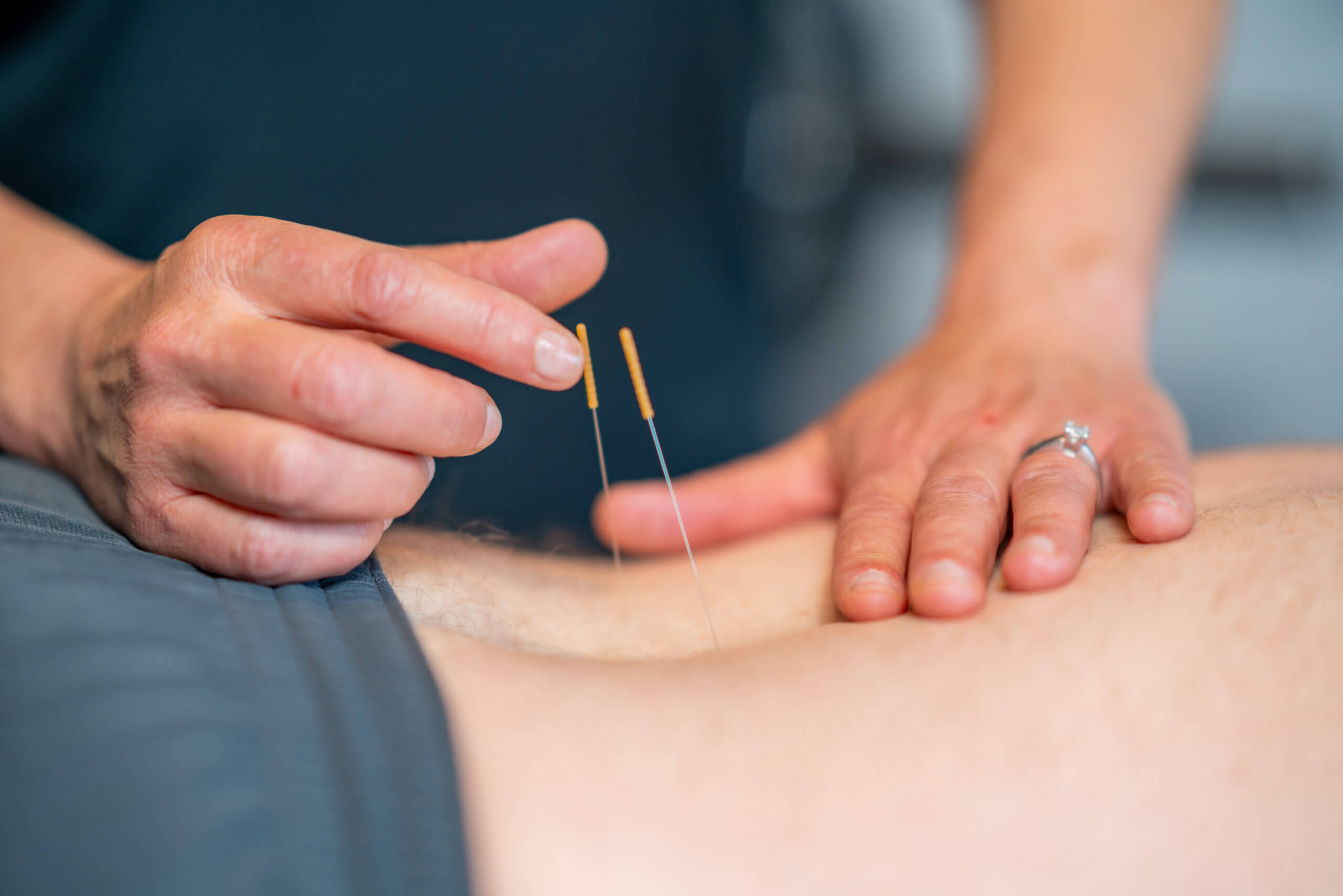
    Dry needling is an evidence-based treatment similar to acupuncture but specifically designed to alleviate muscle tension and chronic pain. Unlike acupuncture, which focuses on balancing energy flow, dry needling targets anatomical trigger points in muscles for therapeutic relief. This painless procedure can be effective for those suffering from:

    • Muscle aches and chronic pain
    • Injury pain and recovery
    • Headaches or migraines
    • Sciatica
    • Overuse injuries
    • Mobility issues or stiffness

    Relax and heal with a treatment that addresses the root of your discomfort, promoting overall wellness and improving your quality of life.

    Benefits of dry needling

    Whether you’ve been in pain for years or have been unable to shake off a recent minor injury, dry needling may be able to help. There are several reasons people in our community come to Continuum for dry needling, including:

    Non-invasive relief

    When administered by our trained dry needling specialists, each procedure is pain-free and produces minimal discomfort. Carefully administered filiform needles stimulate the muscle tissue beneath the skin to relax underlying muscle tension and reduce inflammation without the need for medication or long-term treatment plans.

    Evidence-based treatment

    Dry needling is backed by scientific research, offering you a trustworthy method to alleviate pain and improve mobility. It was developed in the second half of the 20th century by researchers looking into referred pain, where trigger points in specific muscles causes pain elsewhere in the body. By mapping the trigger points and the location of pain, researchers created a treatment plan to relieve pain in some areas by depleting the source of the pain at key trigger points in myofascial tissue.

    Distinct from acupuncture

    While acupuncture and dry needling both use needles, dry needling specifically targets muscle trigger points to provide precise pain relief. Dry needling also requires specialized medical training because the needles penetrate more deeply into the skin, reaching the myofascial layer of tissue beneath the skin.

    Fast Pain Relief

    Experience a reduction in pain and muscle tension soon after treatment, allowing you to return to your daily activities with ease. For full, lasting results, we often recommend a course of several weekly treatments.

    Meet our Apache Junction dry needling specialists

    Our experienced team in Apache Junction is dedicated to providing personalized care across a variety of physical therapy disciplines. We understand the challenges of living with chronic pain and are committed to helping you find relief. To learn more about dry needling, your options for relief from the pain you’re experiencing, or simply to ask any questions you have, don’t hesitate to call our office, next to Banner Health Clinic on S Idaho, or request your appointment online today!

  • Dry needling vs. acupuncture: 3 key differences

    Dry needling vs. acupuncture: 3 key differences

    Have you ever woken up feeling like a crumpled piece of paper? Your muscles very tight and achy? Or maybe you have a pain from an old injury that just won’t go away. If you’re looking for natural ways to help manage pain and improve your mobility, you may have come across two intriguing treatments: dry needling and acupuncture. 

    With all the needles involved, it’s natural to wonder what exactly these therapies are and how they’re different from each other. Read on to discover the unique philosophy behind the therapies and pinpoint their key differences. By the end of this exploration, you’ll be well equipped to decide which approach may be the best for your needs to help you find pain relief and an improved overall well-being. 

    Dry needling 101

    You can think of a physical therapist being equipped with a toolbox full of techniques to help ease pain. Dry needling can be one of the sharpest tools in their kit. A certified practitioner manually inserts thin, sterile needles into tight, knotted areas of your muscles called trigger points. These trigger points can be the culprit behind your pain and can cause the pain to radiate to other parts of your body. Dry needling aims to help deactivate these trigger points, relieve pain and restore normal muscle function. 

    A closer look at the science behind dry needling involves diving into:

    • Trigger points — Trigger points are hypersensitive spots within a muscle that can cause pain, tightness and weakness. These spots can develop due to repetitive strain, injuries or even poor posture. 
    • Neuromuscular response — When a needle is inserted into a trigger point, it stimulates the nervous system. This can cause a local twitch response. It can be described as a “twitch and release.” This twitch is believed to help relax the muscle fibers and reduce pain signals sent to the brain. 
    • Increased blood flow — When the needle is inserted, it can trigger an inflammatory response. This response helps bring more blood flow to the area. Increased blood flow can help promote healing and reduce inflammation in the surrounding tissue. 

    Acupuncture: Traditional Chinese medicine

    Acupuncture has a much longer history. Its use dates back thousands of years in traditional Chinese medicine (TCM). It’s based on the idea of “qi.” Qi is a vital energy that flows through channels in your body called meridians. When this flow gets disrupted, it’s believed to lead to pain and other health problems. Acupuncturists insert needles at specific points along these channels to help restore balance and promote healing. 

    Acupuncture is guided by core principles that include:

    • Yin and yang — The concept of yin and yang represents opposing yet complementary forces that exist within the body. Imbalances between yin and yang are believed to contribute to illness.
    • Five elements — Wood, fire, earth, metal and water are believed to correspond to different organs and body functions. Acupuncture treatment aims to help harmonize the elements. 
    • Meridians — These are invisible energy channels that qi flows through. Acupuncture points are located along these meridians. 

    Key differences between dry needling and acupuncture

    Dry needling and acupuncture might look similar at first glance due to both involving inserting thin needles into the body. However, they have some key differences:

    • Theoretical foundation — Dry needling is rooted in Western science and muscle anatomy. It focuses on targeting specific trigger points. Acupuncture stems from traditional Chinese medicine. It aims to help restore balance in the body’s energy flow to promote healing. 
    • Purpose of treatment — Dry needling is designed to help target musculoskeletal issues. It’s used to help conditions that involve muscle tightness, knots, spasms and pain. It can be used with physical therapy or chiropractic treatments. Acupuncture is used to help a wide variety of issues from physical and emotional to mental health issues. It aims to help restore balance within the body’s energy system. Acupuncture can be used to help conditions like chronic pain, stress, anxiety, and digestive disorders. 
    • Needles and techniques — Dry needling uses thin, sterile needles that are inserted quickly and often withdrawn just as quickly. Sometimes the aim is to elicit a local twitch response in the muscle. Dry needling can also be used with manual therapy or exercises to optimize outcomes. Acupuncture can use more needles that are inserted at various depths. They are also left in place for extended periods of time. Acupuncture may also incorporate other techniques with the needles, such as heat or electrical stimulation. 

    Understanding these key differences can help you make an informed decision about which therapy may be best suited to your needs. 

    Benefits of dry needling

    Now that we’ve covered what the therapies are and their differences, let’s talk about the benefits of dry needling. Dry needling has been proven to help with:

    • Pain relief.
    • Improved mobility.
    • Increased circulation.
    • Reduced muscle soreness.
    • Improved athletic performance.
    • Reduced stress.

    Conditions dry needling can help with

    Dry needling can be a helpful tool for managing a variety of conditions, including:

    • Neck pain — Dry needling can help alleviate pain and stiffness in the neck by targeting trigger points in the neck muscles. It can help reduce muscle tension and restore range of motion. 
    • Chronic back pain — Dry needling can help improve flexibility and reduce pain intensity by targeting trigger points in the back muscles. 
    • Tennis elbow and golfer’s elbow — Dry needling can be an effective treatment for tennis elbow and golfer’s elbow by targeting trigger points in the forearm muscles. By targeting these trigger points, it can help reduce pain and improve function. 
    • Headaches and migraines — Dry needling may help reduce the frequency and severity of tension headaches and migraines. It targets trigger points in the neck, shoulders and head muscles that can be associated with headache symptoms. 
    • Plantar fasciitis — Dry needling can help relieve pain and inflammation associated with plantar fasciitis. Trigger points in the calf muscles and plantar fascia are targeted to help promote tissue healing and improve foot function.
    • Sciatica — Dry needling may help alleviate sciatic nerve pain by targeting trigger points in gluteal and lower back muscles. It can help reduce pressure on the sciatic nerve and improve symptoms like pain, tingling and numbness.
    • Shoulder impingement syndrome — Dry needling can be beneficial for shoulder impingement syndrome by targeting trigger points in the shoulder and upper back muscles. It can help reduce muscle tension and improve shoulder mobility.
    • Fibromyalgia — Dry needling can help provide relief for fibromyalgia by targeting trigger points in various muscles throughout the body. It can help reduce pain sensitivity and improve overall muscle function and mobility. 
    • Hip pain — Dry needling can help relieve hip pain caused by conditions like osteoarthritis, bursitis or muscle strains. It targets trigger points in the hip and pelvic muscles, reducing pain and improving hip function. 

    Finding dry needling near you

    Are you thinking that the best treatment option for you is dry needling? Some things to consider when looking for a provider nearby include:

    • Consult your doctor — Consulting with your doctor before you begin dry needling is important, especially if you have any underlying health conditions. If you have certain bleeding disorders or are taking medications that affect blood clotting, dry needling may not be for you. 
    • Look for a qualified practitioner — A certified physical therapist trained in dry needling is a wise choice. If your practitioner is certified, you can be assured they’ve had the necessary training and experience to perform dry needling safely and effectively.
    • Ask questions — Don’t hesitate to ask about the practitioner’s experience with dry needling, their approach to treatment and what to expect during the session. You can also ask about their experience in using dry needling to help treat your specific condition. It’s important to feel comfortable and informed before undergoing any treatment. 
    • Find out about cost and insurance — Ask about the cost of sessions and if your insurance covers dry needling treatments. 
    • Ask about safety protocols — You’ll want to make sure the clinic follows strict hygiene and sterilization protocols. These protocols are in place to help minimize the risk of infection. 

    By understanding the differences between dry needling and acupuncture, you can be on your way to making an informed decision about which approach might be right for you. Explore your options, discuss your questions with your doctor and take charge of your well-being. 

    Experience the power of dry needling with Franklin Rehabilitation

    At Franklin Rehabilitation, we’re dedicated to providing exceptional care through our expertise in dry needling physical therapy. Our team of physical therapists is committed to delivering compassionate and personalized treatment. Each plan is tailored to meet the unique needs of the individual and can include dry needling or a variety of other complementary techniques. We’ll work together to create a treatment plan that will address your specific needs and concerns to help get you back to feeling your best. 

    Call us or request an appointment today about dry needling therapy.

  • Is dry needling an effective treatment for sciatica?

    Is dry needling an effective treatment for sciatica?

    Sciatica is a painful condition that can affect the lower back and legs. The sciatic nerve is the longest nerve in the human body; sciatic nerve pain is usually related to compression or irritation of this nerve. This condition can have many different root causes. Degenerative disc disease is just one possible cause of sciatic nerve pain in the back. Sciatica can be indicative of a larger problem. Because of this, treating the symptoms without addressing the root cause(s) may not be an effective solution for sciatica. Available treatment methods for sciatica include a variety of physical therapy strategies.

    Dry needling is a treatment technique designed to immediately reduce pain and improve mobility. Skilled physical therapy specialists use this technique to address a variety of musculoskeletal problems. Besides sciatica, dry needling can help treat conditions like tendinitis and fibromyalgia. One study showed that dry needling combined with stretching can improve clinical symptoms and muscle coordination. This study also found that dry needling helped reduce sciatic nerve pain in patients. Are you dealing with sciatica? Speaking with a physical therapist can help you decide whether dry needling is right for you.

    What is dry needling?

    Dry needling should be performed by a physical therapy specialist. The specialist will insert thin needles into specific trigger points along the body. This medical therapeutic technique aims to reduce pain and inflammation. It can improve range of motion and promote healing in the body. Similarities are often drawn between dry needling and acupuncture; however, there are important differences between these practices. Dry needling is based on modern scientific studies of systems in the human body. Western medicinal principles and rigorous research inform the method of dry needling.

    Dry needling works by stimulating the body’s natural healing processes. When the needles are inserted into trigger points, they create micro-injuries in the muscle fiber. This triggers chemical releases and growth factors. These can help repair damaged tissue and decrease inflammation. By stimulating the nervous system, dry needling can help treat sciatica by reducing pain and improving muscle function.

    How dry needling can treat sciatica

    In many cases, dry needling is an effective treatment for sciatica. Physical therapy specialists create personalized treatment plans. They can then use targeted dry needling in the areas where a patient’s symptoms are most severe. Here are some of the ways that dry needling can benefit patients who experience pain along the sciatic nerve:

    • Pain relief — Dry needling can help to reduce the pain associated with sciatica. This is partially because the needles can activate certain sensory pathways and encourage the release of endorphins. These can lead to an immediate sense of relief. By addressing the causes of the sciatica, dry needling can also decrease the overall pain caused by sciatica in the long term.
    • Muscle function — Muscle function in the target area may be improved by dry needling. When the needles stimulate the nervous system, they can restore muscle activation and control. In addition to improving function, dry needling can help patients overcome muscle soreness. This makes dry needling a popular choice for athletes, as it can boost recovery time. 
    • Reduced inflammation — The thin needles used for dry needling can trigger the body’s natural anti-inflammatory response; which can help to reduce inflammation in the targeted area. Inflammation from sciatica causes burning and tingling sensations in many patients. Addressing inflammation can help reduce other symptoms at the source.
    • Improved motion — Dry needling can improve range of motion in the affected area. Inflammation can restrict movement, so reducing this symptom can help with motion. Another common cause of movement restriction is scar tissue. By promoting healing, dry needling can help break up adhesions and other scar tissue that restrict motion.

    Many patients can benefit from dry needling treatments. By reducing pain and addressing other symptoms, dry needling can help in a variety of ways. To achieve the best results, dry needling is often accompanied by other physical therapy techniques that work together to treat sciatica.

    Border Therapy Services can help treat sciatica with dry needling

    At Border Therapy Services, our skilled team of credentialed physical therapists can help you uncover the causes of your symptoms and build a treatment plan that works for you. Physical therapy is a safe and effective way to treat underlying factors that can contribute to sciatica. By working with a physical therapist and incorporating dry needling into your treatment plan, you can improve your mobility and reduce your pain. Addressing your sciatica can let you get back to the activities you enjoy.

    Contact our team today for more information about dry needling or to schedule an initial appointment. 

  • Is dry needling an effective treatment for carpal tunnel?

    Is dry needling an effective treatment for carpal tunnel?

    Carpal tunnel syndrome is a condition that affects millions of people worldwide. It is caused by pressure on the median nerve that runs through the hand and into the forearm. When the pressure on this nerve is severe enough, it can cause tingling and numbness. These sensations and pain occur in the hand and fingers.

    While there are many treatments available for carpal tunnel syndrome, many people have turned to dry needling as an effective treatment. This medical technique is designed to immediately reduce pain and muscle tension. People who suffer from carpal tunnel syndrome often want quick, effective relief options, and dry needling may fit that description. Learn more about carpal tunnel and dry needling to find out if this treatment is right for you.

    What is carpal tunnel syndrome?

    Carpal tunnel syndrome is a condition that occurs when the median nerve becomes pressed or squeezed at the wrist. The carpal tunnel is a narrow passage at the base of the hand that contains the median nerve. This nerve is important because it provides feeling throughout the hand and controls some muscles. When the median nerve is compressed, it can cause pain, numbness, and tingling in the hand and fingers, as well as weakness in the hand.

    Carpal tunnel syndrome has many causes, usually related to lifestyle. It is often work related, and may be something that occupational therapy can treat. People who spend their working hours at a computer are especially at risk, due to the pressure put on the wrists when sitting at a desk without good posture. One of the most popular treatments people turn to for carpal tunnel syndrome is dry needling.

    What is dry needling?

    Dry needling is a type of therapy that involves inserting needles into target points on the body. This technique is performed by a skilled physical therapy specialist on-site. Dry needling is designed to treat a variety of conditions ranging from chronic injuries to fibromyalgia. It is called “dry” needling because no medication is injected into the body. The needles used are empty. Though it is often compared with acupuncture, dry needling for carpal tunnel is a completely different technique. In contrast to many acupuncture practices, dry needling is based on rigorous medicinal principles and research.

    Dry needling works by targeting trigger points in the body — these are areas of muscle or tissue that are tender to the touch and vulnerable to pain. By inserting needles into these points, the body’s natural healing response can be stimulated. This can improve circulation and reduce inflammation. Dry needling is not a painful process, though you may experience quick “twitch responses” to the needle insertions. Dry needling is effective in its own right, but it works even better in conjunction with other physical therapy treatment methods.

    Benefits of dry needling for carpal tunnel syndrome

    • Reduced pain — When combined with traditional physical therapy and advanced manual therapy techniques, dry needling has had success treating most pain-related problems in the body. Dry needling for carpal tunnel syndrome targets the area around the median nerve to provide immediate pain relief. Because dry needling targets the physical cause of your symptoms, it provides pain relief that can last.
    • Improved motion — Besides nerve pain, one of the most common symptoms of carpal tunnel syndrome is stiffness. In severe cases, it can limit control over fingers. Nerve obstruction limits motion in the hand and often comes with sensations of numbness. With dry needling, you can regain movement by freeing nerves from their obstructions. Dry needling can help reduce inflammation, which can directly reduce pressure on the median nerve.
    • Noninvasive treatment — Dry needling for carpal tunnel syndrome is one of the least invasive treatment options. One benefit is allowing the patient to avoid surgery. Though some people resort to surgery to treat their carpal tunnel syndrome, it comes with risks. More than a third of surgery patients do not return to work within eight weeks after an operation. Because of the risks and recovery time associated with surgery, less invasive treatments are preferred by most patients. Dry needling is a powerful technique for those who want quick relief with short recovery time.

    Excel PT can address your carpal tunnel syndrome with dry needling

    If dry needling is right for your carpal tunnel syndrome, the skilled physical therapy specialists at Excel Sports & Physical Therapy can help you find relief. Carpal tunnel syndrome can make the tasks of everyday life more difficult. Start your path to recovery with our expert guidance and treatment.

    Contact our team today for more information about our dry needling therapy or to schedule an initial appointment. 

  • The pros and cons of dry needling

    The pros and cons of dry needling

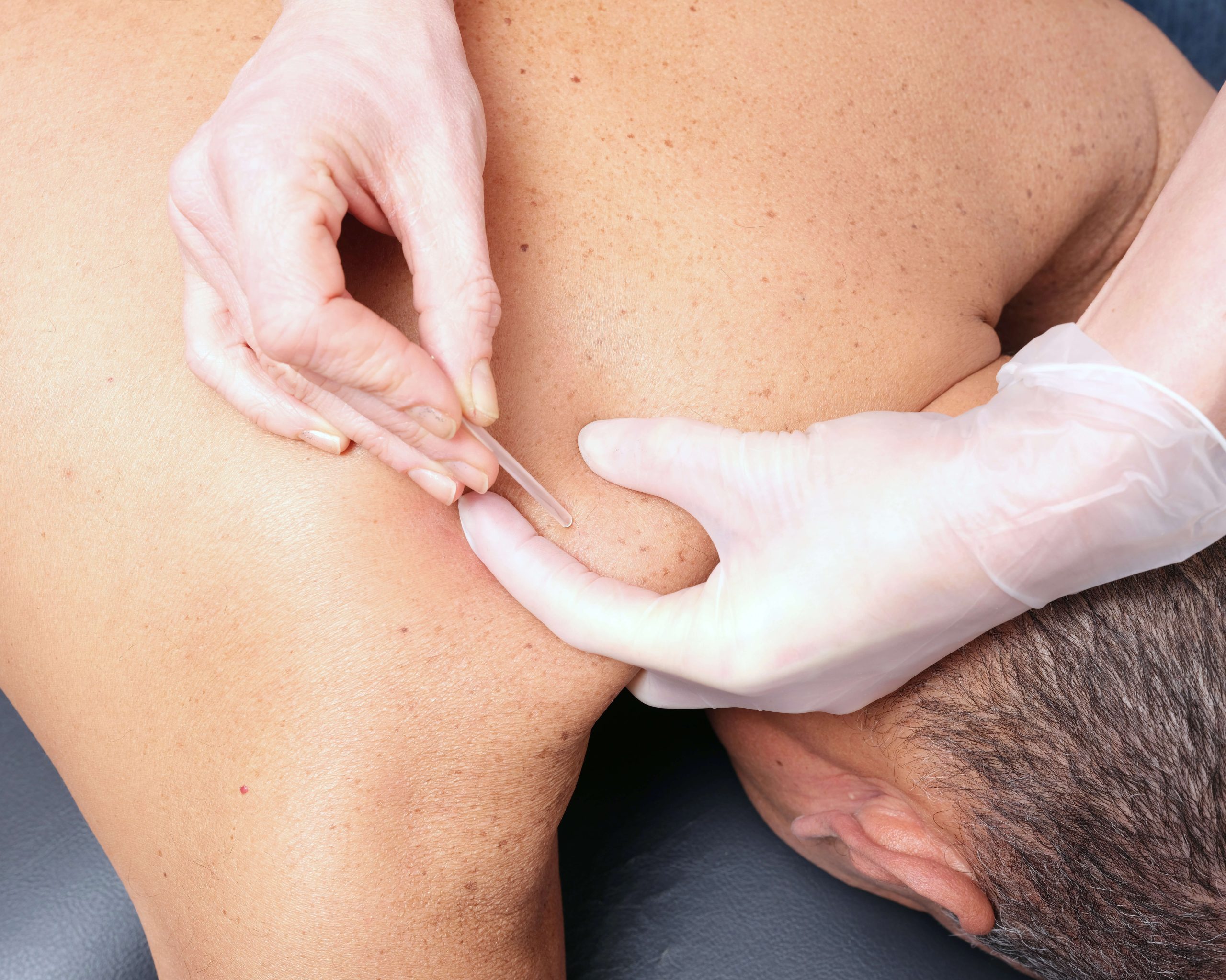
    Dry needling is a technique that can be used by health care professionals to treat muscle pain, inflammation, tightness and injury. It involves the use of thin, hollow needles that are inserted into the dermis. The points of insertion are usually around myofascial trigger point areas. The purpose of inserting dry needles into trigger point areas is to briefly stimulate the muscle and then cause the muscle to relax. This muscle contraction can help relieve pain and improve limited range of motion in the muscles.

    This technique is commonly used by physicians and other professionals. However, it can also be used by physical therapists. It’s worth noting, though, that not every state allows physical therapists to perform this technique on their patients. If you’re interested in receiving dry needling therapy from your physical therapy clinic, you should research the legislation in your specific state. 

    If you’re hoping to learn more about the pros and cons of dry needling before deciding to get this type of treatment done, keep reading below for more information.

    Does dry needling actually work?

    Yes, dry needling actually works! There is evidence to support the idea that dry needling can provide short-term benefits in functionality. It’s also been found that pairing dry needling with rehabilitative exercises and movements can improve the efficacy of treatment.

    What are some of the pros of dry needling?

    • Can reduce the need for pain medication — One of the pros of dry needling is that it can gradually reduce the need to use pain medication. It’s known for its pain-relieving benefits, which can ultimately minimize the need to take medication to reduce pain.
    • Can improve range of motion — This type of treatment has been known to improve range of motion in areas of the body where range of motion was previously limited due to muscle tightness, pain and inflammation.
    • Can reduce inflammation — Another pro of dry needling is that it can help reduce inflammation in certain areas of the body.
    • Can release muscle tension — Dry needling is especially effective at releasing muscle tension. The needles inserted into the muscles cause them to tighten suddenly and then relax. 
    • Can help with headaches and migraines — Another pro associated with dry needling is the potential for reducing headaches and migraines, especially those caused by tension. Since dry needling can reduce muscle tension, it can also help lower instances of tension-related headaches as a result.
    • Can encourage tissue healing — It’s possible for dry needling to help heal tissue after an injury by promoting blood flow. The small needles cause microtrauma to an area, which then increases circulation and can promote tissue healing. 

    What are some of the cons of dry needling?

    • May experience bruising — One of the potential effects of dry needling that can be considered a con is bruising. This effect isn’t all that common but is more likely to occur in patients who are taking blood-thinning medications.
    • May experience muscle soreness — Another potential con of dry needling is muscle soreness. Patients may leave a session feeling sore for the next few days.
    • May experience discomfort during a session — It’s also possible for patients to experience discomfort during their sessions due to the dry needles being inserted through the skin.

    How long do the benefits last?

    It can be hard to say for sure how long the pros of dry needling last. Dry needling usually works best for patients who regularly undergo sessions. The benefits may be felt as immediately as the first session; however, they may last longer if incorporated into a regular treatment program. The amount of time that the pros of dry needling may last also depends on several other factors including age and the severity of an injury or condition.

    Rehab Access Physical Therapy can help you learn more about the pros and cons of dry needling

    Our team at Rehab Access Physical Therapy are committed to furthering the wellness of our patients. We strive to provide up-to-date, evidence-based treatment plans that are developed only after actively listening to the concerns of our patients. 

    The goal of our team is to give patients the best possible treatment so that they can see the results they desire. To do this, we try to get to know our patients and their unique goals, then create personalized physical therapy treatment plans to move them closer to achieving those goals. If you’re interested in receiving dry needling treatment from one of our PT clinic locations, don’t hesitate to reach out to us with any questions. 

    Contact our team today for more information or to schedule an initial appointment.

  • Everything you should know before signing up for dry needling near you

    Everything you should know before signing up for dry needling near you

    What exactly is dry needling? Dry needling is a technique that physical therapists use to help reduce pain in muscles that are stiff and sore. The therapist inserts a thin, stainless steel sterile needle directly into the sore muscle. The needle stimulates the muscle and encourages it to spasm, which helps to reduce tension and increase blood flow to the area. Dry needling is performed without the use of any medications; the needle alone is effective enough to produce the desired effect.

    Many people confuse dry needling therapy with acupuncture. While the two share some similarities, they are not used to treat the same issues, and they require different training. While acupuncture specialists use needles to promote energy flow throughout the body, dry needling is used by licensed physical therapists to treat pain. 

    What can dry needling help to treat?

    Dry needling therapy is used by physical therapists to treat a number of issues that cause pain, tension and lack of mobility. Patients typically experience increased mobility immediately after treatment. Pain relief in the treated area is usually felt within 24 hours, with long-lasting pain relief occurring after a few sessions of therapy. Dry needling can be used to treat:

    • Myofascial trigger points.
    • Shoulder impingement injuries.
    • Migraine headaches.
    • Temporomandibular pain.
    • Plantar fasciitis. 
    • Tennis elbow and other sports injuries.

    Does dry needling therapy hurt?

    Using needles to treat pain might sound intimidating to many patients. But dry needling therapy doesn’t actually hurt at all. The pricking sensations caused by the needle are so small that many patients say that they don’t notice them. 

    However, patients may experience some muscle soreness in the treated area after therapy. This is caused by the spasms that dry needling therapy produces. While these spasms may make your muscles feel sore for a little while, the muscles will no longer be tight and painful. Once the soreness from dry needling goes away, your muscle pain could be a distant memory.

    Where can I turn for dry needling therapy near me?

    Rehab Access Physical Therapy offers dry needling at both our Belle Chasse and Gretna, Louisiana, clinics. Rehab Access offers the highest quality of physical therapy services in the southern New Orleans area. Our team of experienced specialists can get you started with a free screening to determine the source of your pain. This will help us determine the best methods of treatment for your individual needs.

    Contact our team today for more information or to schedule an initial appointment.

  • What are some benefits of trying dry needling near me?

    What are some benefits of trying dry needling near me?

    Dry needling is a form of physical therapy that is often misunderstood. It is a technique that licensed physical therapists use to help patients who are suffering from painful and stiff muscles. The therapist inserts a sterile, stainless steel needle directly into the muscle, which stimulates movement and circulation. This helps to not only reduce pain, but also increase circulation and relax muscles that are tight and stiff.

    Many people confuse dry needling with another practice known as acupuncture. While the two have some similarities, they are not used for the same purpose and are not practiced by the same specialists. Acupuncture specialists rely on needling to promote balance in the body, while physical therapists use dry needling to promote pain relief.

    Does dry needling hurt?

    Dry needling is intended to reduce the pain that comes from sore muscles, pressure points and other muscular conditions. While some patients might be put off by the idea of inserting a needle into their skin, the process of dry needling does not cause much pain with the majority of patients.

    Some patients may feel soreness in their muscles after dry needling. But the act of inserting the needle should not hurt at all. Most patients report that the brief soreness they feel after dry needling therapy is a great improvement from the pain they felt 

    What conditions can be treated with dry needling?

    Your physical therapist can use dry needling to help treat a wide array of muscular conditions. Dry needling helps relieve the pain from these conditions by causing the muscles to spasm. These spasms are what helps stiff muscles to loosen and blood flow to increase to the affected area. This helps relieve pain and restore your muscle’s flexibility. Some of the conditions that dry needling can treat include:

    • Pressure points.
    • Shoulder impingements.
    • Tendinitis.
    • Plantar fasciitis. 
    • Headaches and migraines.
    • Tennis elbow.

    Where can I turn for dry needling therapy near me?

    If you are suffering from shoulder pain, arm and elbow pain, or back pain due to stiff muscles, turn to the experts at Advent Physical Therapy for help. Our team has years of experience in treating painful conditions using dry needling and other trusted physical therapy methods, including:

    • McKenzie Method®.
    • Therapeutic exercise.
    • Posture and gait training.

    Contact our team today for more information or to schedule an initial appointment.

  • Why is my physical therapist talking about using dry needling for my sciatica?

    Why is my physical therapist talking about using dry needling for my sciatica?

    Many people are wary of anything that involves needles, so they may not be keen when their physical therapist wants to use dry needling for their sciatica. 

    Sciatica affects up to 40% of people in their lifetime. Physical therapy can be a potent treatment option for this painful nerve condition. You have probably heard about physical therapists using stretches and other therapeutic exercises to address this condition. But you may not have heard how useful dry needling can be for sciatica. 

    Three reasons dry needling can be helpful for sciatica

    Dry needling is a physical therapy technique designed to address knots in muscles and fascia. These knots are typically called myofascial trigger points (MTPs) by medical pros. Sciatica typically occurs when the sciatic nerve is pinched or irritated, and the root cause of this condition can be muscle tension from MTPs. Some reasons that your physical therapist may want to use dry needling for MTPs that are aggravating the sciatic nerves include: 

    1. It doesn’t use the needles you’re expecting — The needles used for dry needling aren’t like those used on syringes or other needles medical professionals have used on you. They’re super thin. “How thin,” you ask? They’re about the same thickness as a monofilament fishing line. This means that they tend to cause little discomfort when they’re inserted. 
    1. It can help ease muscle tension — Think about a time when you had a knot in one of your muscles. It probably felt tense and sore. It may also have felt less so when you moved it either by stretching or massaging the area. Dry needling allows physical therapists to target MTPs that aren’t close to the skin’s surface. Placing the thin needle in the MTP prompts a movement called a twitch response from your body. This movement helps break up the MTP and the tension it’s storing, which can help ease the pressure on the sciatic nerve. 
    1. Your sciatica pain can be eased — Easing tension from MTPs is one reason dry needling is useful for reducing sciatica pain. However, this technique can also improve blood flow to the painful area. How can this help your pain? Your body’s natural painkillers, called endorphins, travel in your bloodstream. Improved blood flow allows more endorphins to get to the painful area; thus, you may feel less pain. 

    Find a place to get dry needling for your sciatica at Peak Performance

    Want to find out if dry needling could be helpful for your sciatica? Our Peak Performance Sports & Physical Therapy team can help you find out. Our team includes dry needling experts who can examine you and determine if this technique is right for you. Our physical therapists can also combine dry needling with other physical therapy methods to yield a treatment plan that can: 

    • Reduce your pain. 
    • Improve your lower body flexibility and function. 
    • Decrease your chances of future sciatica. 

    Contact us today for more information about our sciatica treatment options or to schedule an initial appointment. 

  • Three common golf injuries treatable in Saint Charles, MO

    Three common golf injuries treatable in Saint Charles, MO

    Golf isn’t a sport that many people think of when it comes to sports injuries. Although there isn’t injury-causing body contact like in football or rugby, golfers have their fair share of injuries. If you’re an injured golfer in Saint Charles, Missouri, you may be happy to know that there are physical therapists nearby, and these professionals can help you treat three common golf injuries. 

    1.   Golfer’s elbow

    Golfer’s elbow is a condition that’s similar to the more well-known tennis elbow, but this condition causes you to have pain and irritation of the inner elbow and forearm rather than the outer. Also called medial epicondylitis, this common golf injury can cause pain when you’re making a fist or twisting your forearm, and it can also lead to forearm swelling. Golfers aren’t the only people who can get golfer’s elbow; people who perform repetitive motions like shoveling, painting, throwing or weightlifting should also watch out for symptoms of this injury. 

    2.   Back injury

    It’s not surprising that golfers can also get several types of back injuries since there are frequent bending and twisting motions necessary to play golf. Golfers typically have to bend over from the waist to hit the golf ball, and they may be doing this movement hundreds of times during the five or six hours one round takes. This bending places a lot of pressure on the lower back, and the increased pressure can lead to strained back muscles and herniated discs. The same injuries can also result from the twisting motion your back does during your golf swing.

    3.   Shoulder injury

    Shoulder injuries are another type of common golf injury, and they’re usually caused by the repetitive movements golfers make during their swing. Also, accidentally striking roots, rocks or other hard objects while swinging your club can lead to a strained shoulder muscle. Poor posture during your swing can also put extra stress on your shoulders, and this could result in an injury to your rotator cuff. 

    Swing over to Excel Sports & Physical Therapy for help with common golf injuries

    If you’ve injured yourself playing golf, there’s a physical therapy team in Saint Charles that can help you with your injury recovery. This team can be found at Excel Sports & Physical Therapy. Our team will work one-on-one with you to determine what injury you have and what its root cause is. Then, we’ll build you a personalized physical therapy plan, and this plan can make use of many physical therapy techniques, such as: 

    Are you ready to start treating your golf injury? Contact our team today for more information or to schedule an appointment. 

  • Effective rotator cuff injury treatment in Saint Peters, MO

    Effective rotator cuff injury treatment in Saint Peters, MO

    Are you feeling a shooting pain when reaching over your head for something? This may be a sign that you have a rotator cuff injury, and this isn’t an injury you should ignore. However, some people in Saint Peters, Missouri, may also be looking for treatment options that are both natural and effective. If you’re one of these people, physical therapy is an option you should consider, and there are three tips on how to treat a rotator cuff injury you’ll hear from therapists here in town. 

    1.   Take the time to rest your shoulder

    Some people are so eager to begin the healing process that they forget one of the most important parts of it: rest. However, this is an important tip when it comes to treating a rotator cuff injury. 

    Resting the shoulder allows your body to begin its natural healing processes, and the period of rest should continue until your pain lessens. This could take a few days or up to a week depending on the severity of your injury, and you may want to consult your doctor if you aren’t sure it’s time to begin therapy. 

    During the rest period, you should avoid reaching over your head or lifting objects with the affected arm. While this may make things awkward for a few days, it can also give you a solid foundation to begin your physical therapy. 

    2.   Talk to your physical therapist about joint mobilization

    The rotator cuff is an important part of what helps your shoulder joint move, so treating a rotator cuff injury typically involves therapies that focus on this joint. Joint mobilization is a type of manual therapy that can be used to help your rotator cuff heal. Therapists will use their hands to slowly move your shoulder through various movements during this treatment, and its goals are to reduce restriction and pain in the joint. 

    3.   Use soft tissue mobilization to reduce tension

    When treating a rotator cuff injury, tension is an area your therapist should address. Naturally, you’ll feel that you should move your shoulder and arm as little as possible. This is helpful during the resting phase of your recovery, but it can lead to increased tension in the soft tissue of your shoulder. With soft tissue mobilization, a physical therapist uses specific movements to reduce tension in shoulder soft tissue. This may benefit your recovery by decreasing tension, improving the shoulder’s ability to move, and reducing pain. 

    Find out about the natural rotator cuff treatment options at Excel Sports & Physical Therapy

    Excel Sports & Physical Therapy has a clinic in Saint Peters, and we’re proud to offer natural and effective physical therapy to this community. We can help you figure out how to treat your rotator cuff injury and many other common issues. Our treatment plans are personalized to your needs, and they’re based on firsthand information from a one-on-one screening. Your personalized plan can include therapy techniques like:

    Take the next step to reduce your pain and heal your shoulder. Contact our team today for more information or to schedule an appointment. 

  • Natural fibromyalgia treatments found in Ellisville, MO

    Natural fibromyalgia treatments found in Ellisville, MO

    Fibromyalgia is a condition that causes chronic pain in the body. In many cases, this condition is treated using a variety of prescription medications, but some patients in Ellisville, Missouri, may be looking for natural fibromyalgia treatments instead. If you’re looking for natural forms of treatment for this chronic pain condition, there are several options available from physical therapists in the Ellisville area. 

    Manual therapy

    One natural fibromyalgia treatment a physical therapist in Ellisville can offer is manual therapy. This type of therapy is actually the name of a category of options. It contains several options that can benefit fibromyalgia patients. For example, joint mobilization is a manual therapy that’s designed to improve the movement of joints. Joints that move better tend to be less painful. 

    Soft tissue mobilization is another option from the manual therapy category that can help people with fibromyalgia. Therapists use their hands to manipulate muscles, tendons and ligaments during this treatment. The movements are intended to help relieve muscle tension. Soft tissue mobilization can also be used to break up scar tissue that’s making it difficult for you to move. By accomplishing both of these actions, this natural therapy can help reduce pain for fibromyalgia patients.

    Low-impact cardio

    When you’re dealing with fibromyalgia pain, your tendency may be to move as little as possible. However, this is exactly the wrong move because not moving can actually increase stiffness and pain. Moving around doesn’t have to be a high-impact-only affair. Most fibromyalgia patients benefit from doing some low-impact cardio. It’s also easy to include in your physical therapy sessions. For example, you may walk on a treadmill for just a few minutes, but even this gentle exercise can help increase blood flow and decrease stiffness. 

    Find other natural fibromyalgia treatments at Excel Sports & Physical Therapy

    At Excel Sports & Physical Therapy, we’re experienced with the issues fibromyalgia patients face. That’s why we’re so eager to help you with our fibromyalgia treatment plans, and our plans are designed to include the most effective natural treatment options, such as: 

    Are you ready to start treating your pain naturally? Contact our team today for more information or to schedule an appointment. 

When Was Your Appointment?

We recently changed bill pay providers. Please click the button for the date of your appointment to be directed to the correct online payment portal.