Please ensure Javascript is enabled for purposes of website accessibility

Category: Trigger Point Therapy

  • Two issues that women’s physical therapy in O’Fallon, MO, can treat

    Two issues that women’s physical therapy in O’Fallon, MO, can treat

    There are many injuries and medical conditions that are likely to affect both men and women. However, there are certain issues that are more likely to occur in women, and women’s physical therapy is specifically designed to tackle such issues. Here are two issues that this type of physical therapy can treat: 

    1.   Pelvic floor dysfunction

    The pelvic floor is a group of muscles that have several important jobs. For one thing, these muscles provide support for organs in the pelvis, and some of these organs are the bowel, bladder and vagina. The pelvic floor muscles are also responsible for controlling the flow of waste from the bowel and bladder. 

    Pelvic floor dysfunction is a condition that affects the pelvic floor muscles, and women are likely to develop this condition. In fact, one article reports that about 40% of women who are in their 40s have pelvic floor dysfunction. This condition can be caused by injuries to the pelvis, which can come from car accidents or playing sports. Childbirth issues and certain surgeries can also lead to pelvic floor dysfunction. 

    2.   Incontinence

    Another issue that women’s physical therapy can help treat is incontinence. Incontinence is when someone has difficulty controlling their bladder, and the Office on Women’s Health (OWH) reports that women are two times more likely to develop this condition. There are also a number of issues that affect women that can lead to incontinence. 

    For instance, women are more likely to get urinary tract infections, and these infections cause bladder irritation that can cause incontinence. The hormone changes of pregnancy can also lead to this issue, and the weight of the developing baby can press down on the bladder and lead to incontinence as well. Also, menopause can increase a woman’s risk of developing incontinence. This is because menopause leads to a drop in estrogen, and this hormone helps keep the bladder and urethral linings healthy. 

    Excel Sports & Physical Therapy in O’Fallon, MO, offers women’s physical therapy

    If you’re dealing with these or other issues, Excel Sports & Physical Therapy has a clinic in O’Fallon that can help you. Our team is specially trained in women’s physical therapy, and we can diagnose many injuries and medical conditions with our free screening process. Once we know what issue you’re dealing with, we’ll build a personalized therapy plan for you, and this plan may make use of therapy techniques like: 

    Contact our team today for more information or to schedule an initial women’s physical therapy appointment. 
  • Effective TMJ physical therapy: Trigger point therapy

    Effective TMJ physical therapy: Trigger point therapy

    To most people, the joints on each side of the jaw are simply the jaw joints. However, to physical therapists and other medical professionals, these joints are the temporomandibular joints (TMJs). People who are dealing with pain and other symptoms in their TMJ often seek help from physical therapists. There are several therapy techniques that can help with TMJ issues; trigger point therapy is commonly used in TMJ physical therapy because it’s very effective. 

    What is a trigger point?

    TMJ physical therapy often has to deal with muscle problems that can be the root of jaw joint issues. One example of such a problem is a trigger point in the jaw or neck muscles. When an area of tension builds up in the muscle, it’s called a trigger point. This area can be harder than the tissue around it, and it’s often tender to the touch. The tension built up in trigger points can make it harder for the jaw muscles to move normally, and this can pull the joint out of alignment or cause other problems that lead to TMJ pain. 

    What causes trigger points?

    Trigger points can be caused by several factors, and many of them can be addressed with TMJ physical therapy. For one thing, mental stress can cause you to clench your jaw muscles. This clenching is often done without conscious thought, but over time, it can cause trigger points to develop. Bacterial infections and other illnesses can also lead to these areas of tension. Also, injuries to the jaw or neck muscles can cause a trigger point to form. 

    How does trigger point therapy work?

    The goal of trigger point therapy is to relieve the tension stored up in a trigger point, and this is the reason it’s often used in TMJ physical therapy. Trigger points could be causing a muscle to stiffen and pull on the affected TMJ, which can cause pain and other symptoms. 

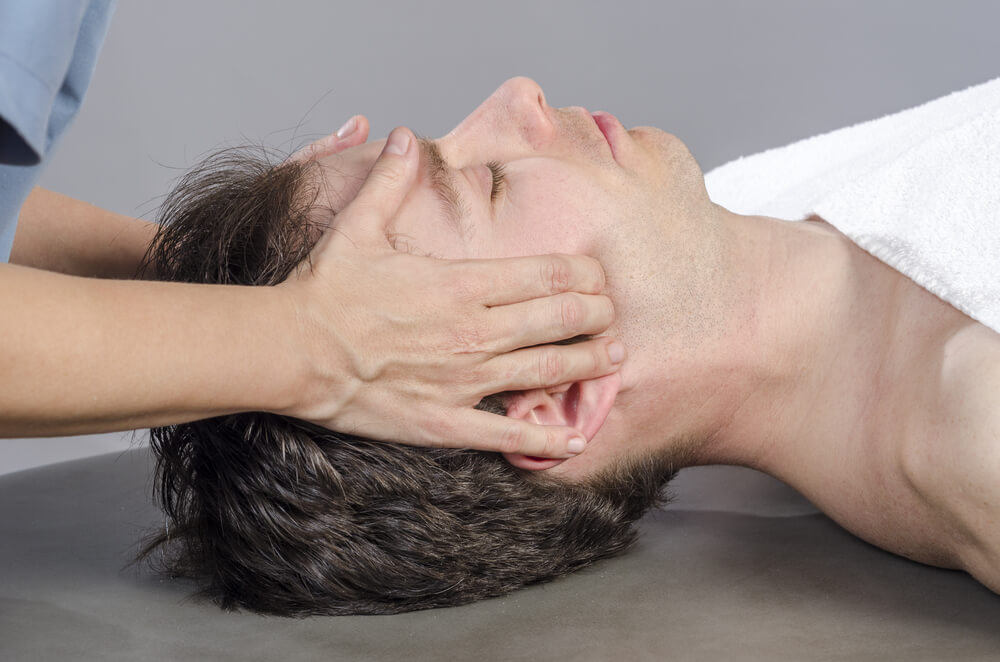
    Trigger point therapy involves hands-on movements designed to break up a tense area of muscle. For example, the therapist will place pressure on the trigger point, and they will then perform massage-like hand movements to release the pent-up tension in the trigger point. By releasing this tension, the therapist can help restore normal muscle movement, and this can also help realign the TMJ. In turn, the reduced tension and realignment can help decrease the pain and other symptoms you’ve been dealing with. 

    Excel Sports & Physical Therapy offers high-quality TMJ physical therapy

    If you’re searching for TMJ physical therapy, Excel Sports & Physical Therapy can help. We offer free screening that can help you learn the root cause of your pain, and our team can also build you a personalized treatment plan for your TMJ issues. Trigger point therapy is one therapy method that can be included in this plan, but it may also use other techniques such as: 

    Take the next step to get our help with your pain. Contact our team today for more information or to schedule an initial appointment. 

  • Three treatments for frozen shoulder pain down the arm

    Three treatments for frozen shoulder pain down the arm

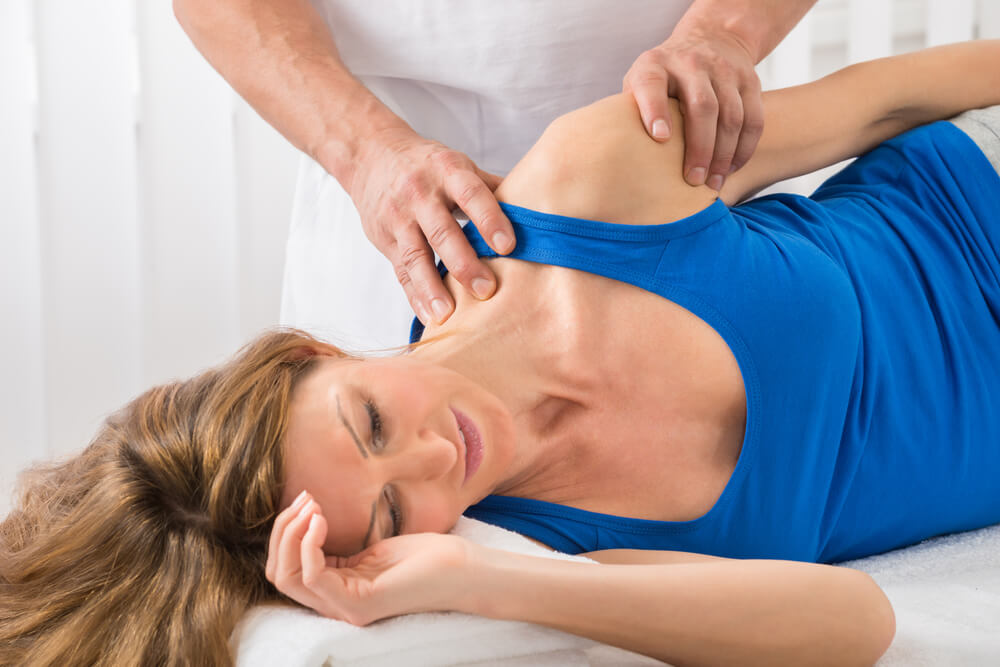
    Adhesive capsulitis is a condition that gradually causes decreased range of motion in the shoulder. Also called frozen shoulder, this condition can also lead to a high level of pain, and the pain can even be felt down your arm at times. Physical therapists have several techniques that can help with the pain of this condition. Here are three methods physical therapists can use to treat frozen shoulder pain down the arm: 

    1.   Joint mobilization

    Have you ever noticed that moving a joint makes it less stiff and painful? Well, this is the reason that physical therapists use joint mobilization to treat frozen shoulder pain that runs down the arm. 

    Joint mobilization is a type of manual therapy that involves the therapist using their hands to move your shoulder. These movements are designed to mimic ones that are within the shoulder’s normal range of motion. The therapist uses their hands to perform the movements because they may be ones you aren’t able to do on your own. By mobilizing the shoulder joint, therapists can help reduce shoulder stiffness and pain. 

    2.   Kinesiotherapy

    Kinesiotherapy uses specially designed tape to benefit patients with many injuries and medical conditions. One issue it can help treat is frozen shoulder pain that’s running down your arm. 

    The tape used for kinesiotherapy is designed to gently lift the skin away from the upper arm and shoulder. This allows it to increase the blood flow to your affected shoulder, and the increased blood flow can be helpful in several ways. For instance, more blood flow means that more nutrients and oxygen can get to the affected joint and the muscles that support it. Also, endorphins have a better chance of getting to the painful shoulder when there is more blood flow. This is helpful because endorphins are the body’s natural pain relievers.

    3.   Trigger point therapy

    Another reason you may be feeling pain down the arm when you have frozen shoulder is trigger points. Trigger points may not be something you’ve heard of, but the odds are good that you know what one feels like. Trigger points tend to feel like knots of tension in the muscles. In many cases, they feel harder than the tissue around them, and they may also be tender to the touch. 

    Trigger points can develop in your arm muscles when you have frozen shoulder. The reason this can happen is this condition restricts how much you’re moving the arm muscles. Also, the pain of frozen shoulder could be causing you to tense your muscles to hold the shoulder still. Together, these can lead to trigger points in your arm muscles, which can make it feel like frozen shoulder pain is spreading down your arm. Using specific pressing and massaging movements, therapists can break down trigger points, and these movements are called trigger point therapy. 

    Find help with frozen shoulder at Excel Sports & Physical Therapy

    Do you feel like the pain of frozen shoulder is moving down your arm? Are you unable to do even basic daily tasks because your shoulder is so stiff? Excel Sports & Physical Therapy can help. Our team offers free screenings that can identify which frozen shoulder symptoms you’re experiencing. This information can then be used to build a personalized treatment plan for you, and your plan will be designed to provide benefits like: 

  • Three shoulder injuries common in tennis players

    Three shoulder injuries common in tennis players

    Tennis is a lot of fun to play, and it can be a fantastic way for adults to stay active in Ellisville, Missouri. However, it also requires repetitive shoulder movements. This is a problem because these movements can lead to several types of shoulder injuries. There are three tennis-related shoulder injuries that avid players may develop. 

    1.   Shoulder impingement

    The rotator cuff is a group of four muscles and tendons in your shoulder. It helps keep your upper arm bone firmly seated in the shoulder socket when the arm moves. The repetitive arm movements of tennis can lead to a shoulder injury called shoulder impingement. This occurs when the rotator cuff muscles get pinched by the end of the collar bone. Shoulder impingement can lead to pain in the shoulder, but it can also make it harder to do overhead movements like serving. 

    2.   Rotator cuff tendinitis

    Tennis-related arm movements can also lead to a shoulder injury called rotator cuff tendinitis. This occurs when the rotator cuff tendons are overstressed, causing microscopic tears in the tendons. In turn, this can lead to swelling in the front of the shoulder, which may move into the side of the arm. Pain when raising and lowering your arm is another symptom of rotator cuff tendinitis, and you may also hear a clicking noise during arm movements if you have this condition. 

    3.   Shoulder bursitis

    Shoulder bursitis is another of the shoulder injuries tennis can lead to. Bursitis is an inflammation of the cushioning bursa in a joint, and this inflammation can be caused by repetitive tennis movements. In the shoulder, there is a bursa located between the top of the upper arm bone and the clavicle. It’s job is to protect the tendons of the rotator cuff, but it can actually end up pinching them if you develop shoulder bursitis. The inflammation of bursitis can also lead to visible swelling of the shoulder and pain in the joint. 

    Ellisville, MO, residents with shoulder injuries can find help at Excel Sports and Physical Therapy

    If you have a shoulder injury from tennis, our Excel Sports & Physical Therapy clinic in Ellisville can help you. We offer one-on-one initial screenings that can help you determine what type of injury you have. Our team can also create a personalized treatment plan for you, and your plan can be designed to include techniques like: 

    Take the next step to reduce your pain and get back to the tennis court. Contact our team today for more information or to schedule an initial appointment.

When Was Your Appointment?

We recently changed bill pay providers. Please click the button for the date of your appointment to be directed to the correct online payment portal.