Please ensure Javascript is enabled for purposes of website accessibility

Category: Leg Pain

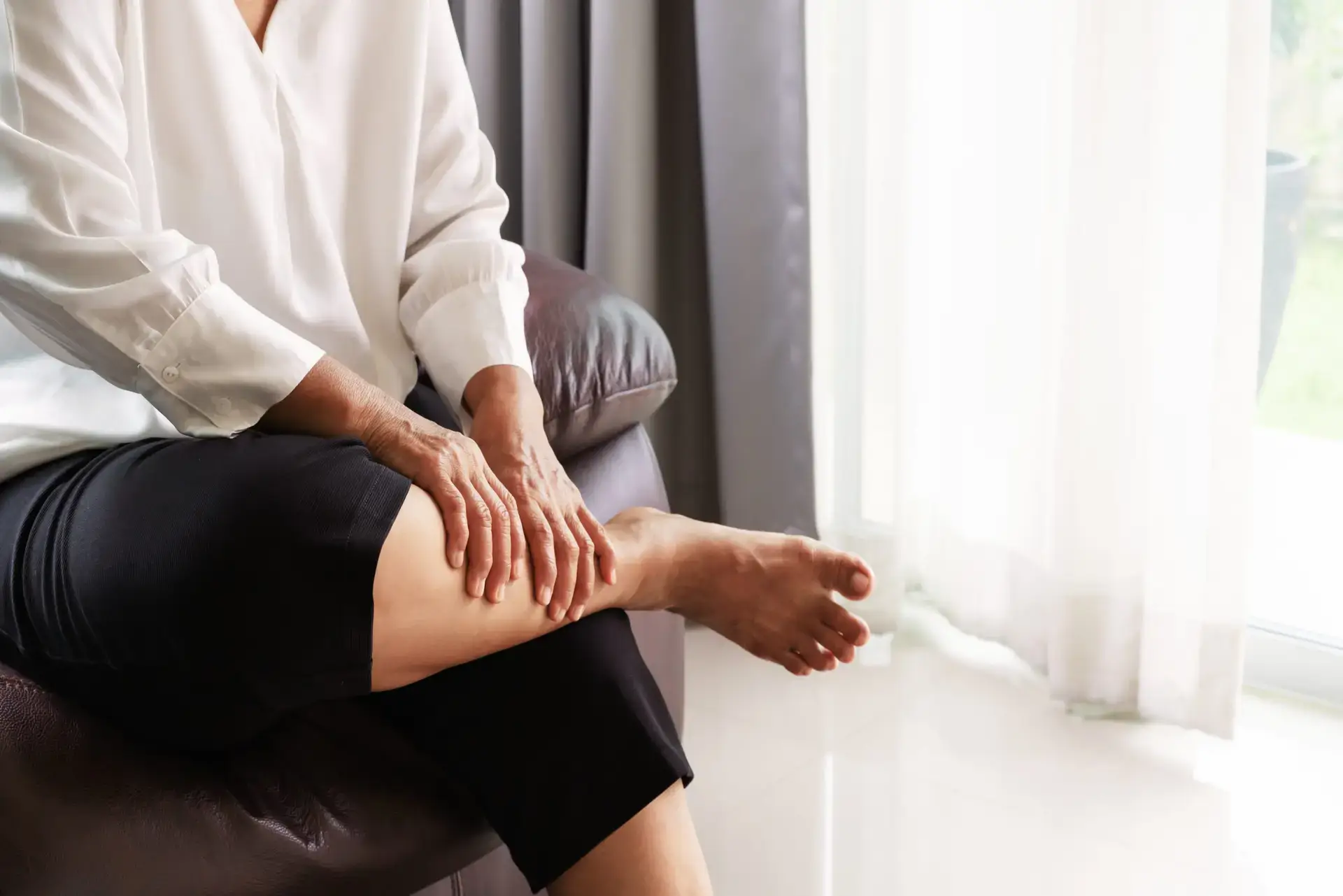
  • How to Help Leg Pain After Back Surgery

    How to Help Leg Pain After Back Surgery

    Back surgery recovery can feel like navigating uncharted territory. You’ve diligently followed your prescribed rehabilitation exercises and treatments, attending every appointment and doing everything your medical team recommended. But then something unexpected happens—your leg starts to hurt, leaving you wondering what went wrong.

    This experience is more common than you might think. Many patients successfully complete their initial recovery phase only to develop new symptoms weeks, months, or even years later. Understanding why leg pain after back surgery occurs and knowing your treatment options can help you regain control of your recovery journey.

    The good news is that post back surgery leg pain doesn’t have to become your new normal. With the right approach and professional guidance, you can address these symptoms and work toward lasting relief.

    What causes leg pain after back surgery?

    The primary types of leg pain after back surgery people might experience are nerve-related, highlighting the connection between spinal nerves and the lower limbs. Burning, loss of strength, tingling, numbness, and shooting pain are all possible symptoms of nerve issues.

    It’s important to remember that no internet research will be able to diagnose the symptoms with the accuracy that a medical professional can achieve with a personal evaluation and review of your surgical plan. However, understanding what you’re feeling and when can help your caregivers understand the problems clearly.

    Shortly after surgery

    Leg pain in the immediate post-operative period after back surgery is not uncommon. This recovery period brings unique challenges to each person that you may or may not have expected. The reasons you may have various symptoms, including leg pain, in the short-term can include the following:

    • Inflammation – As your body heals damaged tissues and adapts to the changes made during surgery, the resulting inflammatory response and nerve healing process can send pain and other signals to your brain that feel as if they are coming from your leg.
    • Swelling – Fluid accumulation throughout the surgical site can temporarily increase pressure on nearby nerves, creating radiating pain that travels down your leg.
    • Bed rest – From the moment you leave the operating room, you will likely begin a period of limited mobility that can also contribute to leg symptoms. Extended time in certain positions may affect circulation and nerve function, leading to temporary pain, numbness, or tingling in your lower extremities.
    • Change in gait – Once you’re back on your feet, it’s not unlikely that your walking pattern and movement habits will change as you adapt to protect the healing part of your body. These compensatory movements can place unusual stress on your legs, hips, and feet, creating secondary pain points that develop alongside your primary recovery.

    Foot and ankle pain after back surgery can also occur during the early phase of recovery as your body adjusts to new movement patterns and weight distribution. Your feet and ankles work overtime to maintain balance and stability when your core and back muscles are temporarily weakened from surgery.

    Months or years after surgery

    Long-term leg pain presents a different set of considerations. When symptoms develop months or years after your initial surgery, the causes often relate to ongoing changes in your spine’s structure and function, as well as adaptations your body has made over time.

    • Spine health – Changes to your spinal alignment after surgery can create new nerve compression problems. Even if the surgery successfully addresses the treated area, neighboring segments may experience increased stress over time, potentially leading to new symptoms that radiate into your legs.
    • New posture stress – Gradual changes in posture and movement patterns can accumulate over months or years, eventually creating pain patterns that weren’t present immediately after surgery. Your body constantly adapts to maintain function, but these adaptations sometimes come at a cost.
    • Muscle weakness – When you spend days or weeks in bed, many muscles you may not be aware of can weaken. These weakened muscles may not have fully recovered their strength and coordination they had prior to your surgery. When certain muscle groups remain weak or imbalanced, other structures must work harder to compensate, potentially leading to overuse injuries and pain in your legs and feet.

    Lifestyle factors also play a role in long-term outcomes. Changes in activity level, weight, or overall fitness can influence how your spine and legs function together, sometimes contributing to the development of new pain patterns.

    Treatment options after back surgery

    Addressing leg pain after back surgery effectively requires a comprehensive approach that considers your unique situation. The most effective treatment strategy depends on several factors, including how long ago you had surgery, what type of procedure was performed, your current symptoms, and your overall health condition.

    Conservative treatment methods for the pain you might be having after back surgery include:

    • OTC medication to reduce inflammation
    • Scar tissue treatments
    • Joint mobility therapy
    • Targeted strength training for muscle weakness
    • Biofeedback therapy

    Many of these conservative treatments can be administered by a Physical Therapist trained in post-surgical rehabilitation. Not every treatment option will be right for every person, which is why it’s important to see a Physical Therapist in-person to get the most personalized recommendations for your unique health condition.

    Physical therapy for post-surgical rehabilitation

    At your first appointment, your physical therapist will evaluate your movement patterns, strength, flexibility, and pain responses to identify the specific factors contributing to your leg pain. This detailed analysis helps guide treatment decisions and ensures that interventions target the root causes of your symptoms.

    Treatment options vary from patient to patient, but may include some of the following PT techniques:

    • Joint manipulation
    • Manual therapy
    • Therapeutic exercise
    • Personalized stretching routines
    • Nerve mobilization/gliding
    • Ergonomic assessment
    • Running/walking gait assessment
    • Education on spine health and injury prevention

    Spine care and leg pain treatment at Carolina Strong

    No matter when you had surgery or what specific challenges you’re facing, the physical therapists at Carolina Strong are here to help. Our team understands the unique challenges that come with post-surgical recovery and specializes in developing personalized treatment plans that address the complex relationship between back surgery and leg pain.

    Learn more about what you might be able to expect by calling one of our clinics or by requesting your first appointment online today.

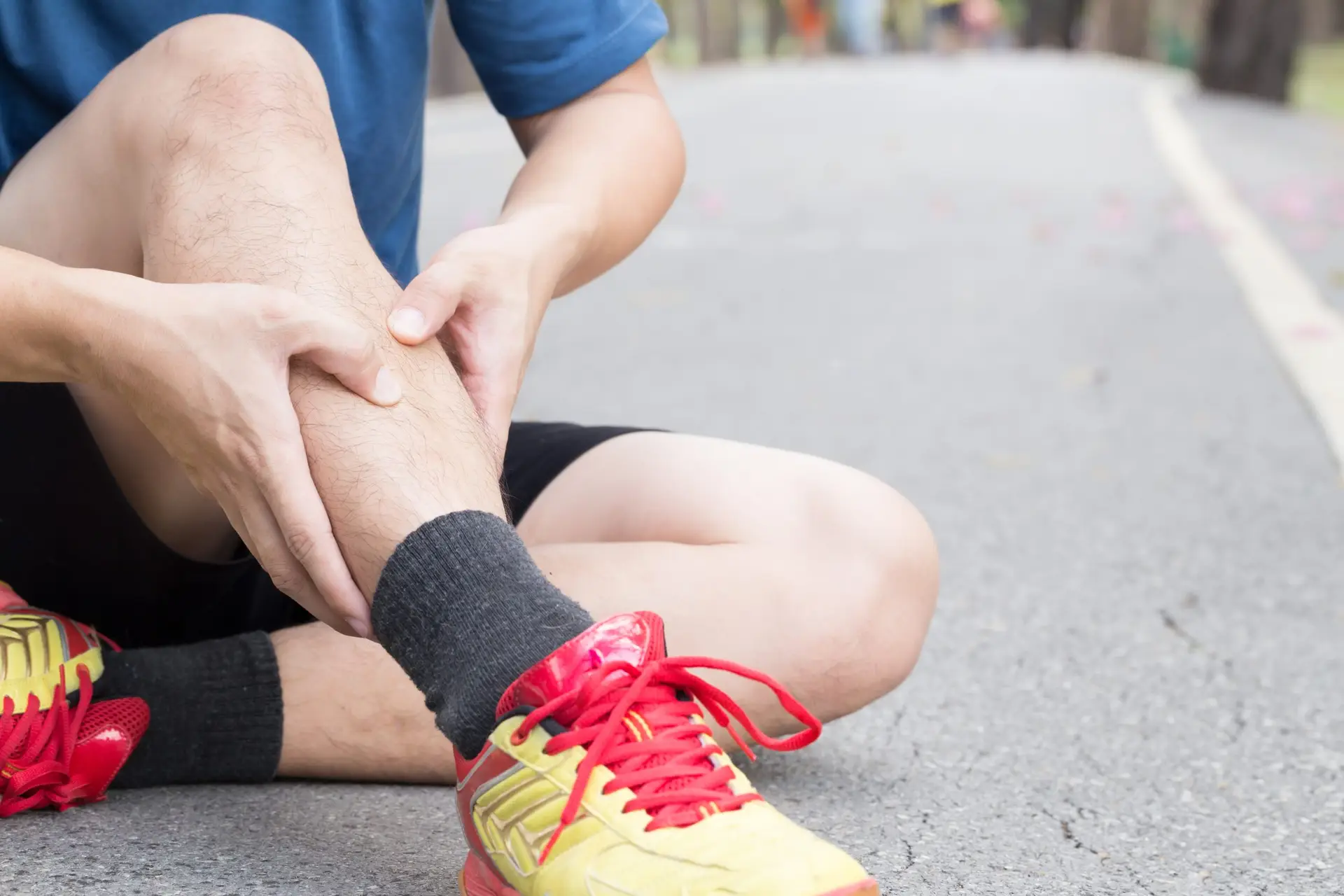
  • How to Get Rid of Leg Pain After Walking Too Much

    How to Get Rid of Leg Pain After Walking Too Much

    Walking is one of the simplest and most effective ways to stay active, improve your cardiovascular health, and enjoy the outdoors. But what happens when walking, instead of being energizing, leaves you dealing with discomfort or intense leg pain?

    While some soreness or fatigue after a long walk can be normal, persistent or severe leg pain shouldn’t be a regular part of your daily life. The good news? This pain doesn’t have to become your new normal. By understanding the causes and exploring remedies, you can address the issue without jumping to drastic measures like surgery.

    Causes of leg pain and soreness after walking

    Leg pain after walking can arise from a variety of reasons, including overuse, poor mechanics, or underlying health conditions. Here are a few of the most common causes to help you better understand what the issue might be.

    Sore muscles

    The most common cause of leg pain after walking is sore muscles, also known as delayed onset muscle soreness (DOMS). This happens when you push your body beyond its usual level of activity during a long or intense walk.

    Soreness arises when muscle fibers sustain small tears, which leads to discomfort, stiffness, and fatigue as the body heals this damage. This is especially common if you walk on hilly terrain or at an incline, which engages your leg muscles more intensely, even if it doesn’t feel like a hard walk in the moment.

    Claudication

    Claudication is a condition caused by poor blood flow to the legs, often as a side effect of peripheral artery disease (PAD). This type of pain usually feels like cramping or aching in the calves and tends to occur after walking a certain distance. The pain typically eases with rest but may come back with continued activity. Left untreated, claudication can progress and lead to chronic discomfort even when you’re not active.

    Pinched nerves

    Nerve pain in the legs, often stemming from conditions like sciatica, can be triggered by walking too much. A nerve in your back or leg may become compressed, causing sharp, radiating pain or numbness in one or both legs. This type of pain might worsen with repetitive motion, such as prolonged walking.

    Joint pain

    People with arthritis or other joint conditions may experience pain in their knees, hips, or ankles after walking. Walking puts a small but constant amount of stress on these joints, which can exacerbate inflammation and stiffness. Wearing unsupportive shoes or walking on hard surfaces like pavement may intensify this discomfort.

    Foot and tendon pain

    Walking a lot, especially on hard or uneven terrains, can put strain on the tendons in your feet and ankles. This can lead to overuse injuries or pain, particularly in the plantar fascia or Achilles tendon. If you’re noticing a sharp pain in your heels, arches, or ankles after a long walk, this might be the cause.

    How to get rid of leg pain

    Paying attention to your symptoms and avoiding obvious triggers like steep climbs or long-distance walking can help provide some relief for your leg pain. But when that’s not possible, or your symptoms don’t go away, you still have several options for how to find a solution that works for your lifestyle.

    Although there are many things you can try at home to relieve your post-walking leg pain, sometimes the best approach involves seeking professional guidance.

    Rest and recovery

    Sometimes, all your legs need is a chance to recover. Resting for a few hours immediately after a long or strenuous walk, in addition to reducing your activity level the following day or two can give your muscles time to heal and adapt to your activity level. Elevating your legs and applying a cold compress can also help reduce inflammation and soreness. (These are parts of the RICE method of recovery.)

    Warm up properly

    One of the easiest ways to prevent leg pain after walking is to start your activity with a proper warm-up. Light stretching or gentle movement for 5–10 minutes prepares your muscles for use, increasing blood flow and flexibility.

    Focus on the calves, hamstrings, and quadriceps to loosen up the areas most engaged in a walk.

    Build strength and flexibility

    Weak muscles or tight tendons can experience the most strain and stress during physical activity, leading to pain. Incorporating exercises that strengthen your leg muscles and improve your range of motion can help. Activities like yoga, resistance training, or targeted exercises like calf raises are great for building muscle and flexibility over time.

    Invest in supportive footwear

    Your shoes play a critical role in your walking experience. Properly fitted, supportive, and cushioned footwear can help reduce the strain on your joints, muscles, and tendons. Test shoes with arch support and shock absorption, and avoid wearing old or worn-out sneakers.

    Custom orthotics are another option if specific foot mechanics or conditions, like flat feet or high arches, are contributing to your pain.

    Seek professional guidance

    Working with a physical therapist can offer valuable insights into chronic leg pain after walking. If your own rest, stretching, and strengthening plan isn’t helping to ease your symptoms, a professional assessment could uncover underlying conditions such as tendonitis, plantar fasciitis, or arthritis. Early intervention and a customized treatment plan will help you get back to walking without pain.

    Find pain relief for any lifestyle at SOL PT

    Do you want to walk more but feel as if your legs are stubbornly against you? Our PTs can help.

    At SOL Physical Therapy, we understand how frustrating it can be to deal with ongoing leg pain, especially when walking becomes more of a challenge than a joy. Our physical therapists specialize in assessing and treating pain of all types so you can regain confidence and comfort in your everyday activities.

    Whether you’re dealing with sore muscles or complex joint issues, we’ll identify the root cause and create a personalized rehab plan just for you. Don’t settle for putting up with discomfort. Request an appointment online or call a nearby SOL clinic today to learn how we can help you get back to your routine and enjoy a pain-free, active lifestyle again.

  • How to Find Relief With Shin Splint Stretches

    How to Find Relief With Shin Splint Stretches

    Shin splints can be a frustrating and persistent obstacle for anyone who wants to be on their feet. Whether you’re a runner, a fitness guru, or just someone trying to stay active, shin splints can put a serious dent in your routine. The good news? With the right care and guidance, you can find relief and work toward preventing shin splints in the future.

    But shin splints have complex causes and therefore sometimes require nuanced solutions. Shin splint stretches might be able to help, but first we need to understand the whole picture of what’s causing the pain.

    What are shin splints?

    Shin splints are not a medical diagnosis. It’s a term people commonly use to describe pain located at the front of their lower legs. In some cases, it can be diagnosed as medial tibial stress syndrome, which occurs when excess strain is placed on the connective tissue that attaches muscles to your shin bone (tibia). This condition often results in inflammation and pain along the inner edge of your shin bone.

    Common causes of shin splints

    Shin splints typically develop due to overuse, improper movement, or excessive strain, especially during high-impact activities. These include:

    • Running or jogging, particularly on hard surfaces
    • Suddenly increasing workout intensity or duration
    • Wearing unsupportive or worn-out footwear
    • Poor technique during physical activity
    • Muscle imbalances or weakness in the calves or ankles

    While shin splints are common in runners, they also affect people who are active with hobbies like dancing, hiking, and other activities.

    Treating shin splints

    Unfortunately, there’s no instant cure for shin splints. Recovery time largely depends on the severity of the condition. A helpful rule of thumb to follow to prevent shin splints from getting worse or coming back quickly is to avoid resuming your normal activity level until you have been pain-free for a week or longer.

    However, targeted treatment can significantly improve your symptoms and speed up the healing process. One effective at-home method is the RICE protocol.

    RICE

    The RICE method is a tried-and-tested approach for managing pain and inflammation caused by shin splints. Here’s how it works:

    • Rest: Avoid activities that trigger pain or put stress on your shins. Allow your body ample time to heal.
    • Ice: Apply an ice pack to your shins for 15–20 minutes, several times a day, to reduce inflammation and numb pain receptors in the area.
    • Compression: Use a compression bandage to reduce swelling and promote blood flow.
    • Elevation: Keep your legs elevated above your heart when resting and sleeping (if possible) to minimize swelling.

    Shin splint stretches

    Stretching plays a critical role in easing the pain associated with shin splints. By improving flexibility and strengthening supporting muscles, you can reduce the strain on your shins and speed up recovery.

    • Standing calf stretch
      • Stand facing a wall, placing both hands on the wall at shoulder height.
      • Step back with one leg, keeping it straight and pressing your heel into the ground.
    • Seated toe stretch 
      • Sit on the floor with your legs extended.
      • Point your toes forward as far as possible, then pull them back toward your body.
    • Shin stretch against the wall
      • Sit with your knees bent and feet flat on the floor.
      • Slowly point your toes under and curl them, stretching the front of your shins.
    • Heel-toe walks
      • Walk across the room by raising one foot at a time, rolling from heel to toe.
      • Focus on controlled, deliberate movements.

    While these stretches can be helpful, be careful not to overdo it, as pushing too hard can aggravate your injury.

    Physical therapy

    If you repeatedly experience shin splints but want to keep your activity level the same, it might be time to talk to a physical therapist. Repeated bouts of shin splints could also indicate underlying issues such as poor biomechanics or muscle imbalances. A physical therapist can address these concerns to help prevent future injuries.

    At Back in Motion, our PTs can personalize a treatment plan to not only get relief from your symptoms but also help you prevent shin splints from returning.

    We may also be able to recommend additional solutions such as custom orthotics for people who have struggled to find the right running shoes for conditions like flat feet or even leg length discrepancy.

    How to prevent shin splints in the future

    Although shin splints can’t always be avoided, there are steps you can take to reduce your risk of developing them again once you’ve healed:

    1. Use dynamic warm-ups: Start every workout with movements like heel walks and toe walks. These dynamic warm-ups help prepare your shins and ankles for activity.
    2. Strengthen supporting muscles: Regularly perform exercises targeting your calves, ankles, and feet to support your overall biomechanics.
    3. Invest in proper footwear: Make sure your shoes provide adequate support and cushioning for your chosen activity. Replace them as soon as they show signs of wear.
    4. Avoid overtraining: Avoid sudden increases in workout intensity or duration. Incorporate rest and recovery days into your routine.
    5. Cross-train: Mix high-impact activities with low-impact options like swimming or cycling to give your shins a break.

    By building a strong foundation of flexibility, strength, and proper form, you can minimize the chances of shin pain interfering with your active lifestyle.

    Personalized advice from a physical therapist

    Shin splints shouldn’t sideline you from your normal routine on a regular basis. With the right warm-ups, recovery techniques, and preventive measures, you can alleviate pain and keep moving forward. And even when you struggle to find relief on your own, expert guidance can make all the difference.

    At Back in Motion Physical Therapy, we’re here to help you get back on your feet quickly and sustainably. Start a conversation about your concerns and symptoms by calling one of our clinics throughout Maine or by requesting an appointment online today.

  • How to Relieve Hamstring Pain

    How to Relieve Hamstring Pain

    Hamstring pain can be a real impairment, whether you’re a competitive athlete forced to sit on the sidelines or someone struggling to get through their daily routine. The sharp, aching pain in the back of your thigh can range from mildly inconvenient to absolutely debilitating, interrupting your lifestyle and keeping you from doing the things you love.

    If you’ve pulled a hamstring and can’t find a way to get back to normal, there may still be self-care options to try before starting to seek more professional treatment from a physical therapist.

    Causes of hamstring injuries

    The hamstrings are a group of three muscles located at the back of each thigh. They play a critical role in allowing you to walk, run, jump, and bend your knees. But due to their constant involvement in nearly every movement you make, they’re also one of the most commonly injured muscle groups.

    Athletic activities and sudden movements

    Sports that involve sudden stops, starts, and sprints are a leading cause of hamstring injuries. Think soccer, basketball, tennis, or track and field sports. Athletes often strain or tear their hamstrings while trying to accelerate quickly or change direction abruptly.

    Non-athletic causes

    While athletes are at higher risk, hamstring pain isn’t exclusive to high-exertion activities. Everyday activities or anatomical factors can also lead to issues. These include:

    • Hyperextending the muscles during daily tasks
    • Poor posture or muscle imbalances
    • Lack of flexibility, especially as we age
    • Previous injuries that were not fully rehabilitated
    • Poor ergonomics in the workplace or during exercise

    Whether caused by sports or day-to-day movements, understanding the root cause of your pain is the first step in finding relief.

    Symptoms of hamstring injuries

    If your first reaction to sudden thigh pain is to clutch the back of your leg, that’s a strong indicator of a hamstring issue. However, the symptoms can vary depending on the severity of the injury. Here’s what else to look out for:

    • Sharp pain or discomfort: Usually felt at the back of the thigh during movement or when trying to bear weight.
    • Bruising: Visible discoloration on the back of the leg, which often develops within a day or two of the injury.
    • Swelling: The injured area may feel tender, swollen, and warm to the touch.
    • Difficulty walking: Severe hamstring injuries may leave you unable to put weight on the affected leg without significant discomfort.
    • Muscle weakness: A sudden loss of strength in the affected leg.

    If you’re noticing any of these signs, it’s important to immediately stop activities and have a medical professional like an athletic trainer or physical therapist evaluate the injury promptly to prevent further damage.

    How to treat a pulled hamstring

    Hamstring injuries can take weeks or even months to heal, depending on their severity. However, proper care and treatment can speed up the recovery process compared to waiting for the injury to heal on its own.

    For low-grade injuries, at-home treatment following the RICE method can be a helpful first step, although to know for sure whether the injury isn’t more severe than you think it is, it’s always a good idea to see a physical therapist for an evaluation.

    RICE method

    The RICE method is a tried-and-true remedy for minor muscle injuries and can be an effective first step in managing hamstring pain.

    • Rest the injured leg to allow healing. Avoid weight-bearing activities or anything that worsens the pain.
    • Apply a cold ice pack for 15–20 minutes every few hours to reduce swelling.
    • Use compression bandages to stabilize the area and minimize swelling.
    • Keep the leg elevated above heart level when possible to reduce fluid build-up and improve circulation.

    Physical therapy and rehabilitation

    While the RICE method is a great starting point, long-term recovery often requires a more structured approach led by a professional.

    Physical therapy after any injury focuses on rebuilding strength, improving flexibility, and restoring full range of motion. A therapist will also tailor treatments to your unique needs, considering factors like age, activity level, and injury history.

    For hamstring injuries in particular, caution is needed with doing stretches and bearing weight because doing the wrong thing too soon in recovery can re-injure the area and set you back in your rehabilitation.

    Recover from hamstring injuries reliably with Therapydia

    At Therapydia, we specialize in helping you get back on your feet and staying injury-free for longer. Whether you’re looking to recover from a minor pull or a more serious hamstring injury, our musculoskeletal rehab experts are here to guide you through every step of the healing process.

    During your first appointment, we’ll assess your pain, discuss your goals, and create a personalized treatment plan designed to start healing your hamstring pain effectively. From cutting-edge therapies to tailored exercise programs, we provide all the tools you need for a full recovery.

    Learn more about our facilities, treatment process, and how we can help you heal quickly calling a Therapydia clinic near you or by requesting your first appointment online today.
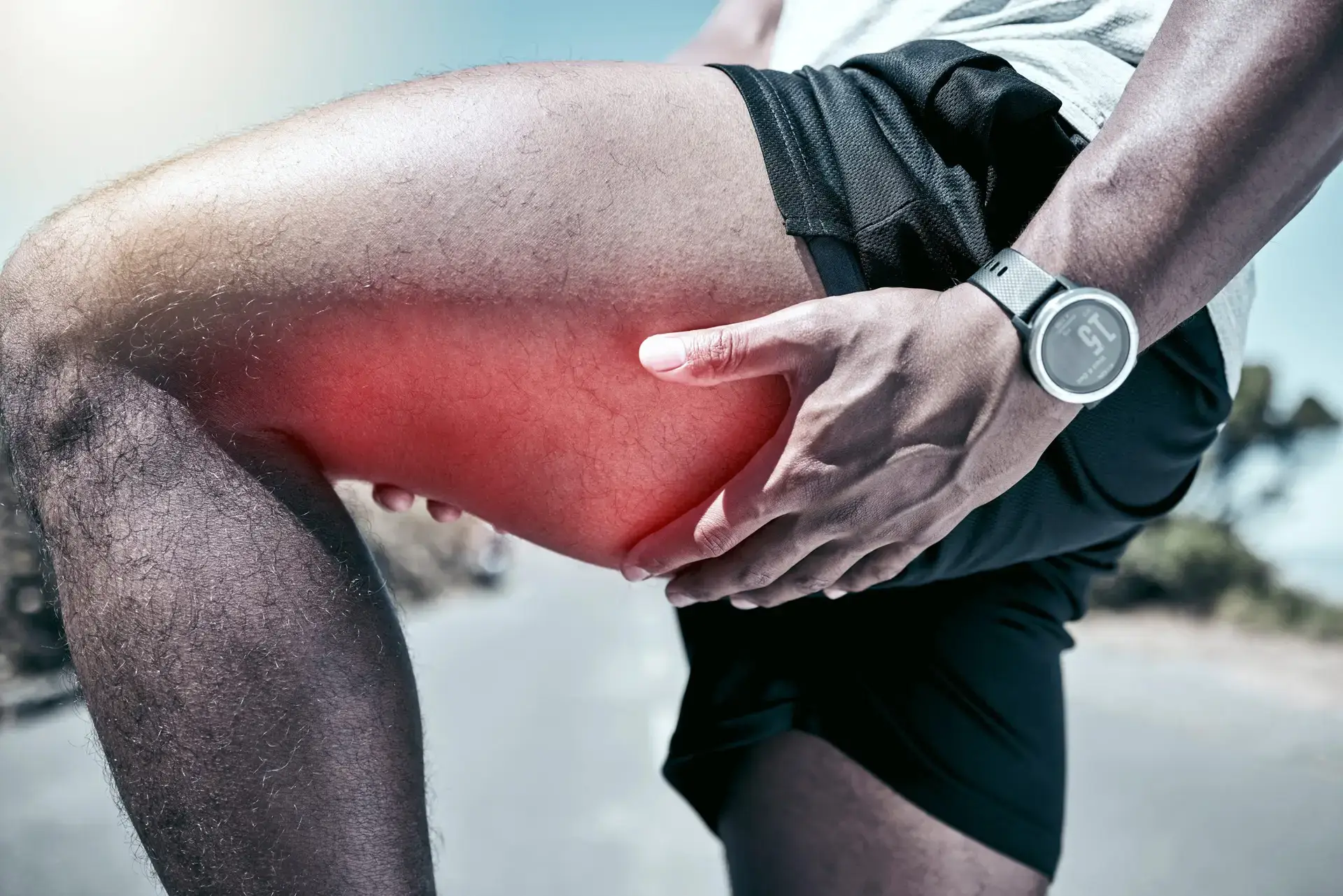
  • 4 Causes of Shin Pain That Are Not Shin Splints

    4 Causes of Shin Pain That Are Not Shin Splints

    Shin pain is a common complaint among people who have active lifestyles, especially runners. If you’ve experienced it, you know how frustrating it can be—not only because it stings or aches but because it can sideline you from doing what you love. Whether you’re someone who enjoys long jogs, playing soccer with friends, or hiking in the Smokies, shin pain can impact your ability to perform at your best or even participate.

    Often, when you mention shin pain, people assume you’re dealing with “shin splints.” While shin splints are a commonly blamed culprit, not all shin pain results from this condition. Other causes of shin pain might be overlooked, delaying proper treatment and making recovery harder.

    What are shin splints?

    Shin splints is not a diagnosis in itself but a broad term used to describe pain in the front of the lower leg. In many cases, runners, dancers, and people new to physical activity have this kind of lower-leg shin pain.

    For our purposes, when we see patients for complaints of shin splints, sometimes the diagnosis they receive is medial tibial stress syndrome (MTSS). But there are many types of calf, lower leg, and shin pain that can be caused by a number of different things.

    Compartment syndrome 

    Compartment syndrome affects the muscles in the lower legs rather than the bones. The lower leg has “compartments,” or groups of muscles, surrounded by fibrous tissue. During intense activities, like running, blood flow to these muscles increases, causing swelling. 

    For some individuals, this swelling creates pressure inside these compartments. If too much pressure builds, it reduces blood flow, leading to pain, tingling sensations, or even numbness in the affected area. Symptoms often appear during exercise and subside with rest, which can make this condition tricky to diagnose. 

    Compartment syndrome is a serious condition, especially if it develops into a chronic issue. If untreated, it can lead to permanent damage to the muscles and nerves. Consulting a healthcare provider is essential for long-term management of the condition. 

    Bone bruises

    Bone bruises are less common than soft-tissue bruises but can happen when the shin bone (tibia) experiences an impact or continued stress on already damaged bone tissue.

    A bone bruise is characterized by microfractures in the affected bone. This means it may not show up on an X-ray of the area, but still exhibits symptoms that don’t fit a surface-level injury.

    Unlike a stress fracture or shin splint, the pain from a bone bruise is often localized and accompanied by tenderness, swelling, and discoloration at the site of impact.

    Treatment for a bone bruise can include resting, icing the area, and keeping the leg elevated, all part of the RICE (Rest, Ice, Compression, Elevation) method of self-care.

    Stress fractures

    Continuing to run while you have pain can make your symptoms and the underlying cause worse. Stress fractures are the progression from earlier forms of lower leg muscle damage or shin bone injury that stress the bones of the tibia and fibula over time.

    Stress fractures are similar to bone bruises except that bone bruises typically occur suddenly due to an impact or injury. Stress fractures are also microfractures in bone tissue but develop over time when the leg muscles’ ability to absorb impact and tension becomes exhausted, transferring stress to the bone itself.

    Risk factors for developing a stress fracture include:

    • Running without proper footwear
    • Running through pain
    • Overexerting yourself in speed or distance
    • Continuously running on hard surfaces like pavement or concrete

    Early diagnosis and proper care, like resting and reducing activity level or intensity, can prevent the injury from escalating.

    Bone fractures

    If bone bruises and stress fractures are the first signs of bone breaks, a bone fracture is the final result. A shinbone fracture is a serious injury, often accompanied by intense pain, swelling, and difficulty bearing weight on the affected leg. This is a culmination of excessive damage and stress left untreated.

    Fractures need to be treated by a doctor and typically include some kind of cast or boot to hold the lower leg in a constant position while the bone heals.

    Running advice from a physical therapist

    If you’re regularly experiencing shin pain, make an appointment with one of our physical therapists to learn how you can best prevent injuries while continuing to live your best life. We may be able to help in more ways than you might think, going beyond helping treat your pain to analyzing your body mechanics, giving advice on the proper footwear to invest in, establishing an injury prevention plan for the future, and more!

    Learn what makes Excel Rehab & Sports different by starting a conversation with our team today. You can call a clinic or request an appointment online any time to get started.

  • How to Treat and Prevent Shin Splints

    How to Treat and Prevent Shin Splints

    If you’re an avid runner pounding the pavement or someone who spends long hours on their feet at work, it’s more than likely you’ve experienced shin splints. These sharp or aching pains along the shinbone can disrupt your training routine or daily activities, leaving you frustrated and fatigued.

    Fortunately, shin splint pain doesn’t last forever, and learning how to treat it effectively on your own and prevent it from happening again is possible with the principles of physical therapy.

    What causes shin splints?

    Shin splints, medically known as medial tibial stress syndrome, occur when the muscles, tendons, and/or bone tissue around your tibia (shinbone) becomes inflamed. These tissues are sensitive to repeated stress or overuse, particularly during high-impact activities like running or jumping.

    Here are a few common factors that can contribute to developing shin splints:

    • Overtraining or sudden increases in activity level: Rapidly increasing the duration, distance, or intensity of your workouts can overload your leg muscles and bones, leading to microtears and irritation around the tibia.
    • Improper footwear: Wearing unsupportive or worn-out shoes increases the risk of excessive stress on your shins. Poorly cushioned shoes or the wrong fit can lead to improper foot mechanics.
    • Flat feet or unbalanced gait: Individuals with flat arches or who roll their feet inward while running may experience uneven distribution of stress on the lower legs, contributing to shin splints.
    • Running on hard or uneven surfaces: Surfaces like concrete or uneven terrain can exacerbate the impact on your shins compared to smooth trails, tracks, or treadmills.
    • “Cold” starts: Jumping straight into high-intensity activities without proper preparation can strain the muscles around your shins.

    Shin pain can be tough because seemingly any amount of time on your feet can keep the issue from getting better on its own. If you’ve experienced shin pain lately, it’s important to stop as much of your activity as possible, assess your condition, and address the root causes now before the pain worsens.

    How to treat shin splints

    The first step toward getting relief is using simple, at-home care to help your legs heal on their own. Tried-and-true methods of treating shin splints at home include:

    • Resting from running and walking as much as possible. Some low- or no-impact exercise, such as swimming, may still be okay.
    • Using ice on your shins.
    • Keeping your legs elevated to alleviate swelling.

    At-home care can work well in the short-term, but if you’ve had several bouts of shin splints or your discomfort isn’t going away on its own, physical therapy offers more targeted, professional treatment techniques. We may use active recovery techniques such as stretches and exercises like:

    • Toe drag stretches
    • Calf stretches
    • Hamstring stretches

    Incorporating stretches as part of your shin splint treatment often optimizes recovery, restores flexibility, and helps prevent future issues.

    How to prevent shin splints

    The best cure for shin splints is prevention. By adopting a few smart habits, you can significantly reduce your risk and keep your legs feeling strong and pain-free for longer.

    1. Warm up and stretch

    Always start your workouts with a few minutes of warm-up to loosen up your leg muscles and promote blood flow. Incorporate dynamic stretches like lunges or leg swings to prepare your body for motion.

    2. Make sustainable progress

    For fitness enthusiasts or new runners, be conservative when you increase your running distance or intensity—experts recommend no more than a 10% increase in speed or distance per week to avoid overloading your body. Listen to your body and take rest days as needed.

    3. Wear proper footwear

    Invest in high-quality running shoes that provide ample support and cushioning. If you have flat feet or overpronation, consider orthotics or insoles to help stabilize your stride and minimize stress.

    4. Vary your terrain

    Part of the joy of running is that you get to enjoy new sights and scenes throughout your community. If you frequently run on hard surfaces like concrete, try alternating your routes to include softer terrains like trails, grass, or running tracks.

    5. Strengthen your lower legs

    Some people who regularly get shin splints can usually benefit from the protection and resilience of stronger calf muscles. Calf-strengthening exercises such as calf raises and ankle rolls build resilience in the muscles around your shins. This added strength reduces the risk of strain, even during demanding activities.

    6. Get a running gait analysis

    One way to know exactly how you should be running is with a professional gait analysis. At Excel, we offer running gait evaluations to diagnose a range of anatomical and mechanical concerns, such as the need for orthotics, recommendations for running shoes, and advice on how to run more balanced and symmetrical. Any of these insights as well as others we may find can help you prevent injuries of all kinds and enjoy the run more.

    Calf and knee pain treatments near you

    Whether you want to run marathons or simply enjoy staying active outdoors, shin splints can throw a wrench in your plans. But you don’t have to live with the pain or let it disrupt your daily routine.

    At Excel Sports and Physical Therapy, we specialize in helping people live their most satisfying active lifestyle with holistic treatments for leg pain and running injuries. From professional evaluation to tailored exercise plans, we’ll help you recover faster and prevent future setbacks.

    Start a conversation with our team about your concerns, symptoms, or goals by calling a nearby clinic or requesting an appointment online today.

  • 6 Reasons You Have Leg Pain When Lying Down

    6 Reasons You Have Leg Pain When Lying Down

    Getting to bed at the end of a long day should be a signal for your body to finally get some well-deserved rest, but for people who get leg pain when lying down, it’s just the beginning of a nightmare.

    Whether it’s a dull ache or sharp discomfort, experiencing pain just when you’re trying to relax or sleep can significantly disrupt your quality of life. You’re not alone in this, and the good news is that understanding the possible causes can help you find the relief you need, whether on your own or with the professional care this condition deserves.

    Potential causes of leg pain when lying down

    Leg pain that gets worse or arises only when lying down can stem from a variety of causes. While the specific reason varies from person to person, here are a few conditions that may give you a better idea of what your discomfort could be caused by:

    Circulatory issues, including peripheral artery disease, can also cause or worsen leg pain in certain positions. In many cases, the pain or discomfort you feel when laying down but not standing are a combination of factors that would each require treatment for you to find relief. That’s why we always recommend talking to a medical professional about these kinds of symptoms, especially when they don’t go away on their own, for the most accurate diagnosis and plan for treatment.

    Treatment options for leg pain when lying down

    Finding relief from leg pain starts with determining the underlying cause. Some folks will have a clear idea and high confidence in self-diagnosing and self-treatment, although there’s always a risk that an improper remedy could worsen the issue.

    Here’s a quick overview of treatment options that may help relieve various types of leg pain:

    • Rest and recovery: For muscle strains and muscle overuse, giving your body enough time to recover is key. Avoid overexertion during the day when possible and try activities like gentle stretching or massage to alleviate tension before laying down.
    • Heat and ice therapy: Applying ice packs can reduce inflammation and acute pain, while heating pads help relax tight muscles and improve circulation.
    • Medications: Over-the-counter anti-inflammatory drugs like ibuprofen may relieve pain or swelling in the short term. However, consult your healthcare provider if you find yourself using medication every day just to rest or sleep.
    • Lifestyle adjustments: Symptoms associated with restless leg syndrome or circulatory issues can often be improved with tweaks to your daily lifestyle, such as staying hydrated, maintaining a healthy diet, and engaging in regular physical activity.

    How physical therapy can relieve leg pain when lying down

    Physical therapy is often a game-changer when it comes to managing and alleviating leg pain in nearly all forms. Here’s what kinds of physical therapy can help:

    Perhaps what’s most helpful about physical therapy is being seen quickly by a medical professional who will listen to your symptoms and help you identify what could be causing the issue. No matter what’s causing your leg pain, the PTs at Carolina Strong can create personalized treatment plans to restore mobility, alleviate discomfort, and help you get back to living a pain-free life.

    Carolina Strong is here to help you rest easier

    You don’t have to live with the frustration of leg pain every time you try to relax or sleep. At Carolina Strong, we’ll help you uncover the cause of this discomfort in a relaxed, positive environment with one-on-one evaluation and treatment.

    Don’t delay your healing another day—call the Carolina Strong clinic near you to get an appointment as soon as tomorrow.

  • Why Are My Legs Sore for No Reason?

    Why Are My Legs Sore for No Reason?

    Have you been walking around, sitting at your desk, or even lying in bed and suddenly noticed that your legs feel unusually sore? You rack your brain trying to recall your last workout or anything that might have led to sore leg muscles for no reason, but nothing seems to add up.

    This scenario is more common than you might think. And fortunately, the solution to getting back to your normal routine is fairly straightforward with the right personalized guidance.

    What causes leg soreness?

    Although it may not make sense, sometimes you did do something to make your legs sore that you don’t remember. Muscles can take a long time to react to sudden exertion, which can mean something you did late at night or much earlier in the day is only now coming to give you the gift of cramps and soreness. This is called delayed onset muscle soreness (DOMS), and it frequently affects people who are suddenly or only occasionally active, but otherwise have a sedentary lifestyle.

    Other causes for leg soreness that you can’t explain include:

    • Dehydration
    • Exercise
    • Hyperextension
    • Overuse
    • Prolonged inactivity
    • Awkward leg posture (watching TV, working, gaming)
    • Injury
    • Inflammation

    How to treat sore leg muscles

    Finding relief from sore legs—whether you know what caused it or not—involves both treating the underlying cause while using at-home remedies to soothe symptoms.

    Addressing inflammation

    The RICE method—rest, ice, compression, and elevation—is a simple and effective way to reduce inflammation in the leg muscles and alleviate pain. This approach soothes the affected area while your muscles time recover naturally.

    Gentle massage

    A light massage can provide immense relief by improving blood circulation and relaxing tense muscles. Be sure to keep the pressure gentle, especially if the soreness stems from inflammation or a suspected injury. The best way to ensure an effective massage is to see a professional, like a physical therapist trained in therapeutic massage.

    Stretching & resistance

    Stretching can release tension and improve your muscle flexibility. The key is to keep stretches slow and deliberate so you don’t accidentally hyperextend a joint or ligament. Resistance bands are also excellent tools to incorporate controlled stretching and strengthen your muscles in the process.

    Staying hydrated

    Drink plenty of fluids and consider electrolyte drinks if dehydration may be a contributing factor.

    Are my legs sore or injured?

    One thing that performance athletes know is the difference between the “good” and “bad” kind of pain from soreness and activity. There’s soreness from training or doing something new that can be an indicator that you’re getting stronger, but there’s also pain from muscles or other parts of your body that are damaged.

    Knowing whether you should continue to be active or seek professional help for an injury is key to finding relief from your current symptoms. When in doubt, talk to a physical therapist, who can evaluate what’s wrong and listen to your experience to diagnose a specific condition that gives you a targeted treatment plan.

    What to expect from a physical therapist treatment

    If your unexpected leg soreness has lasted for a long time or has gotten worse, it’s probably time to seek expert advice. A physical therapist can evaluate your condition and propose a tailored plan to alleviate your discomfort.

    Here’s what your first appointment with a physical therapist may look like:

    • Initial evaluation: Your therapist will ask questions about your lifestyle, work routine, and activity habits to identify any triggers for your leg soreness.
    • Detailed assessment: Most physical therapists will ask you questions like: Are the aches in one leg or both? When did it start? What helps or worsens the pain?
    • Physical examination: This may involve observing your posture, movements, and any limitations in flexibility or range of motion.

    After the evaluation and diagnosis, your physical therapist will provide recommendations for treatment that may include stretching exercises, muscle-strengthening techniques, and daily habits to incorporate in your routine, all customized to your specific needs.

    Get back to full performance with leg soreness treatments

    Soreness is usually an annoying but normal part of an active lifestyle, even if it seems to come out of nowhere. If you’re really struggling to get through a day because of how much discomfort and weakness you’re experiencing, our physical therapists and athletic performance specialists can help.

    At SOL, you get more than just the expertise of rehab therapists. Our team is made up of clinical experts in all kinds of sports, lifestyles, and activities that make it easy to get the highly customized treatment you deserve. Start getting answers and a plan to feel better by calling one of our nearby clinics or by requesting an appointment online today. We can often see folks within 48 hours for their first appointment, so there’s no time to waste.

  • Common symptoms and causes of a pulled muscle in the leg

    Common symptoms and causes of a pulled muscle in the leg

    Your legs carry you around all day. They allow you to explore, play sports, dance and simply get things done. Sometimes, though, you can overuse them or push them too hard. One common leg injury is a pulled muscle involving the:

    • Hamstrings
    • Calf muscles
    • Quadriceps
    • Groin muscles
    • Adductor muscles

    Pulled leg muscles can be incredibly frustrating and put a damper on your ability to do daily activities. Despite the difficulty a pulled muscle can bring, it can be treated in a variety of ways, including with physical therapy. 

    Common symptoms of a pulled leg muscle

    A pulled muscle, also called a muscle strain, happens when the fibers in a muscle are stretched too far or even tear slightly. It can be surprisingly painful and, depending on the severity, can limit your ability to move. Here are some symptoms you may experience with a pulled muscle in your leg:

    • Pain — Pain is the most obvious symptom. It can range from mild discomfort to a sharp, stabbing sensation and may become worse with movement, especially when putting weight on the affected leg. 
    • Tenderness — The area around the pulled muscle will likely feel tender to the touch. 
    • Stiffness — The muscle may feel stiff and tight, making it difficult for you to move your leg normally. 
    • Weakness — The injured muscle may feel weak, which can make it hard for you to do activities that require strength in your affected leg.
    • Swelling — Sometimes, the area around the pulled muscle may swell slightly.
    • Bruising — In some cases, the injured area may bruise. This is less common than with other types of leg injuries. 

    It’s important to note that the severity of your symptoms can vary depending on the severity of your muscle strain. If you are experiencing any of these symptoms, especially if they are severe or don’t improve after a few days, it’s a good idea to see a doctor. 

    Causes of a pulled leg muscle

    There are several reasons why a pulled muscle can happen in your leg. Here are some of the most common culprits behind pulled muscles:

    • Overexertion or overuse — Doing intense physical activity without taking time to warm up or stretch properly can put a lot of strain on your muscles, increasing the risk of your muscles overstretching or tearing. 
    • Sudden movements — Quick and abrupt movements, especially when the muscle isn’t prepared or conditioned for the motion, can cause strains. Proper form and technique are essential during exercise.
    • Muscle fatigue — Continuing to use muscles without resting can lead to muscle fatigue. Fatigued muscles are weaker and can’t fully handle stress, which can make them more prone to strains. 
    • Poor flexibility — Muscles that aren’t flexible or adequately stretched are tighter and less adaptable. During physical activity, this tightness can limit their range of motion and make them more likely to be pulled. 
    • Incorrect technique — Using incorrect form or technique during exercises, sports or physical activities can put uneven stress on your muscles. This uneven stress can overload certain muscle fibers and lead to strains. 
    • Dehydration — Not being properly hydrated can affect muscle function. When you’re dehydrated, your muscles don’t work as well and can be more prone to strains. 
    • Muscle imbalance — Uneven strength or flexibility between muscles in your legs can cause you to overcompensate. When one muscle group is weaker or tighter than another, it can take on more work, putting it at a higher risk of strain. 
    • Environmental factors — Cold weather can make muscles stiffer and less flexible, increasing the risk of strains. Exercising on uneven surfaces can also put extra stress on leg muscles and lead to injury. 
    • Previous injury — Muscles that have been injured before may have scar tissue or weakness, making them more susceptible to strains in the future. 

    By understanding these potential causes, you can take steps to help prevent pulling muscles in your legs and keep yourself active and healthy. 

    How to relieve a pulled muscle

    If you suspect you’ve pulled a muscle in your leg, there are some steps you can take to help it heal and get yourself back on your feet:

    • PRICE method — The PRICE method can be a fantastic starting point for helping a pulled leg muscle:
    • Protection — Protect your injured muscle from further strain by avoiding activities that cause pain. Light walking or movement exercises that don’t make your pain worse can help promote blood flow and healing. 
    • Rest — Give your muscles time to recover. Pushing through a pulled muscle can cause further damage. 
    • Ice — Apply ice packs to the affected area for about 20 minutes at a time. Make sure you wrap the ice pack in a towel to help prevent skin irritation. Icing can help reduce inflammation and numb the pain. 
    • Compression — Wrap your injured leg with an elastic bandage to help minimize swelling and provide support. Don’t wrap it too tightly; you don’t want to restrict circulation. 
    • Elevation — Whenever possible, elevate your injured leg above your heart. Prop it up on pillows while sitting or lying down. Elevation can help drain excess fluid from the area, reducing swelling.
    • Over-the-counter pain relievers — Medications like ibuprofen or acetaminophen can help you manage your pain and inflammation. Make sure to take the medications as directed and seek medical care if your condition lingers or gets worse. 
    • Gentle stretching — Once your initial pain eases, add gentle stretches to your routine. Stretching helps the muscle fibers regain their normal length and range of motion. This can help improve flexibility and prevent stiffness. However, it’s important to listen to your body and avoid pushing yourself. 
    • Physical therapy — Physical therapy can be a valuable tool in recovering from a pulled muscle in the leg. A licensed physical therapist can assess your specific injury and create a personalized treatment plan. 
    • Gradual return to activity — As you heal, slowly reintroduce activities that don’t cause you pain. Start with light exercises like walking and gradually increase intensity as you can tolerate it. It’s important to be patient and avoid reinjuring yourself.

    Don’t rush the healing process. Pushing yourself too soon can make your injury worse or lengthen your recovery time. If your pain is severe, or it doesn’t improve after a few days, or you experience any concerning symptoms, consult a doctor. 

    Physical therapy techniques for a pulled muscle in the leg

    Physical therapy can be a game-changer when it comes to recovering from a pulled leg muscle. Here’s a breakdown of how some techniques can specifically help target and heal a pulled leg muscle:

    • Manual therapy — Manual therapy techniques is an umbrella term for hands-on techniques like soft tissue mobilization and myofascial release. Your physical therapist will use their hands to help work out tight knots in your muscle by using pressure and specific movements. These manual therapy techniques can help:
    • Improve blood flow
    • Reduce muscle tension and pain
    • Promote healing
    • Therapeutic exercises — Therapeutic exercises are targeted exercises to help your injured muscle and supporting muscles. Your physical therapist will design a program that includes:
    • Flexibility exercises
    • Strength exercises
    • Range-of motion-exercises
    • Gait and movement training — Sometimes, a pulled muscle can be caused by imbalances or weakness in your walking or running form. Your physical therapist can analyze your gait and identify these issues; then, they can design exercises to:
    • Improve your gait
    • Enhance your movement efficiency
    • Aquatic therapy — Aquatic therapy embraces the buoyancy of water to provide a gentle, low-impact environment for exercise, making it ideal for:
    • Pain-free movement
    • Promoting healing
    • Muscle strengthening

    This isn’t an exhaustive list, and the techniques used will depend on your injury and needs. 

    Excel Sports & Physical Therapy can help you regain strength and flexibility during your pulled leg muscle recovery

    At Excel Sports & Physical Therapy, our team of licensed physical therapists offers a targeted approach to healing, addressing your specific needs and concerns. We create personalized physical therapy treatment plans to help ensure optimal healing and a reduced risk of future injuries. We can help you heal your pulled leg muscle and get moving with confidence again. 

    Call us or request an appointment today for help with your pulled leg muscle recovery. 

  • 9 top reasons people feel leg pain when lying down

    9 top reasons people feel leg pain when lying down

    When you’re ready for bed and go to lie down, your legs may have a different idea and begin to ache. This can affect anyone and is a common occurrence. You may experience cramping, aching or even a sensation similar to ants marching up and down your legs. It’s unpleasant, but it doesn’t have to be an unsolved mystery keeping you up all night. 

    Causes of leg pain when lying down

    Figuring out the reason why your legs are keeping you up all night can be due to culprits like:

    • Cramps — Certain movements can trigger cramps when your muscles are fatigued from use. On the flip side, a lack of movement can trigger cramps. Mineral deficiencies and dehydration can also cause your muscles to cramp.

    • Pregnancy — Pregnancy is hard on a woman’s body. It increases the blood volume and also places additional strain on the body due to weight gain. The uterus also places extra pressure on veins that carry blood back and forth from the lower extremities. Blocked blood flow and fluid retention can cause aches in your legs when lying down.

    • Restless leg syndrome (RLS) — Restless leg syndrome is a condition that keeps your legs moving even when you want to relax and sleep. RLS can make your legs feel itchy, twitch, or even just feel restless. It can happen anytime you are at rest, but it can be particularly infuriating at night.

    • Gout — Gout is caused by a buildup of uric acid crystals in your joints. This buildup can happen overnight and your body can respond by alerting you that something is wrong in the form of leg pain.

    • Musculoskeletal issues — Problems like herniated discs, spinal stenosis, or issues with joints and muscles can cause leg pain, especially when lying down.

    • Blood clot — Blood clots can happen if you have been traveling, especially if it was a long-distance flight or if you have been sitting for long periods of time. If you are experiencing symptoms or suspect you may have a blood clot, it’s essential to seek immediate medical attention.

    • Nerve issues — Leg pain when lying down can be caused by nerve issues that can be due to conditions like physical trauma, lupus, arthritis, sciatica or diabetic neuropathy.

    • Varicose veins — Varicose veins are due to poor circulation and can be common in people who deal with fluid retention issues. These veins mean they aren’t working as well as they should, and pressure over the course of the day can result in aching pain and a heavy feeling in your legs.

    • Peripheral artery disease (PAD) — PAD involves the narrowing of the arteries in your legs. These arteries are responsible for the supply of blood to your limbs. Leg pain when you’re lying down can be a result of reduced blood flow. 

    Treatments for leg pain when lying down

    Addressing leg pain when lying down can involve a combination of lifestyle changes, medical interventions and other treatments. Some effective approaches can include:

    • Compression stockings — If your leg pain is a result of varicose veins, compression stockings can help improve blood circulation and reduce any discomfort you’re experiencing.

    • Lifestyle modifications — Adding some lifestyle changes including regular exercise, a balanced diet and making sure you stay adequately hydrated can help alleviate leg pain caused by a variety of factors.

    • Physical therapy — Physical therapy can be incredibly beneficial in helping to address leg pain when lying down. A physical therapist can design a personalized treatment program to help address any underlying issues contributing to your pain.

    • Medications — Your health care provider may recommend pain relievers, muscle relaxers or medications for specific conditions like nerve pain. 

    How physical therapy can help leg pain when lying down

    Physical therapy can be a beneficial treatment to help manage leg pain when lying down. It’s important to help address the symptoms and the underlying causes. Physical therapy can help through:

    • Manual therapy — Manual therapy is a hands-on approach involving techniques like soft tissue mobilization and joint mobilization. These techniques can help reduce muscle tension, improve joint mobility and alleviate pain. They can help improve discomfort from conditions like arthritis or sciatica.

    • Aquatic therapy — Aquatic therapy can be beneficial thanks to the buoyancy of the water and the lessened impact it can have on the joints. The water provides excellent resistance, enhances muscle strength and is a supportive environment that can allow for an increased range of motion without the same weight-bearing stress experienced on land.
    • Dry needling — Dry needling is performed by certified physical therapists who insert thin, sterile needles into trigger points or tight muscles. This technique is intended to help release muscle tension and reduce pain. It can be effective in helping to address myofascial trigger points that can be causing your leg pain. 

    Leg pain when lying down can be a frustrating issue with several culprits that could be the underlying issue. It can leave you exhausted and impact your daily life. However, it doesn’t have to stay that way. Through interventions like lifestyle changes, medications and physical therapy, you can find relief from your pain and improve your quality of life. If you’re experiencing persistent leg pain when lying down, see your health care provider and consider physical therapy as part of your treatment plan to help you reclaim your life. 

    Excel Sports & Physical Therapy can help you get back to resting easy 

    Excel Sports & Physical Therapy can help you alleviate your leg pain when lying down. Our expert team of physical therapists can design a personalized treatment plan that can include a combination of techniques based on your specific needs and the underlying cause of your leg pain. These treatments can help alleviate symptoms and help address the root cause of your pain to help improve your function, mobility and overall well-being.

    Call us or request an appointment today so we can start addressing your leg pain together.

  • Why can’t I put weight on my leg without pain? Here are 5 possible explanations

    Why can’t I put weight on my leg without pain? Here are 5 possible explanations

    If you can’t put weight on your leg without severe pain, something’s likely wrong in your knee. In this article, we’ll describe a few possible culprits for your leg pain, and we’ll explain what you may want to do next. Important note: If you can’t stand at all right now and you don’t know why, you should call for help immediately. However, if you can stand to feel pain when you put weight on your leg, you may find this article helpful. Now, keep reading for a few possible explanations for your knee pain:

    1. ACL tear

    Your anterior cruciate ligament, or ACL, stabilizes your knee by holding your shinbone and thighbone together. A tear in your ACL leaves those bones vulnerable to movement, which can cause significant pain in your leg. If you injure your ACL, you are likely to feel pain in your knee whenever you put weight on it. Considering that the ACL is the most commonly injured ligament in the knee, there’s a good chance if you experience knee pain that this is the culprit.

    2. Bone fracture

    There are three bones in your knee — the femur, tibia and patella — and all of them are susceptible to fractures. Bones bleed when you fracture them, and the body sends increased blood flow to the broken area to fight infection. All of this excess fluid can make your knee feel warm and painful, especially when you put the weight of your body on it. 

    3. Meniscus tears

    The meniscus is a rubbery piece of cartilage that sits between your shinbone and thighbone, absorbing shock as you walk around and go about your day. It can tear if you twist your knee, leaving the bones around it with nothing between them for cushion. This can be a painful injury that worsens when you stand or bend your knee.

    4. Tendinitis

    Tendinitis occurs when one of your tendons — the soft tissue that attaches a muscle to a bone — becomes inflamed due to small tears. Patellar tendinitis occurs when the tendons that hold the muscle and bone together are torn. The body sends blood flow to the knee to fight infection, which creates swelling and soreness in the leg. This condition can make it painful to put weight on your knee.

    5. Knee bursitis

    Bursitis occurs when the small sacs that cushion your joints (called “bursae”) become swollen and inflamed. As a result, they can push the bones around them out of place, causing bones and muscles to grind up against each other in ways that may be painful. At least 1 out of every 10,000 people develops bursitis in the knees or elbows each year. It’s most commonly caused by overuse but can also stem from an infection around the knee joints.

    Can physical therapy help me stand without knee pain?

    You should consult a doctor if you are entirely unable to stand. If you are experiencing weakness in your leg and are unable to put weight on it without pain, physical therapy may be able to help. Here’s how:

    • Strength training — Your physical therapist will coach you through exercises to help you regain strength in your leg. This will restore your knee’s ability to support your body so that you don’t feel as much pain when you put weight on it.
    • Manual therapy — Your physical therapist will physically manipulate your joints and soft tissue with their hands to relieve tension and drain fluid away from the area that’s causing you pain.
    • Ice therapy — It’s no secret that ice is a valuable tool for treating injuries. Your specialist will apply ice and heat in targeted intervals to strategically drain excess fluid away from the site of your injury and reduce swelling in your leg.

    Alliance PTP is ready to help you find top-notch PT for leg pain

    At Alliance Physical Therapy Partners, we’re proudly bringing together physical therapy practices across the country to help people get the high-quality PT they need. Want to see a physical therapist in person? We can put you in touch with an Alliance PTP partner that’s close to you and that can help you restore strength in your leg so you can put weight on it without pain. Not keen on in-person PT sessions or not close to an Alliance PTP partner? No worries. We also offer effective and affordable virtual physical therapy through our Agile Virtual Physical Therapy platform. Contact our team today so we can help you find the most effective physical therapy services for your injury or condition.

  • The top 4 culprits behind chronic hamstring pain

    The top 4 culprits behind chronic hamstring pain

    Chronic hamstring pain can occur for a number of reasons, but it’s most commonly experienced after the muscle is pulled, strained or torn. It can hurt pretty bad, making it difficult to walk, sit or stand up. Your hamstrings are one of the muscles that allow you to bend your knees and move your hips from side to side, so when you hurt one, any activity that involves those motions becomes painful.

    Struggling with hamstring pain and wondering what the cause is? Read below to learn about some potential causes:

    1. Running

    When you run, your hamstrings are pulled tight. Pulling them too tight can result in cramps, charley horses and full-on injuries.

    Stretching is one potential solution to this problem. Stretching loosens up your muscles, which gives them some slack that prevents overstretching.

    2. Dancing

    Hamstring injuries are a common injury among professional dancers. Dances that involve high kicks and excessive leg-stretching put the thigh muscles under pressure, potentially leading to chronic hamstring pain.

    3. Kicking

    Any other sport or activity that involves kicking — soccer, martial arts, skateboarding, etc. — can injure the hamstrings. Even bicycling, which involves repetitive downward “kicks,” can lead to overtightening.

    Again, stretching can help here. When your muscles are loosened up and prepared for the stress you’re going to place on them, they’re less likely to give out.

    4. Not giving yourself enough time to recover from an injury

    Once your hamstring is injured, you must give yourself time to recover before returning to strenuous activity. Depending on the severity of your injury, you may need to step away from your preferred sport or activity for several weeks or even months to allow for full recovery. Throughout that time, you can work slowly to rebuild your hamstring muscles.

    Failure to take some time off can lead to further injuries.

    Here’s what you should do if you experience chronic hamstring pain

    We’ve already discussed the importance of stretching and recovery time. You should also schedule an appointment with a physical therapist. At Back in Motion Physical Therapy, an expert will be able to diagnose the cause of your chronic hamstring pain and recommend a treatment plan.

    Contact us today for more information or to schedule an initial appointment. 

When Was Your Appointment?

We recently changed bill pay providers. Please click the button for the date of your appointment to be directed to the correct online payment portal.