Please ensure Javascript is enabled for purposes of website accessibility

Category: Leg Pain

  • How much time could my hamstring strain recovery take?

    How much time could my hamstring strain recovery take?

    You have a hamstring strain, and you’re wondering how long it will affect your life and your ability to play sports. Well, buckle up. Hamstring strain recovery times can be lengthy. 

    How long can your hamstring strain recovery time last?

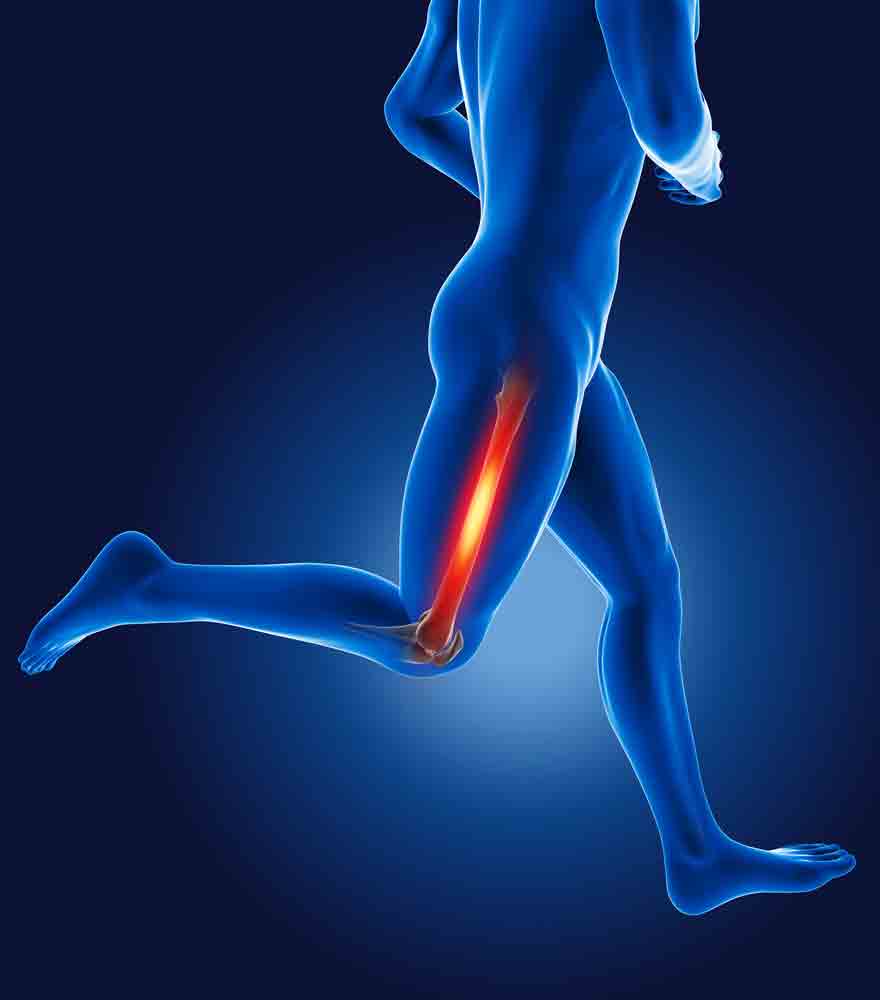
    We commonly think of the hamstring as one structure. But the reality is that there are three separate hamstring muscles. Hamstring injuries are quite common in athletes, and it’s estimated that up to 16% of all sports injuries are hamstring strains. Just how long your hamstring strain recovery time lasts depends on how severe your injury is. Some possible severity level-related recovery times are: 

    • At least three weeks for a mild (grade 1) hamstring strain. 
    • Four to eight weeks for a moderate (grade 2) hamstring strain. 
    • Three months or more for a severe (grade 3) strain since it will likely require a surgical repair. 

    Why can it take a long time to recover from a hamstring strain?

    You might have been surprised at the length of time it can take to recover from a hamstring strain. You may also be wondering why this injury can take so long to recover. As we said, strain severity is one reason, but how your hamstring muscles are used is another. Every time you move your knee, your hamstring muscles must lengthen or contract. They are even working hard when you are just standing or sitting still. The fact that they are almost always working makes it much harder for these muscles to heal. Also, other medical conditions, your fitness level and other individual factors can affect your healing time. 

    What can physical therapists do to minimize your hamstring strain recovery time?

    Physical therapists seek to help you recover from injuries as quickly as possible. To this end, your physical therapist may create a hamstring strain treatment plan that includes: 

    • Aquatic therapy — Water-based, or aquatic, therapy can be very helpful for hamstring injuries. This technique takes advantage of the fact the water reduces the effects of gravity. Hamstring injury patients can do recovery exercises while putting less strain on their injured muscle as a result. 
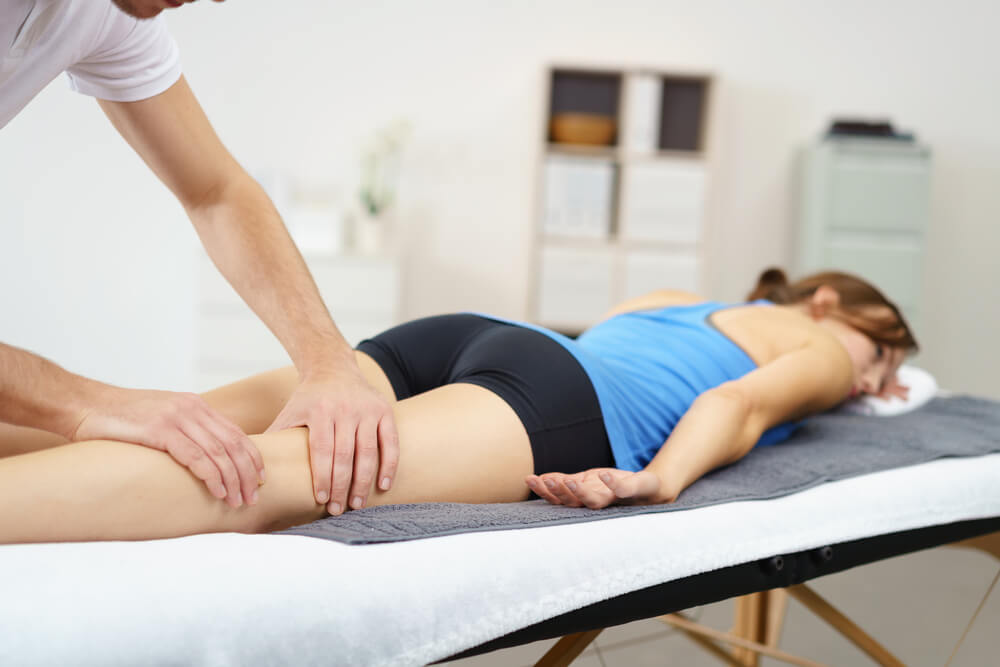
    • Soft tissue mobilization — Scar tissue can form in muscles as they heal. The result can be increased pain and stiffness in the healing muscle. Physical therapists can help break up scar tissue in your recovering hamstring with soft tissue mobilization. Your physical therapist will use their hands to perform this technique. They will first use their hands to examine your hamstring muscles for areas of scar tissue. Then, they will move their hands along the muscle while applying pressure to break up the scar tissue. 
    • Running form analysis — Before you return to running or other sports, your physical therapist may want to do a running form analysis. Why? It can help them identify form issues that can lead to future injuries. Your physical therapist can then help you address your form issues before they lead to future problems. 

    Excel PT can help reduce your hamstring strain recovery time

    Want to recover from a hamstring strain as quickly as possible? Then you should come work with our helpful Excel Sports & Physical Therapy team. We can do a free screening for you that’s designed to pinpoint how severe your strain is and how long it may take to heal. In addition, our physical therapists are adept at creating individualized treatment plans intended to: 

    • Reduce pain.
    • Improve flexibility and function. 
    • Decrease recovery times. 
    • Slash your risk of future injuries. 

    Contact our team today for more information about our sports injury treatment options or to schedule an initial appointment to start treating your hamstring strain.


  • Why do I feel pain in my lower leg above the ankle when running?

    Why do I feel pain in my lower leg above the ankle when running?

    For runners, ankle or leg pain can be a common occurrence. Running is a high-impact activity that can put a lot of stress on the joints. This stress can lead to a few different conditions that can cause pain in your lower leg above the ankle, especially while running. A physical therapist can perform a thorough evaluation to determine the cause of your leg pain and how to treat it.

    Do you experience pain in your lower leg above the ankle when running? If so, physical therapy is a natural and effective treatment that can help manage your pain while running.

    Causes of pain in lower leg above the ankle while running 

    There are a few different common causes of leg pain associated with running. If you experience pain above the ankle while running, one of the following conditions could be the cause:

    • Tendinitis — This condition is caused by tendon irritation. Overexertion while running can lead to tendinitis. If the Achilles tendon in the heel is affected by tendinitis, it can cause pain above the ankle. The most common symptoms include a dull sensation of pain and tenderness. It may also be accompanied by some swelling.
    • Stress fracture — Tiny fractures in the bone are known as stress fractures. They are usually caused by repetitive impact or force. If runners take on excessive distances, then it can put more stress on their bones. This can result in stress fractures in the shin, which may cause pain above the ankle while running.
    • Ankle sprain — Spraining your ankle means you’ve overstretched or torn the ligaments in the joint. This is the tissue that connects the bones together. The most common joint that is sprained in the human body is actually the ankle. The most common symptoms for an ankle sprain are swelling, tenderness, bruising and pain. This can cause pain above the ankle too, depending on the severity of the sprain.
    • Ankle strain — An ankle strain has similar symptoms to a sprain. The difference is that a strain is caused by overstretching or tearing the muscles or tendons. The tendons are fibrous tissue that connect the bones and muscles together. Straining your tibialis anterior muscle or tendon can cause pain above the ankle.

    Whatcom Physical Therapy is ready to get you running again

    If you’re experiencing lower leg pain above the ankle when running, physical therapy can help. Our team at Whatcom Physical Therapy is experts in treating the different causes of ankle pain. Our physical therapists can build you a personalized treatment plan to target the underlying cause of your lower leg and ankle pain. 

    Contact our team today for more information about leg or ankle pain when running or to schedule an initial appointment.

  • Symptoms that are common for a torn hamstring

    Symptoms that are common for a torn hamstring

    Professional and amateur athletes. People who don’t maintain good flexibility. People who have leg muscle imbalances. What do all these people have in common? They’re more likely to injure their hamstring. 

    The hamstring is actually a group of three muscles in the back of the thigh, and they’re some of the most commonly injured leg muscles. In fact, one study reports that up to 16% of all athletic injuries are hamstring strains. Developing a torn hamstring is an event that will lead to some very specific symptoms. Physical therapists can help you determine if your symptoms are related to a torn hamstring, and they can help you find effective treatment for hamstring injuries as well. 

    The most common symptoms of a torn hamstring

    Hamstring injuries are typically grouped by their severity, and this means that there are three specific grades of hamstring injury. Both grade two and grade three hamstring injuries involve partial or complete tearing of one of the hamstring muscles. People with such injuries are more likely to experience symptoms such as: 

    • A sudden, sharp pain during activity. 
    • A popping sensation when the injury occurs.
    • Tenderness in the back of the thigh. 
    • Swelling in the thigh within hours of the initial injury. 
    • Bruising that develops a few days after the initial injury. 
    • An inability to place weight on the leg. 

    How can physical therapists treat torn hamstring symptoms?

    Treating a torn hamstring can be tougher without expert help, and physical therapists can offer the expert assistance you need to treat your injury more effectively. A few of the therapy methods that your physical therapist may use for an injured hamstring include: 

    • Manual therapy designed to reduce soft tissue tension in and around tender points. 

    Find help for your torn hamstring symptoms at Advent PT

    At Advent Physical Therapy, our team of physical therapists can help you treat the symptoms of a strained or torn hamstring. We can start you off with a free screening, which we’ll use to confirm the cause of your symptoms and assess your injury’s severity. Next, our physical therapists will construct a customized physical therapy plan for you that’s designed to: 

    • Reduce pain.
    • Speed up healing.
    • Decrease your risk of future injuries.

    You can also sign up for virtual therapy or at-home care sessions with our team. Such sessions allow you to treat your injury symptoms from the comfort of your own home. 

    Contact our team today for more information about how we can help treat hamstring injuries or to schedule your initial appointment.

  • Why is your torn hamstring recovery time lasting so long?

    Why is your torn hamstring recovery time lasting so long?

    It’s not uncommon for people with hamstring injuries to ask this question. After all, they’re usually athletes who want to return to playing as soon as possible. Yet there are many factors that can cause your torn hamstring recovery time to go on longer than you want it to.

    A hamstring tear is something that many athletes experience. One medical study estimates that up to 16% of all sports injuries involve the hamstring. Physical therapists are medical professionals who can educate you about hamstring tears. They can also help you learn why your recovery time is lasting so long and offer treatments that can speed up hamstring healing. 

    Three factors that can lengthen your torn hamstring recovery time

    Hamstring tears can take anywhere from four to 12 weeks to heal. There are many reasons that your hamstring tear might be taking a long time to heal. A few of the factors that can affect your recovery time are: 

    • Tear severity — The severity of hamstring tears can vary. A grade one injury is when your hamstring is only slightly torn. More moderate tears are classified as grade two injuries, and severe or complete tears fall into the grade three category. A tear that’s more severe will take longer to heal. 
    • Tear location — The area of the hamstring that has been torn can determine how long your recovery takes. For instance, a tear in the thicker middle of the muscle can take four to six weeks to heal. Tears in the muscle near one of its tendons can take more time to heal, because the areas near the tendons receive less blood flow than other parts of the muscle.
    • Not doing physical therapy — Some people who tear a hamstring may decide to avoid physical therapy. However, this decision can lead to issues like: 

    Increased pain.

    Increased recovery time.

    Higher risk of reinjury. 

    How can physical therapists reduce your torn hamstring recovery time?

    There are many techniques that a physical therapist can use to treat a torn hamstring. One goal these techniques can meet is reducing your healing time. Some techniques that your physical therapist may use to meet this goal include: 

    1. Aquatic therapy designed to reduce stress on the healing hamstring during therapeutic exercises.
    2. Manual therapy intended to improve flexibility in the injured hamstring. 
    3. Blood flow moderation training that can help increase hamstring strength more rapidly. 

    Find treatment that can reduce torn hamstring recovery times at Border TS

    Ready to find treatment that can decrease the recovery time for your torn hamstring? Our team at Border Therapy Services is prepared to help you find the top-notch care you’re looking for. We offer free screenings that can pinpoint where you are in the healing process. Our physical therapists can then construct a customized therapy plans for you that’s intended to: 

    1. Speed up your healing process. 
    2. Decrease your pain. 
    3. Reduce your risk of future hamstring injuries. 

    Even better, you can use our at-home care or virtual therapy services to work with our specialists from home. 

    Contact our team today for more information about how we can help address your hamstring injury or to schedule an initial appointment. 

  • How much time will I need for torn hamstring recovery?

    How much time will I need for torn hamstring recovery?

    The answer to this question can vary from person to person, and your recovery time can also depend on how seriously your hamstring has been torn. 

    The term “hamstring” is used to refer to three muscles in the back of your thigh, and these muscles are commonly injured while playing sports. One medical study reveals that up to 25% of all sports-related musculoskeletal injuries involve the hamstring. A physical therapist can help you determine how much time your torn hamstring recovery can take. They can help you find effective ways to treat your hamstring injury and reduce your recovery time as well. 

    How the severity of your torn hamstring affects your recovery time

    Medical professionals typically classify hamstring tears into three separate categories. These three categories are: 

    1. Grade 1 tears — Injuries in this category are also referred to as mild tears. In many cases, these tears take about three weeks to heal. 
    1. Grade 2 tears — This category is also known as moderate tears. Grade 2 tears are those that are only partial, and they can take up to eight weeks to heal. 
    1. Grade 3 tears — Severe tears is another name for this category of hamstring tears. They involve a complete or nearly complete tearing of the hamstring muscle. These tears are the most likely to require surgery to heal properly, and they often take up to three months or more to recover from. 

    How can physical therapists help reduce your torn hamstring recovery time?

    Reducing how long your healing takes is one goal of physical therapy. Meeting this goal is possible thanks to the many therapy methods your physical therapist can use to treat your injury. A few of the techniques your therapist may use to treat your hamstring tear include: 

    • Aquatic therapy that can help reduce pressure on the healing muscle while you’re doing therapeutic movements. 
    • Anodyne® therapy designed to improve circulation and reduce pain in the injured hamstring. 

    Look to Peak Performance for help reducing torn hamstring recovery time

    Do you want to have the shortest possible recovery time for your torn hamstring? Our Peak Performance Sports & Physical Therapy team can help you meet this goal. We can start your physical therapy process off with a free screening of your injured leg. Then, our physical therapists can construct an individualized therapy plan specifically for your needs, which can offer benefits like:

    • Reduced pain.
    • Improved muscle strength and flexibility.
    • Increased ability to do sports-related movements. 
    • Decreased risk of future sports injuries. 

    You can even treat your injured hamstring from home by using our virtual therapy service. 

    Contact us today for more information about our sports injury treatment services or to schedule your initial appointment. 

  • One effective way to reduce your torn hamstring’s recovery time

    One effective way to reduce your torn hamstring’s recovery time

    You’re running down the field or court, and you feel a pop in the back of your leg followed by pain. This basic scenario is far too common in sports, and it indicates that you’ve injured your hamstring. 

    Reducing a torn hamstring’s recovery time is a common goal for athletes. After all, medical studies report that hamstring injuries account for up to 25% of all sports injuries. One effective way to decrease the recovery time of your torn hamstring is to work with a physical therapist. In fact, physical therapy can offer many benefits when treating a hamstring injury. 

    How can physical therapy help reduce your torn hamstring’s recovery time?

    Physical therapists can and should be involved with your recovery from right after you’re injured until you’re able to return to playing. This level of involvement can help decrease your torn hamstring’s recovery time. Some ways physical therapists can help you achieve this goal is by: 

    1. Decreasing your pain — Your level of pain is often a sign of how far you’ve progressed in the recovery process. Physical therapists can work with you to reduce your pain during the initial recovery stages. For instance, your specialist can show you how to do therapeutic exercises that help decrease pain and maintain muscle tone and flexibility. 
    1. Reducing scar tissue buildup — Scar tissue tends to naturally form in healing soft tissue. However, scar tissue can cause problems later in your recovery process. It can restrict the movement of muscles during therapy, which can trigger pain. Scar tissue can also decrease soft tissue flexibility. 

    Your therapist can use techniques such as soft tissue mobilization and instrument-assisted soft tissue mobilization (IASTM) to help you. Both of these techniques can help break down scar tissue and help you avoid the issues it can cause. 

    1. Addressing underlying issues — Poor running form or low muscle flexibility can often trigger hamstring injuries. Such underlying issues can also cause future injuries if they aren’t addressed. 

    Your physical therapist can help you identify any underlying issues that could lead to future injuries. They can also help you address these issues, which can reduce your risk of future sports injuries. 

    Find ways to reduce your torn hamstring’s recovery time at Excel PT

    Are you looking for physical therapy that can reduce your torn hamstring’s recovery time? Our physical therapists at Excel Sports & Physical Therapy are here to help you find what you’re looking for. We offer free screenings that can confirm if you have a hamstring injury and identify underlying causes of your injury. 

    Additionally, our specialists are adept at building personalized therapy plans that can offer all the benefits discussed above and more. We can even help you right in your home. To get in-home therapy, all you have to do is make a virtual therapy or at-home care appointment with us. 

    Contact our team today for more information about our sport injury therapy services or to schedule an initial appointment.

  • What can I do to reduce my torn hamstring’s recovery time?

    Reducing your torn hamstring’s recovery time is the goal of most people who develop this painful injury. There are some steps you can take to meet this goal, but you’re more likely to meet it if you seek help from a physical therapist. 

    Hamstring tears commonly occur in people who play sports, and it’s reported that hamstring injuries account for up to 25% of injuries in some sports. Going through torn hamstring recovery can take some time. At best, partial tears tend to heal in four to eight weeks. However, complete tears that require surgery may take up to three months to heal. No matter how severe your injury, there are steps you can take to speed up your recovery. 

    Steps that can help reduce your torn hamstring’s recovery time

    Some ways you can decrease the time it takes to recover from a hamstring tear are: 

    1. Take it easy — Continuing to play your sport after injuring your hamstring can make your injury worse. Instead, it’s a good idea to get help for your injury and take a break from sports and other rigorous physical activity. This period of rest allows your body to focus on healing your injury. 
    1. Move around a little — Just because you can’t do strenuous physical activities doesn’t mean you should put yourself on bed rest. Resting too much can decrease blood flow to your injury; it can also cause your muscles to weaken. Try to do short periods of light physical activity, like walking, as soon as your pain allows. 
    1. Go to physical therapy — Many athletes work with trainers so that they can make the most of their workouts. In much the same way, working with a physical therapist can help you get the most out of your recovery process. 

    How can physical therapy help shorten your torn hamstring recovery time?

    Physical therapists have many techniques they can use to treat a torn hamstring, and these techniques can help shorten your recovery period. Some techniques your therapist might use to help your injured hamstring include: 

    Find treatment for your torn hamstring at Armor PT

    Ready to reduce your torn hamstring’s recovery time? Our Armor Physical Therapy team is primed to help you treat your hamstring injury. We offer free screenings that can help reveal the severity of your injury. In addition, our physical therapists excel at building individualized therapy plans designed to reduce pain and injury healing times. You can even get help from home by signing up for a virtual therapy or at-home care session with our team.

    Contact us today for more information about our sports injury treatment services or to schedule an initial appointment. 

  • Treatment for hamstring injuries

    Treatment for hamstring injuries

    The hamstrings are muscles on the back of each leg that run between the hips and knees. These long muscles are very susceptible to injury, especially due to muscle imbalances between the hamstrings and other muscles such as the quadriceps.

    Hamstring injuries can be very painful, sidelining you from participating in your favorite sport, exercise or activity. If you’re an athlete or fitness enthusiast, this type of sports injury can almost be worse than the pain.

    The good news is there are many effective treatment options that can help treat and prevent hamstring injuries. At Armor Physical Therapy, we believe that education is central to the patient journey, which is why we’re providing the following information about hamstring injury treatment. As you read this over, feel free to contact our team to learn more or to find out how we can help.

    Treating and preventing hamstring injury

    Like many sports injuries, the most common advice for a strained hamstring is rest, ice, compression and elevation. It is critical to not engage in any strenuous activity until the injury heals, as getting back into action too soon can turn what was a minor strain into a more serious tear. The amount of time needed to heal depends on the nature and severity of the injury, with some minor hamstring injuries only requiring a week.

    Prevention is almost always the best form of treatment and there are steps anyone can take to lessen the likelihood of hamstring injuries developing in the first place. These include:

    • Staying hydrated
    • Eating nutrient-rich foods
    • Warming up and stretching before any workout or game
    • Listen to your body and don’t overexert yourself
    • Focus on exercises that address any muscle imbalances
    • Practice good form and posture during any daily activity
    • Get a good night’s sleep

    Work with your doctor or physical therapist to develop a lifestyle plan focused on injury prevention.

    Physical therapy for hamstring injury treatment

    Even for minor hamstring injury treatment, physical therapy is very often at the center of a comprehensive care plan for pain relief and prevention from reinjury. A qualified physical therapist can perform movement tests and a posture analysis to identify issues that may be putting you at risk for hamstring injuries.

    At Armor Physical Therapy we can help you develop an individualized treatment plan to address muscle imbalances, improve stability and increase range of motion for your hamstrings and other problem areas.

    Contact us today to learn more and to schedule your appointment at one of our convenient Michigan locations.

  • 3 Myths & 7 Tips To Improve Running Performance and Prevent Injury

    3 Myths & 7 Tips To Improve Running Performance and Prevent Injury

    Why do you run? For some, it’s about setting goals or staying fit. Others love being part of the running community and the freedom running can provide. No matter the reason, the rewards are undeniable.

    Developing muscle strength and aerobic capacity have benefits in the long term. Most runners live longer than non-runners.  According to a 21-year study, runners have longer lifespans and are less likely to develop a disability. What’s more, the downsides aren’t as bad as previously thought. Many runners think they’ll pay for abusing their knees, but studies show runners are no more likely to develop osteoarthritis of the knee than non-runners.  If you understand and maintain proper form, your risk diminishes even further.

    Physical therapists are experts in restoring and improving motion in people’s lives and can help runners improve performance, prevent injury, and get back to running. And, if an injury does occur then a physical therapist can treat it. Many physical therapists are runners themselves and subscribe to a runner’s philosophy: It’s about hard work and constant improvement. Just because you have an injury does not mean your running days are over.

    The Starting Line

    Whether you’re returning to running or just beginning, it’s important to ease into a routine to allow your body to adapt. Gradually increase distance to establish a base of fitness. After you have developed a base of fitness you can gradually increase your speed and pace over time. Don’t set out to win your age group in your first race. This approach will likely lead you to an injury.

    As you prepare for a race, listen to your body. Because your muscles are adjusting to the stresses of running, you may need to take a day or two off. It’s important to try to hit training program targets, but don’t stick so firmly to a program that you ignore warning signs and injure yourself. Increasing your weekly running distance by more than 10 percent from week to week can be unsafe.

    Runners in their mid-30s and older should take age into consideration when returning to running or starting a regimen for the first time. Their bodies have changed and they must make adjustments to their training routines to accommodate these changes. Take time to adjust, and build your base mileage before training for a race. Ambitious goals can sometimes make you ignore pain, which can lead to injury.

    Proper Training and Common Mistakes

    Train well, race well. Making purpose and intensity part of training requires knowledge of proper training and form. Consider the following training myths:

    Myth 1: Recovery is a break from training.

    Recovery time isn’t a break from training, it is part of it. Runners, particularly those at the Master’s (40+) level, can consider taking recovery time every third week instead of every fourth week during a marathon training program. Consider using cross training, such as the elliptical or bike, to substitute for recovery runs to give your legs a break. This allows you to rest your legs while remaining on track for a successful race.

    Myth 2: Push through the pain.

    Runners know how to handle pain. But how do you determine what pain is normal and what is cause for alarm? Muscle soreness that eases as you run can be normal. However, pain you should be concerned about may have one or more of the following characteristics:

    • Pain that does not subside within several hours after running.
    • On a pain scale of 1-10 (10 being worse pain), pain that exceeds 3 while running.
    • The onset of sharp pain.
    • Pain that wakes you up at night.
    • Persistent pain that worsens when you run.
    • Pain that persists in the same area, every time you run.

    A physical therapist can help determine the cause of the problem and recommend effective cross training exercises, identify when poor form may be contributing to your pain, and prescribe necessary changes in training to allow the body to repair itself. Read more about dealing with an injury on page 7.

    Myth 3: You can zone out on a run.

    Running can clear your mind and provide stress relief. However, thinking about your form while running can help you make subtle improvements. “Listen to how you run,” Gillanders advises. “Notice how you strike the ground. Does it sound the same on both sides, or is one foot strike louder? Notice where your foot lands relative to your body. Is it in front of you, or relatively underneath you, which is often less stressful? Recognize that as you fatigue, your form is more likely to be compromised.” Usually when a runner’s form is compromised mechanical stress increases and injury can soon follow.

    Race Day

    Race day is exciting, and sometimes nervousness and even nausea can set in. It’s not just 3.1 or 13.1 or 26.2 miles ahead of you: It’s a new course with unfamiliar curves and a pack of competing runners. Here are some tips for the week of the race that can help you do your best:

    Leading Up to the Race

    Tip 1. Wear your race-day shoes 1 to 2 weeks ahead of time to break them in and avoid blistering. Many runners successfully switch to lighter shoes on race day, but a shoe that changes your running style too much can result in unexpected pain.

    Tip 2. If you can, survey the course a day or so before the race. Identify turns and hills ahead of time. This will enable you to visualize your effort on race day, and know how to pace yourself based on the terrain.

    Tip 3.  Dodging people and avoiding the ones who are cutting in the first mile of the race can be frustrating and a waste of energy. Be sure you’re in the proper timing gate.

    Tip 4.  Even though you’re tapering off your training 2 to 3 weeks before the race, it’s fine to go for a 30- to 45-minute run to keep your body loose.

    Enjoy The Run!

    Tip 5.  Races are energizing, so many runners get out of the gate too quickly. Watch your splits to make sure your planned 7:30 pace isn’t a 6.

    Tip 6.  Be conscious of how you are running. Hills can be especially taxing.

    Tip 7. Remember that protecting your body is more important than one race.  Pay attention to warning signs, such as sharp or unusual pain, and signal for help if you need it. Trying to run “through” pain often leads to compensations that can strain other parts of the body. No limping allowed! Remember that if the pain is too great, it is probably better not to push it. Focus on getting better and picking another target race.


    Sources: American Physical Therapy Association; Chakravarty E, Hubert H, Lingala V, Fries J. Reduced disability and mortality among aging runners. Arch Intern Med. 2008;168(15):1638-1646.; 2. Chakravarty E, Hubert H, Lingala V, Zatarain E, Fries J. Long-distance running and knee osteoarthritis. Am J Prev Med. 2008;35(2):133-138; 3. Wu WH, Meijer OG, Uegaki K, Mens JM, van Dieën JH, Wuisman PI, Ostgaard HC. Pregnancy-related pelvic girdle pain (PPP), I: terminology, clinical presentation and prevalence. Eur Spine J. 2004;13(7):575-589

  • Managing IT Band Friction Syndrome

    Managing IT Band Friction Syndrome

    Of all of the injuries that can beset runners, the iliotibial band friction syndrome (ITBFS) is by far one of the most common and frustrating. A typical scenario for ITBFS is in a relatively novice athlete who, just when they are really getting accustomed to training on a regular basis, begins to experience lateral knee pain during a run. The pain becomes severe and forces cessation of the activity. By the next day the pain is gone. However, each time that the athlete tries to run again, the pain returns. Discouraged and downtrodden, the athlete is liable to give up. And in too many cases, this is exactly what happens. Fortunately though, with a little bit of insight and preventative steps, ITBS can be an experience that not everyone needs to have. Better yet, when ITBS does become a problem, there are solutions.

    This post will cover the anatomy of the ITB, several of the proposed theories behind why ITBFS develops, measures that can be undertaken to prevent it in the first place and treatment options once the problem has taken root.

    The IT Band

    The iliotibial band (ITB) is a dense, fibrous band originating from the pelvic bone and passing down the outer third of the thigh. At the level of the hip, muscle fibers from the gluteus maximus (GM) and Tensor fascia lata (TFL) merge with the ITB. As the ITB continues down the outside of the leg and approaches the knee joint, it passes over a protuberance on the outer aspect of the femur (thigh bone), the lateral femoral epicondyle (LFE). A thin layer of fatty tissue is located between the ITT and LFE.

    The IT Band Friction Syndrome

    The ITBFS afflicts runners most commonly, though cyclists may experience it as well. The main symptom of ITBFS is a sharp pain on the outer aspect of the knee that can radiate into the outer thigh or calf. While pain is localized along the lateral knee, it also can include the hip. Pain is worse with downhill running, becomes worse with activity after a pain-free start and is more pronounced shortly after the foot contacts the ground surface. Most individuals experience pain only during activities; however, pain with walking is common as the syndrome progresses.

    The most commonly accepted theory of how ITBFS develops posits that the ITB slides back and forth over the LFE as the knee is bent beyond a certain point (about 20 degrees) and then straightened again. Various biomechanical factors are hypothesized to increase this friction, including weak hip abductors (the muscles responsible for pulling the legs apart), a tight ITB, the angle of the knee and the way in which the foot strikes the ground.

    Prevention

    Preventing ITBFS is preferable to treating it once it is established. Fortunately, by following some simple preventative measures, it is possible to have a healthy running career without ever having to deal with ITBFS.

    Proper footwear

    Wearing proper, supportive running shoes, changed at regular intervals. A running shoe loses about 50 percent of its shock absorptive capacity after around 300 miles. Keeping shoes for too long increases the risk of ITBFS and other injuries.

    Strengthen the hip abductors

    Incorporating specific strengthening exercises for the gluteals can be an important preventative measure.

    Increase running volume and pace in a measured fashion

    Doing too much too soon is a sure way to incur running injuries including ITBFS. Volume should increase no more than 5-10 percent per week and longer runs should be done at slower pace than shorter runs.

    Choice of running surface

    Running on concrete or cambered surfaces increases the likelihood of ITBFS. These should be avoided.

    Treatment

    The treatment of ITBFS may be thought of as happening in two stages: acute and chronic.

    The acute stage of therapy is aimed at reducing the inflammation in and around the ITB. This will reduce pain and any associated swelling. Non-steroidal anti-inflammatory drugs (NSAIDs) such as ibuprofen and naproxen are very useful in this regard. These drugs should be avoided by those with a history of kidney issues or peptic ulcers but otherwise are considered quite safe.  The application of ice to the affected area may also provide some anti-inflammatory effects and provide symptom relief.  The final element of the acute phase is a complete cessation of running until such time as the activity may be undertaken without pain (usually one to two weeks).

    The chronic phase of treatment is aimed at alleviating those factors that led to the problem in the first place. This includes all of the preventative measures listed above. In addition, attempts can be made at stretching the IT band at the level of the Tensor fascia lata at the level of the hip—the one place where the IT Band is amenable to lengthening.

    An example of a specific stretch for this purpose is described here:

    • Standing upright, cross the right foot in front of the left foot.
    • Bend forward at the hips as far as is comfortable.
    • Reach with both arms to the right and thrust the hips out to the left.
    • You should feel a stretch over the left hip if you are doing this correctly.
    • Reverse legs and directions to stretch TFL on the right.

    In almost all case, ITBFS is self limited and no more than a painful nuisance. Left untreated though, ITBFS may become chronic and more severe eventually impacting daily activities. In the worst cases, surgery may become an option with excision of the bursal sac that overlies the LFE under the ITB.  This treatment is reserved for the most severe cases though, thankfully encountered only very rarely.

When Was Your Appointment?

We recently changed bill pay providers. Please click the button for the date of your appointment to be directed to the correct online payment portal.