Please ensure Javascript is enabled for purposes of website accessibility

Category: Sports Injury

  • Fall Sports Safety: Warning Signs of Injuries

    Fall Sports Safety: Warning Signs of Injuries

    The return of fall brings a familiar excitement for sports fans, players, and their families. Whether it’s the crisp air of an outdoor stadium or the echo of sneakers on an indoor court, the energy is undeniable.

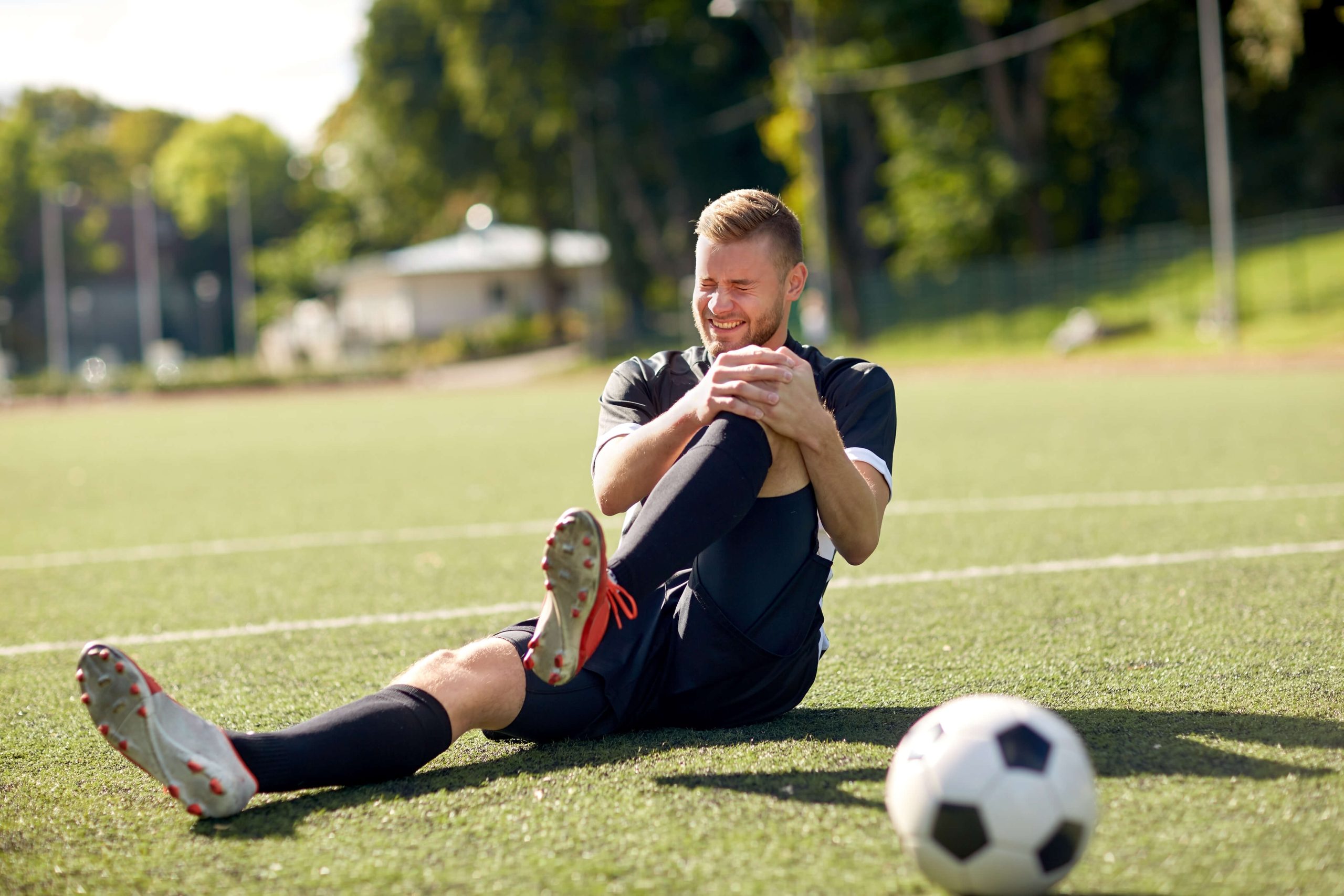
    The players have been conditioning and practicing for months for the start of the season and are ready to give their all for the team. But amid the thrill of competition, a frequent challenge and downside is when players get hurt. Injuries, whether from a hard hit or away from the play, can frustrate individuals and change the course of a team’s season.

    Physical therapists are experts in movement and the human body. They play a crucial role not only in rehabilitating injuries but also in helping athletes reduce their risk of getting hurt in the first place. Understanding the early warning signs and knowing when to seek help is key to staying in the game and performing at your best.

    Warning signs you’re already playing hurt

    In many sports, the “tough it out” mentality is deeply ingrained. Athletes are often praised for their grit and resilience when they play through discomfort. While mental toughness is a valuable trait, there’s a fine line between pushing your limits and ignoring your body’s distress signals. Pushing through pain can turn a minor issue into a severe, long-term problem.

    Whether you’re an athlete yourself or the parent of one, it’s important to listen to the body. An injury doesn’t always begin with sharp, specific pain or a dramatic event. Often, the signs are more subtle. Paying attention to these early symptoms can help you prevent a more significant injury down the road.

    Here are some common warning signs that you or your loved one might be playing hurt:

    • Persistent muscle soreness: While some muscle soreness after a tough workout is normal, soreness that lasts for several days or gets worse over time is a red flag. It could indicate a muscle strain or that your muscles aren’t recovering properly.
    • Nagging or dull aches: A consistent, dull ache in a joint or muscle, even if it’s not intense, shouldn’t be ignored. This is often the first sign of an overuse injury, like tendonitis or a stress fracture.
    • Swelling in a joint: Swelling is your body’s natural response to injury, indicating inflammation. If you notice swelling in a knee, ankle, or other joint, even without significant pain, it’s a clear sign that something is wrong.
    • Loss of motion or stiffness: Are you finding it harder to fully extend your arm or bend your knee? A decreased range of motion is a common symptom of joint or muscle issues that need to be addressed.
    • A feeling of instability: If a joint, like your knee or ankle, feels like it might “give way” during activity, it could signal ligament damage. This instability significantly increases the risk of a more severe injury.
    • Noticeable drop in performance: Are you suddenly slower, less agile, or weaker than usual? If you can’t jump as high or throw as hard and there’s no other explanation, your body might be compensating for an underlying injury.

    Ignoring these signs can increase your risk of more serious injury. What starts as a minor ache that might heal after a few days of rest can escalate, leading to a much longer and more difficult recovery.

    Risks of playing with an injury

    Deciding to play through pain might be rewarded as a demonstration of commitment, but it can do more harm than good. When you continue to compete with an existing injury, you’re not just risking further damage; you’re also limiting your ability to perform at 100%.

    Continuing to play hurt can lead to several negative outcomes:

    • Making the injury worse: A minor muscle strain can become a full tear. A small stress fracture can turn into a complete break. By not giving your body the rest it needs to heal, you risk turning a manageable problem into a season-altering one.
    • Developing chronic pain: When an acute injury isn’t allowed to heal properly, it can lead to chronic pain and inflammation over the course of months or years. This can affect your ability to play your sport at a high level and impact your quality of life even when you aren’t playing.
    • Creating compensation injuries: When one part of your body is hurt, other parts tend to work harder to compensate. For example, if you have a sore knee, you might run differently, putting extra stress on your hip, ankle, or lower back. This can lead to a new injury in a different part of your body.
    • Decreased performance: No matter how mentally tough you are, playing with an injury means you’re not at your best. Pain, stiffness, and instability will limit your speed, power, and agility. You won’t be able to contribute to your team as effectively, and you might even become a liability on the field or court.

    All this isn’t to say that as soon as you don’t feel 100%, you should immediately stop showing up for your team. Rather, it’s about being able to communicate with your coaches what specifically is bothering you.

    Resting, seeking treatment, and allowing your body to heal is not a sign of weakness. It’s a smart, strategic decision that allows you to return to your sport stronger and more resilient, helping to prevent sports injury in the long run.

    How physical therapy helps

    Professional athletes are often surrounded by a team of athletic trainers if and when anything should go wrong during a practice or game. But for student athletes or folks who just enjoy pickup games after work, knowing when something is amiss is just the first step in finding the right care for your goals.

    This is what makes Physical Therapists essential partners in an athlete’s journey. Yes, a PT can help you heal from a torn ligament or strained muscle, but more importantly, they can also identify movement dysfunctions and imbalances before they lead to a debilitating injury.

    Proactive physical therapy can be one of the most effective ways to reduce your risk of injury as you ramp up activity during the fall. Here’s how a physical therapist can help:

    • Injury screening: Therapists can conduct comprehensive screenings to identify areas of weakness, stiffness, or instability that might be making you more susceptible to injury.
    • Personalized exercise programs: Based on your screening, a physical therapist can design a customized program to strengthen weak muscles, improve flexibility, and correct movement patterns. This helps your body move more efficiently and absorb impact better.
    • Movement analysis: They can analyze your specific movements in your sport—like your running gait, throwing motion, or jumping technique—and provide feedback to improve your form and reduce stress on your joints.
    • Early intervention: If you’re experiencing any of the warning signs mentioned earlier, a physical therapist can provide early treatment to address the issue before it becomes severe. This might include manual therapy, targeted exercises, and education on how to modify your activities.

    Think of it this way: seeing a physical therapist for knee pain is a lot easier than going to one after you tear your ACL. Proactive care keeps you healthy, in the game, and performing at your peak.

    Find a physical therapist near you

    Don’t wait for a serious injury to sideline you this fall. If you’re an athlete looking to stay healthy or you’re experiencing any warning signs of an injury, it’s time to be proactive. Taking care of your body is the best way to ensure you can keep playing the sport you love. You can find world-class service for injury prevention and rehabilitation in your own backyard. Visit an Alliance Physical Therapy Partner near you to connect with an expert who can help you reduce your risk of injury and stay on top of your game.

  • MCL Sprain Treatment Time to Recover

    MCL Sprain Treatment Time to Recover

    A medial collateral ligament (MCL) sprain is a common knee injury that can happen to anyone, from athletes pushing their limits to people living their normal life who take a wrong step.

    The MCL, located on the inner side of your knee, plays a key role in stabilizing and moving the joint. A sudden twist, awkward landing, or direct impact can cause this ligament to stretch or tear, leading to pain, swelling, and restricted movement.

    If you’ve been unfortunate enough to sprain or tear your MCL, one of the many questions you have is probably, “How long will it take to get back to my normal activities?” The answer depends on many factors like the severity of the injury, how quickly treatment is initiated, and individual health conditions.

    Types of MCL sprain

    MCL sprains are classified into three grades, with increasing levels of severity. Understanding your injury is the first step toward finding the appropriate recovery.

    Grade 1 MCL sprain (mild)

    A Grade 1 sprain occurs when the ligament is stretched uncomfortably but not torn. Symptoms include mild swelling, tenderness, and discomfort in the knee, but it generally remains stable and functional. You may feel pain when walking or bending your knee, but it’s often manageable.

    Grade 2 MCL sprain (moderate)

    A Grade 2 sprain involves a partial tear of the ligament. This typically results in more noticeable swelling, pain, and instability. Walking can feel challenging, and activities that put pressure on your knee become difficult or impossible. At this grade, the knee joint feels weaker and more sensitive to movement.

    Grade 3 MCL sprain (severe)

    At Grade 3, the ligament is completely torn. Symptoms include severe pain, major swelling, and instability in the knee, making walking or bearing weight almost impossible. This level of injury requires immediate medical treatment and often surgery, which require a more prolonged recovery process.

    Understanding where you fall on this spectrum is essential in estimating your recovery time and planning treatment.

    How long does it take to recover from MCL sprains?

    • Grade 1 sprains: Recovery typically takes 1 to 2 weeks. Most people are able to return to light activities during this period, as long as they follow proper rest, elevation, and gentle exercises as recommended by a physical therapist.
    • Grade 2 sprains: Depending on the extent of the tear, healing can take 2 to 4 weeks. Physical therapy is often required to restore strength and stability.
    • Grade 3 sprains: Recovery may take 8 weeks or longer. Severe sprains often require extensive physical therapy and, in rare cases, surgical intervention.

    Factors influencing recovery

    • Age: Younger individuals tend to heal faster than older adults.
    • Treatment timing: How quickly you start treatment can be a game-changer. Early intervention, including physical therapy, can prevent further damage and help healing progress smoothly.
    • Consistency in treatment: Following your rehabilitation plan consistently—from icing and compression to physical therapy sessions—is critical for effective recovery.
    • Overall health: People with strong overall health and active lifestyles usually recover faster than those with underlying conditions or sedentary habits.

    No matter the severity, even a minor MCL sprain requires time to heal properly. Ignoring the injury or pushing yourself too soon can lead to long-term complications, which is why prioritizing recovery is so important.

    What to do if you think you sprained your MCL

    Think you’ve sprained your MCL? It’s best to see a medical professional to confirm the diagnosis before committing to at-home care. Here’s what to do next to ensure the best recovery outcome:

    1. Stop activity immediately – The moment you suspect an MCL sprain, take weight off the knee. Continuing activity can worsen the damage, so immediate rest or immobilization is critical.
    2. Apply compression and elevation – Use a compression bandage to limit swelling and elevate your leg to reduce inflammation. This provides some pain relief and can help with healing.
    3. Cold therapy – Apply an ice pack to the area off and on during the first 48 hours. This can help control swelling and manage pain.
    4. Seek professional help – Early intervention from a healthcare provider like a physical therapist can significantly shorten your recovery time and enhance your outcome. A qualified therapist can assess the severity of your injury and develop a personalized rehabilitation plan.
    5. Follow a rehabilitation plan – A structured rehab program is essential for restoring knee strength and stability. Physical therapists often incorporate targeted exercises to strengthen surrounding muscles, preserve balance and basic movement, and gradually reintroduce load-bearing activities.

    Find MCL treatment in Blaine, WA

    If you’re looking for a diagnosis of your knee injury or want support in your recovery, Whatcom Physical Therapy can help. Our team of experienced physical therapists is here to guide you through every step of the healing process.

    Don’t wait to start treatment – we can help you start the treatment you need for the best chance at a quick and full recovery as soon as you reach out to our Blaine or Ferndale clinic or request your appointment online today.

  • The 3 most common football shoulder injuries (and how to deal with them)

    The 3 most common football shoulder injuries (and how to deal with them)

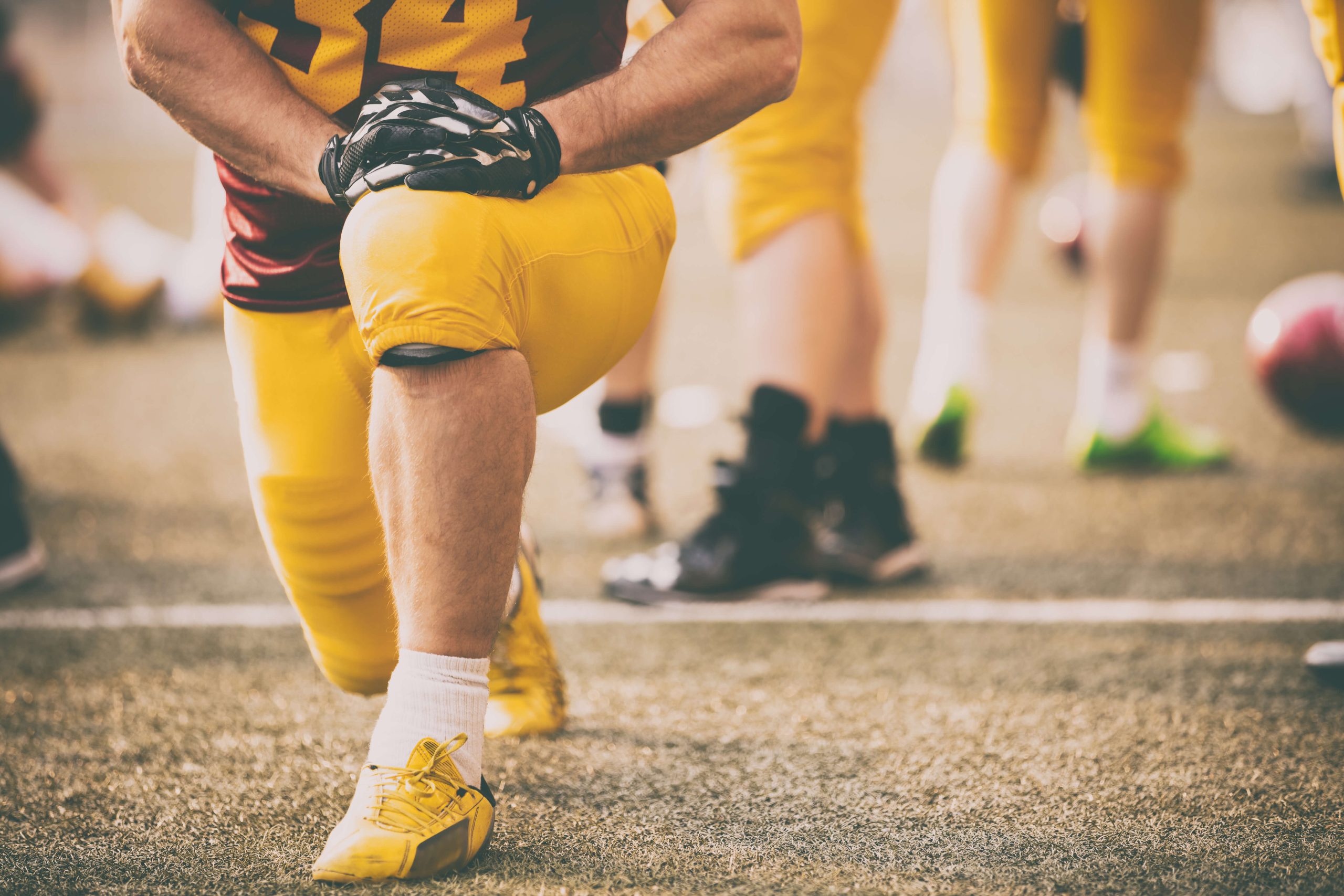
    In the United States, there are an estimated 1.5 million people who actively play football. About 1.2 million people become injured as a result of this sport every year. Of this staggering number, shoulder injuries are one of the most commonly seen types in football players. For more information about specific types of shoulder injuries that are most commonly experienced in this sport, read below. 

    What are some of the most common football-related shoulder injuries?

    • Rotator cuff injuries — Rotator cuff injuries are common in football players. In the rotator cuff, there are several tendons. These tendons can become stretched past their normal limit when athletes make movements that aren’t within their body’s normal range. When the ligaments in the shoulder rub against these tendons, pain and inflammation can occur.
    • Tendinitis — Tendinitis of the shoulder is often a result of overuse. Football players frequently use their shoulders to perform the same repetitive movements during games, and this can cause tendons to become inflamed and painful. 
    • Dislocations — Sudden abnormal movements or collisions can cause the ball of the shoulder to become removed from the joint. Impact to the shoulder from a rough tackle or the wrong overhead throw can cause a serious dislocation.If you’re a football player, you know that playing football with shoulder injuries can be frustrating and painful. Here’s how you can deal with them.

    How can you deal with football-related shoulder injuries?

    • Physical therapy care — Physical, occupational or an upper extremity therapy specialists are excellent treatment resources for football players with injuries. These therapy professionals found in rehabilitation and sports clinics are knowledgeable and experienced in all kinds of sports injuries and how to treat them quickly and as painlessly as possible. They can help break up scar tissue from older injuries for better mobility, increase flexibility and range of motion, build strength in the shoulder and surrounding muscles, and much more.
    • Fitting, protective gear — Ensuring that, as a player, you have gear that is best fitted to you is one way to help prevent future injury to an affected area. This method is best supplemented with rehabilitation in a clinic but is just as important.

    Excel Rehab & Sports can provide you with relief for your football-related shoulder injuries

    Are you looking for a rehabilitation and sports clinic to help you treat your shoulder injuries from playing football? Learn how the physical therapists at Excel Rehab & Sports can help you address your shoulder pain. If you have any questions or there is something you’d like to speak with one of our specialists about, feel free to give us a call or schedule an appointment with us. At Excel R&S, our specialists have been professionally trained in identifying health conditions like shoulder pain in athletes and getting to the root of the problem. Consider looking into our many resources and specialties. We’re ready to answer all your questions, talk about options for care and advise you on your physical health journey! Out of our six locations in both Tennessee and South Carolina, you’ll be sure to find effective physical therapy treatment in your area.

    Contact our team today for more information or to schedule an initial appointment. 

  • Exercises to Prepare for Skiing and Snowboarding

    Exercises to Prepare for Skiing and Snowboarding

    Ski season is here, which means it’s time to carve through fresh powder, enjoy the breathtaking views, and make memories with those après-ski firepit moments. However, as every winter sports enthusiast knows, skiing and snowboarding aren’t just about fun and games—they’re also physically demanding.

    For beginners especially, ski trips can quickly turn from thrilling to exhausting (and sometimes painful) without the right preparation. That’s why it’s so important to train your body in advance. Strengthening key muscles, improving balance, and building endurance will ensure you get the most out of your time on the mountain while minimizing discomfort and risk of injury.

    Why prepping for ski season is important

    If you’re not a seasoned winter sports enthusiast, your body might not be used to the unique movements and exertions of skiing or snowboarding. Prepping properly ensures you can keep up with the physical demands while protecting yourself from run-ending injuries.

    Preventing injuries

    Skiing and snowboarding utilize muscles you probably don’t use in daily activities, making it easy to strain unprepared muscles or joints. A solid ski workout helps reduce the risk of common injuries such as knee injuries or lower back strains by improving muscle strength and stability throughout your legs, core, and whole body.

    Improving performance and enjoyment

    Stronger, preconditioned muscles allow you to control your movements better, whether you’re gliding down a groomed slope or navigating moguls. This translates to more confidence, smoother glides, and an overall better experience on the mountain.

    Reducing recovery time

    When your muscles are strong and your whole body is used to more intense exertion, you’ll be able to recover faster during and after your active days on the slopes. This means less soreness in the evenings and more energy to enjoy the next day’s adventures.

    Building sustainable energy levels

    Training for endurance ensures you won’t crash out before evening activities. A mix of cardio and strength-building exercises can keep your energy steady throughout the day, letting you savor the rush of each run rather than focusing on how much your legs are burning.

    Ski exercise examples and ideas

    Fortunately, you don’t need fancy workout equipment or a gym membership to prepare for ski season. There’s a lot of foundational strength training you can do yourself at home to get ready for an upcoming trip.

    • Wall sits: Wall sits are perfect for strengthening your quads, glutes, and hamstrings with the constant use they’ll be getting while skiing or snowboarding. Aim for reps of at least 30 seconds to start building the endurance you’ll need for being on your feet all day.
    • Squats: Your legs will be doing a lot of work absorbing shock, controlling your speed, and maneuvering the trail, so the stronger they are, the more stable and enjoyable your runs will be.
    • Calf raises: Especially for snowboarders, your ankle movements help control direction and speed, meaning your calves need to be strong to make those movements against the forces of speeding downhill.
    • Push-ups/planks: Strengthening your upper body is still key despite how active your legs will be while skiing. Skiers will be using poles and anyone going downhill will need their core and arms for balance.

    Keep in mind that the best preparation advice won’t be found online, but rather through a conversation with an expert ski trainer and physical therapist. At Therapydia, our PTs specialize in all kinds of sports and hobbies, including skiing and snowboarding, to help you get the performance advice and injury prevention tips you need to have the best time of your life on the slopes.

    Personalized preventative ski exercises from Therapydia

    Whether you’re looking forward to your first time on a ski trip or are re-discovering the joys of years gone by, the right preparation can make all the difference between a great time and a painful time. So while basic exercises like wall sits, squats, and push-ups are excellent, they’re not a one-size-fits-all solution. Your fitness level, skiing experience, and personal goals may require a more tailored approach.

    The physical therapists and athletic trainers at Therapydia are well-experienced in the demands of ski season, no matter what your sport of choice is. We’ll help you find the right injury prevention plan, strength conditioning exercises, and if needed, injury rehab program to help you enjoy this wonderful time of year. Start a conversation about how we might be able to help by calling one of our nearby clinics or by scheduling an appointment online today.

  • 5 benefits physical therapy can provide those training for winter sports

    5 benefits physical therapy can provide those training for winter sports

    Athletes who play winter sports spend the summer and fall training for strength, conditioning their bodies, and perfecting their form and technique. The work you do during the offseason pays off during practice and your final performance. A physical therapist can help you achieve your best outcomes every step of the way.

    Basketball, gymnastics and swimming are considered winter sports because competitions take place during colder months. Winter sports also include:

    • Hockey
    • Figure skating
    • Speed skating
    • Skiing
    • Snowboarding 

    In this blog post, we’ll discuss how physical therapy can benefit athletes training for winter sports.

    5 benefits physical therapy can provide athletes training for winter sports

    Winter sports are extreme, which makes them thrilling and a bit risky. Many of them are also individual sports. As a solo athlete, you need multiple coaches and trainers on your “team.” A physical therapist can help you make sure your body is conditioned for your specific sport. They can also help you prevent injuries and achieve your best possible performance.

    Your physical therapist can help with these five aspects of training for winter sports and more:

    1. Performance enhancement — Your PT can show you sport-specific exercises and dynamic stretches you can practice to improve your performance during practice and competition.
    1. Conditioning and injury prevention — You’ll need strength, stability and flexibility to avoid injuries as much as possible. Your PT can prepare you with conditioning and education on techniques for injury prevention.
    1. Addressing known conditions — If you have an existing health condition that might be aggravated during practice or competition, a PT can help you modify your training program to account for it. They can also provide treatments for pain management and advise you on how to take care of yourself.
    1. Education — Cold temperatures, dry air and high altitudes can affect how your body functions. Your PT can help you learn about the hazards of your particular sport and how to keep yourself safe.
    1. Personalized training programs — You should have a training program that’s tailored to your body, areas where you need improvement and your performance goals. A physical therapist can create an individualized treatment and training program for your unique needs.

    Many athletes who play winter sports only get a few minutes to perform. Whether you’re charging down a snowy slope or spinning on ice, it’s the work you do to prepare that makes all the difference. A Back in Motion physical therapist can create a unique program to help you achieve your goals and stay injury-free.

    Are you training for a winter sport right now? We can help. Call us or request an appointment today.

  • 6 common injuries in hockey that can be prevented

    6 common injuries in hockey that can be prevented

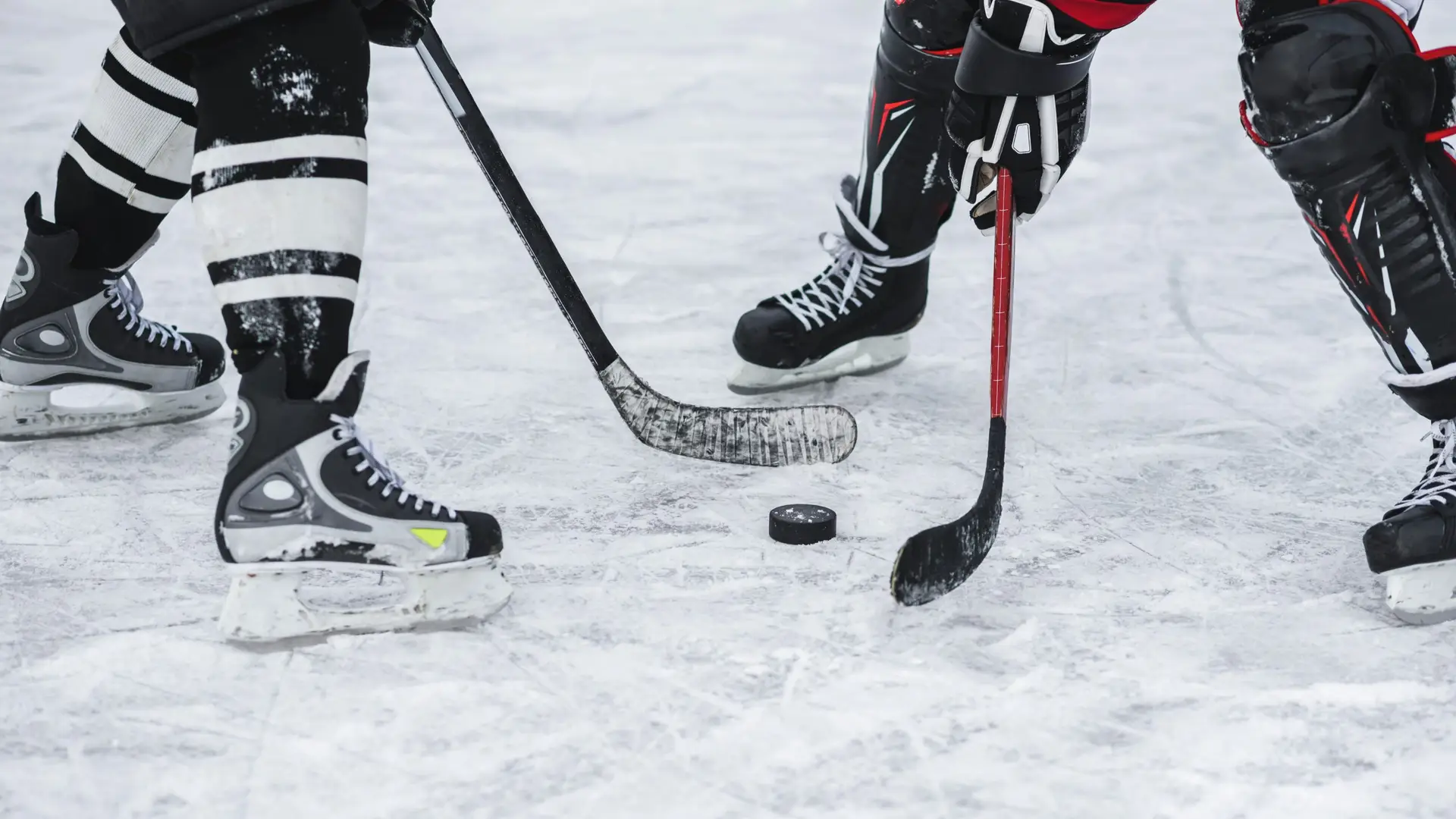
    Hockey is notorious for being a high-impact sport. Gliding across the ice on skates, players can reach high speeds very quickly. The maneuvers it takes to come to a stop are enough to pull a muscle, and hitting the boards or other players can result in traumatic injuries. 

    As physical therapists, we help hockey players with conditioning to help prevent injuries and with recovery. In this blog post, we’ll discuss six common hockey injuries and how to prevent them.

    6 common hockey injuries that can be prevented

    While shoulder checks and collisions aren’t always avoidable, there are some ways that hockey players can reduce their chances of serious injury. Wearing protective gear that fits properly and warming up with dynamic stretching every time you take to the ice are both important preventive measures. Concussions and traumatic injuries happen even to the most cautious and prepared players. However, players who condition their bodies with physical therapy can sometimes minimize damage from injuries and recover a bit faster than they otherwise would. 

    The following is a list of common hockey injuries with strategies for prevention:

    • Knee sprains and tears — Medial collateral ligament (MCL) sprains and tears are some of the most common injuries among hockey players, and anterior cruciate ligament (ACL) injuries can also happen.
    • Pulled muscles — Coming to a stop and changing directions can exert a lot of force on certain muscles. The groin, adductors, hamstring and back are commonly affected.
    • Separated shoulder — Both shoulder checks and running into the boards can partially or completely tear the ligaments that attach the collarbone to the shoulder blade. 
    • Elbow sprains and bursitis — Hockey players risk elbow injuries when they brace themselves for a fall or take direct blows. While bursitis is sometimes an overuse injury, it can also be a result of a traumatic injury.
    • Wrist sprains and fractures — Like elbow injuries, wrist sprains and fractures are also a hazard of collisions and falls.
    • Ankle sprains — Wrenching your skates to a stop at high speeds or colliding with other players head-on can cause an ankle sprain. 

    How can physical therapy help prevent hockey injuries?

    Along with education about healthy movement and injury prevention, physical therapists help hockey players with strength training and conditioning. Creating balance in your weight training workouts helps ensure that your joints and other support structures in your body are stable. A physical therapist can also help ensure that you have strength in all the places that are vulnerable to injury, such as the arms, chest and lower back. You also need flexibility and range of motion because muscles that are tight and stiff are more vulnerable to injury. 

    Your physical therapist can help you create a warmup routine to engage the muscles you’ll be using most and the places that are vulnerable to injury. They can also talk with you about the nutrition you’ll need to support your activity during practices and games. Working with an Armor Physical Therapy PT ensures that you get individualized attention. Your PT can adjust your workout program as things change and help prevent overuse injuries as you start to notice pain.

    Are you looking for a physical therapist to help you prevent hockey injuries? Call us or request an appointment today.

  • 5 tips for runners who are just starting out

    5 tips for runners who are just starting out

    Are you trying to improve your running performance? Whether you’re starting for the first time or returning to running after a sports injury, starting with the basics is a good idea. Running is an excellent way to improve your fitness, clear your mind and maintain good health. It can feel overwhelming at first, though. By following some helpful pointers for beginners, you can start your running journey off on the right foot.

    5 helpful running tips for beginners

    • Start small — Starting on paved roads and sidewalks can help. Off-road trail running can be more risky, potentially leading to falls and injuries. Trail runners often experience overuse injuries as well. According to one study, more than 70% of trail running injuries are caused by overuse. Be patient and set achievable goals. You can always move to longer and more challenging runs as you progress.
    • Wear the right shoes — Good footwear can have a major impact on your running comfort and performance. Make sure to find well-fitting shoes that support the natural contours of your feet.
    • Practice form — Good running form can help you move more comfortably and efficiently. To maintain good form, make sure to keep your back straight and engage your core. Expert gait training can help you further improve your form and reduce your risk of injury. 
    • Maintain consistency — As with any exercise routine, consistency is key to success in running. Setting a regular time for your runs can be a helpful way to create consistency. Going with a group can be helpful as well, as they can keep you accountable.
    • Stay safe — While running can have great health benefits, it can sometimes take a toll on your body. If you push yourself to keep running while experiencing pain and discomfort, you may be at risk for injury. Listening to your body is crucial to staying safe as a runner. Physical therapy can help you continue improving your performance while avoiding preventable injuries.

    Whatcom Physical Therapy can help you improve your running form and regain your athletic abilities after injury

    Want extra support as you start running? Whether you want to return to running after an injury or you’re approaching the activity for the first time, Whatcom Physical Therapy can help you achieve your goals. Our team offers a range of treatments geared toward rehabilitating patients and improving physical performance.

    Call us or request an appointment today to learn more about how we can help you improve your gait, balance and more.

  • 3 ways a physical therapist may rehabilitate sports injuries to as you start the school year

    3 ways a physical therapist may rehabilitate sports injuries to as you start the school year

    Athletes of any age are susceptible to injury, no matter what sport they play. If you sustained a sports injury during the summer, you may be concerned about returning to school if you’ll be playing a sport on a school team. It’s also possible that you’re in a recreational league. The good news is that a physical therapist can help.

    Through sports injury rehabilitation, your physical therapist can help you recover from a sports injury. They can also reduce your pain and help you boost your athletic performance. We’ll discuss what you can expect from sports injury rehabilitation.

    3 ways that sports injury rehabilitation can help you as you start the new school year

    Sports injury rehabilitation works for many athletes because it’s multifaceted. It not only addresses current symptoms, but it also improves the overall quality of the affected area. This can increase your sports performance and reduce the risk of future injuries or issues. Here are three benefits of seeking PT for sports injury rehabilitation:


    • Reducing pain — It’s difficult to perform at your highest athletic ability when you’re feeling an ache with every movement. Sports injury rehabilitation can help alleviate pain through manual therapy techniques. These may include joint mobilization for an injured ankle or soft tissue mobilization to release muscle tension in your back.

    • Improving strength and flexibility — Exercises are essential in every aspect of sports. You need to exercise as part of your training to prevent injuries. You also need to improve your strength and flexibility if you’re affected by an injury. A physical therapist can show you exercises that will strengthen your muscles. Increased strength helps with stability and endurance. You’ll also learn stretches that will increase your flexibility for greater mobility.

    • Regaining sport-specific skills — Every sport is different, and so are the skills needed to be successful in them. A basketball player needs to shoot a basketball with movements that are different from throwing a football. A physical therapist can help you get ready to play in the new year following an injury as you regain your ability to safely and effectively perform sport-specific skills with the proper biomechanics and movement patterns.

    Border Therapy Services can provide sports rehabilitation for the new school year

    While it can be frustrating to be injured before going back to school, the physical therapists at Border Therapy Services can use sports rehabilitation treatments to help you recover from your injury and get ready to jump back into the game.

    Call us or request an appointment today for sports injury rehabilitation.

  • 3 sports and the most commonly associated injuries

    3 sports and the most commonly associated injuries

    Every type of sport can lead to an injury. You can strain your shoulder while swinging a golf club, or you can get a bruise when you fall off the balance beam in gymnastics. When you play a specific sport, it’s important to know about the particular injuries that you’re the most susceptible to so that you can be more cautious and take preventive measures.

    We’re going to talk about the injuries that are commonly associated with three sports: basketball, football and swimming.

    Common basketball injuries

    Basketball players constantly sprint, jump and pivot quickly; these types of movements can make them susceptible to many injuries that happen quickly or build over time. In 2022, more than 310,000 injuries were sustained from basketball, the majority of which were in the 15-24 age range.

    Here are common basketball injuries:

    • Ankle sprain — The most common injury for basketball players is an ankle sprain. It occurs when the ligament becomes overstretched or torn when the ankle turns inward.

    • ACL tear — A basketball player can tear their anterior cruciate ligament (ACL), which is located in the knee and works to stabilize the knee. When a player quickly changes direction, they could sustain an ACL tear.

    Common football injuries

    Football players put their body through a lot, as it’s a contact sport that involves a lot of blunt force and collisions with other players. According to data from 2022, there were more than 260,000 football injuries. More than 145,000 of those were sustained by those between the ages of 5 and 14.

    Here are common football injuries:

    • MCL sprain — The medial collateral ligament (MCL) connects the shinbone to the thighbone. In football, it can be sprained by a tackle or quick twisting movements, leading to pain and a popping sensation on the inside of the knee.

    • Meniscus tear — There’s a piece of cartilage on either side of the knee, called a meniscus, that acts as a cushion between the shinbone and thighbone. A meniscus can tear due to quickly stopping, starting and pivoting. Kicking the ball can also impact the meniscus.

    Common swimming injuries

    Swimming requires a lot of repetitive motions, especially leg and overhead movements, so it’s not uncommon for swimmers to develop painful injuries over time. For every 1,000 hours of training, a swimmer is likely to sustain more than three injuries. 

    Common swimming injuries:

    • Swimming shoulder — The most common swimming injury is known as swimming shoulder. It can develop from overuse due to the repetitive over-the-head movements that are required of most strokes.

    • Swimmer’s knee — It’s possible for the medial collateral ligament in the knee to become strained while performing the breaststroke. The repetitive flexion and external rotation puts excessive strain on the ligament, leading to inflammation and pain.

    At Border Therapy Services, we can help nearly any athlete get back to their sport after sustaining an injury. With treatments like manual therapy and dry needling, we can reduce your pain and restore your mobility so you can continue improving your sports performance.

    Call us or request an appointment today for help with treating sports injuries.

  • What are the key differences between acute and chronic sports injuries?

    What are the key differences between acute and chronic sports injuries?

    When you play sports, you’re constantly at risk of sustaining an injury. But like all types of injuries, not all sports injuries are the same. A scrape on the knee and a dislocated shoulder are drastically different issues that require different treatments. The same goes for acute and chronic sports injuries.

    While both acute and chronic sports injuries require the right care, it’s important to learn about the key differences between them. By learning about what separates an acute from a chronic sports injury, you can gain a better idea about what they feel like and the best way to approach treatment.

    Defining the differences between chronic and acute sports injuries

    Let’s start with the basics. The word “acute” means severe or sudden, while “chronic” means persistent or recurring. In a medical sense, an acute injury or condition comes on suddenly from trauma. A chronic injury develops gradually over time, often due to overuse.

    The onset duration is the main difference between acute and chronic sports injuries. Here are a few of the other key differences: 

    • Pain — Acute injuries often cause severe, sharp pain. Pain associated with a chronic injury may be referred to as a dull ache that worsens with movement. 
    • Visible symptoms — A chronic sports injury often won’t have visible symptoms, while acute injuries tend to cause dislocations or deformities. 
    • Reduced movement — A chronic injury tends to cause swelling that interferes with the area’s muscles’ and joints’ ability to move comfortably. An acute injury can cause a reduced range of motion of the joint, along with muscle weakness.

    Examples of acute versus chronic sports injuries

    If you’re unsure what qualifies as an acute or chronic sports injury, here are a few examples that may help:

    Acute sports injury examples:

    • Collision with another player
    • Getting hit with a ball
    • Sprained ankle

    Chronic sports injury examples:

    Border Therapy Services can help treat both acute and chronic sports injuries

    Whether you’ve had an unexpected accident while playing a sport or you’ve put excessive strain on your muscles over time, we can help you alleviate your symptoms and get back in the game.

    Common physical therapy treatments like manual therapy, targeted exercises and other modalities can help both acute and chronic sports injuries. However, the approach for each might be different. For example, a person with an acute sports injury, like a dislocated shoulder, can’t go through the same exercises that a person with a muscle strain can. 

    At Border Therapy Services, we’ll create a personalized treatment plan specifically for your sports injury to ensure that it’s treated as safely and effectively as possible.

    Call us or request an appointment today for treatment for acute or chronic sports injuries.

  • Why do my ribs hurt after running? 4 potential causes

    Exercise can benefit both your physical and mental health. For many people, running is a fun and effective way to work out or part of playing a sport. But it’s also possible to feel the effects of the physical strain after you stop running.

    Running can release endorphins, which are neurotransmitters in your brain that improve your mood. But what if instead of a euphoric feeling after running, referred to as a “runner’s high,” you can only focus on your ribs hurting? We’re here to talk about the possible reasons behind the pain. 

    We’ll talk about possible reasons that your ribs hurt after running and how a physical therapist can help reduce it from recurring in the future.

    4 potential causes for your ribs hurting after running

    Running is a common activity in an active lifestyle, whether that means jogging around the park or running while playing sports. But if your ribs hurt after running, it can make you lose motivation to continue your health and wellness journey. 

    By learning about the possible reasons that your ribs hurt after running, you can determine the best ways to reduce the pain and prevent it from being a regular ache. Some are temporary, while others are injuries that need to be properly addressed.

    Here are four potential reasons that your ribs hurt after running:

    • Side stitch — One of the most common reasons for rib pain from running is a side stitch, which refers to a diaphragm spasm. It’s described as a sharp, localized pain. Even though it mostly occurs during exercise, such as running, it can be painful enough to make you stop your workout, with the pain continuing for several minutes afterward.
    • Poor posture — Your posture refers to the positioning of your body during every type of movement, including running. If you’re bending your body forward as you run, or your shoulders are slouched, you’re putting excessive strain on your rib cage with every step.
    • Intercostal muscle strain — While you’re breathing, there are muscles located between your ribs to stabilize your rib cage. When these muscles are overused, they can be torn or overstretched, resulting in pain and soreness. It can be caused by improper warmups or rapidly increasing your mileage. It can cause pain as well as tenderness and a feeling of tightness in the muscles.
    • Stress fracture — When you fracture a rib, the pain tends to worsen gradually over several weeks, but it commonly flares up during exercise, such as running. You may also see bruising or swelling. A stress fracture on your ribs occurs when there is too much stress on the muscles due to repetitive movements. It can also stem from trauma, such as a sports injury, car crash or fall.

    Physical therapy can help if your ribs hurt after running

    While there are some causes of rib pain that are temporary and can be brushed off, such as a side stitch, it’s still important to learn how to prevent them from being a recurring issue so that you can continue running without feeling pain afterward. If you have an injury that caused your rib pain, like an intercostal muscle strain, there are pain management techniques that can speed up recovery. Physical therapy can help with both.

    If your ribs hurt after running, a physical therapist can help you reduce the pain while increasing the strength of the affected muscles. Here are a few ways that physical therapy can help rib pain after running:

    • Manual therapy — If you’re feeling rib pain due to injuries like a muscle strain, a physical therapist can use manual therapy techniques to alleviate the ache. They can use their hands for soft tissue mobilization, which involves them using their hands in gentle massage-like movements to release the tension.
    • Posture correction — Posture plays an important role when you’re doing repetitive movements like running. If your ribs hurt after running due to poor posture putting excessive strain on them, a physical therapist can help you make corrections. With postural adjustments, you can reduce the pressure placed on your ribs while exercising.
    • Breathing exercises — If you’re not able to properly maintain your breathing while running, you’re likely to feel a side stitch during or after the exercise. A physical therapist can teach you how to control your breathing while exercising to reduce the risk of rib pain.

    Specialists in Sports and Orthopedic Rehabilitation can help if your ribs hurt after running

    Running can offer many benefits for your overall health and wellness, so you shouldn’t let rib pain get in the way of that. If your ribs hurt after running, a physical therapist can help you determine the likely cause as well as design a personalized treatment plan. Not only can they help your current rib pain, but they can help you reduce the chance of feeling it again in the future.

    Contact our team today to discover more information about all our PT services or to set up your initial appointment with us. 

  • Sports rehab physical therapy for student-athletes

    Sports rehab physical therapy for student-athletes

    Student-athletes put their body through a lot. Regardless of the sport, they’re putting excessive strain on their muscles, joints and tendons. There is also a risk of injury for any type of athlete. But even if you can’t completely eliminate the chance of getting hurt from playing a sport, you can find reassurance in knowing that sports rehab and physical therapy can get you right back into the game after an injury.

    Sports rehab and physical therapy can help student-athletes heal from an injury and restore their body’s overall quality to improve their performance. But how? That’s what we’re here to answer.

    Read on to learn about the basics of sports rehab and physical therapy for student-athletes, what sports rehab and physical therapy can treat, and common techniques that it might involve.

    The basics of sports rehab and physical therapy

    Sports rehab and physical therapy for student-athletes go hand in hand when it comes to an injury because they’re both incorporated into sports medicine. It’s also important to note that sports rehab is usually facilitated by a physical therapist. The goal is to use sports rehab techniques to help heal an injury, and then restore the athlete’s strength, flexibility and range of motion that may have been affected. 

    Sports rehabilitation helps an injury’s healing process by:

    • Reducing pain.
    • Increasing strength and flexibility.
    • Restoring range of motion.
    • Relearning sport-specific techniques.
    • Reducing the risk of re-injury.

    The physical therapy follows the sports rehabilitation and continues the recovery process by improving the student-athlete’s overall athletic performance and reducing the risk of future injury.

    5 injuries that sports rehab and physical therapy can treat for student-athletes

    There is no shortage of potential injuries that a student-athlete can sustain while playing, and the possibilities can vary from sport to sport. But there are many common injuries that can be treated with sports rehabilitation and physical therapy. 

    Five injuries that can be treated with sports rehab and physical therapy are:


    • ACL tear — The anterior cruciate ligament, or the ACL, is located in the center of the knee and prevents the shinbone from sliding in front of the thighbone. This ligament can be torn while playing sports due to sudden twisting movements. An ACL tear can result in pain, instability and swelling. Physical therapy, post-surgical repair, is integral to a safe return to sport.

    • Hamstring strain — Sometimes referred to as “pulling a hamstring,” a student-athlete can strain their hamstring, which is located in the back of the thigh. If the muscles are overloaded, they can stretch too far and even start to tear. It can range from Grade 1, a mild strain, to Grade 3, a complete tear.
    • Shoulder injuries — As nearly every sport requires a lot of shoulder movements, student-athletes are no strangers to shoulder injuries. An injury to the shoulder can refer to a dislocation, sprain, or strain that’s usually caused by overuse or blunt trauma while playing.

    • Concussion — If a student-athlete gets hit in the head by a ball or their head hits the ground with force during a fall or tackle, there’s a chance that they have sustained a concussion. A concussion is a traumatic brain injury that can cause a variety of symptoms, including headaches, memory loss and nausea.

    • Ankle sprain — An ankle sprain can be caused by changes in direction, being hit or simply rolling the ankle and can be extremely painful. Physical therapy can help in reducing pain and restoring strength and stability in that area for return to sport.

    3 common sports rehab and physical therapy techniques for student-athletes

    A sports rehab and physical therapy treatment plan will be devised with exercises, modalities and manual therapy to help treat the injury. The physical therapist will determine what works best based on the student-athlete’s  condition, the severity of their injury and their personal capabilities. The goal is to help with pain management as well as restore the student-athlete’s body’s overall function to increase their athletic performance after the injury heals.

    Three common sports rehab and physical therapy techniques are:


    • Exercises — One of the most effective ways to rehabilitate a sports injury is with strengthening and stretching exercises. A physical therapist will walk the patient through exercises to increase the strength and flexibility of the muscles, ligaments and tendons in the affected area. These exercises will also decrease the pressure placed on surrounding joints as well as the risk of future injury.

    • Kinesiology taping — Depending on the injury/location, this can be used to provide stability, facilitate healing, or provide sensory feedback to encourage muscle activation.

    • Manual therapy — Many sports injuries cause soft tissue to tighten up and cause pain as well as restrict movement. There are a variety of manual therapy techniques that involve a physical therapist using their hands to break up soft tissue and mobilize the patient’s joints. It helps alleviate pain and increases the affected area’s range of motion.

    Advent PT can provide sports rehab and physical therapy for student-athletes

    When a student-athlete gets injured, there is a fear that they won’t be able to play to their full potential even after the injury heals. But with the proper sports rehab and physical therapy, they can get right back onto the field. And that’s where we come in.

    Contact our team today for more information or to schedule an initial appointment.

When Was Your Appointment?

We recently changed bill pay providers. Please click the button for the date of your appointment to be directed to the correct online payment portal.