Please ensure Javascript is enabled for purposes of website accessibility

Category: Sports Injury

  • Seeing stars: Warning signs of a concussion and steps to take after injury

    Seeing stars: Warning signs of a concussion and steps to take after injury

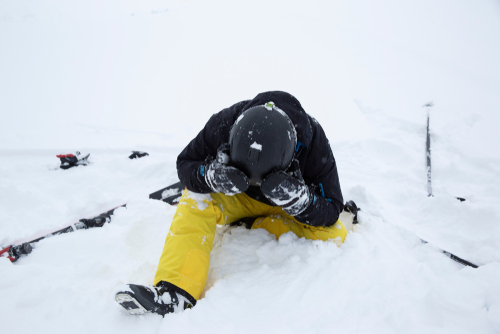
    With the winter sports season starting up, it’s a good time to talk about the risks and warning signs of a concussion. Winter sports like hockey, skiing and snowboarding can put athletes at risk for sustaining a traumatic brain injury. In fact, the likelihood of an athlete in a contact sport experiencing a concussion can be up to 19% per season. Even outdoor recreation like playing in the snow could lead to a head injury. Being aware of the signs and symptoms of a concussion can help you better manage your symptoms and prevent further, more serious injuries.

    What is a concussion?

    A concussion is a type of traumatic brain injury caused by a blow to the head. It can also be caused by any injury in which the head moves rapidly back and forth — for example, as a result of whiplash in a car accident. This type of rapid movement can cause your brain tissue to stretch, damaging brain cells. In turn, damaged brain cells can have a harder time functioning and communicating. While getting a concussion isn’t necessarily life threatening, the effects of a concussion can be life changing if not addressed quickly. 

    What are some concussion early warning signs?

    Whether you have a concussion is not always clear. Many times, concussion symptoms can be subtle, only appearing over time as headaches, confusion and memory loss. Symptoms can last for days or weeks. If you’re feeling any of the following symptoms after a hit to the head or body, getting examined by a physician is a good idea:

    • Sensitivity to light.
    • Excessive sleepiness. 
    • Fogginess. 
    • Visual problems.
    • Difficulty concentrating.
    • Drowsiness.
    • Balance.
    • Sensitivity to noise.
    • Symptoms that get worse when focusing.

    Recognizing some of these symptoms can help you report them to medical professionals who can then help you prevent and minimize worsening symptoms down the road. If you’ve noticed that your symptoms have already worsened, or that you have experienced vomiting and nausea, you should seek medical attention immediately. 

    What can you do to minimize your risk of further injury?

    There are many tests that screen for concussion so that you can catch it early. These tests can measure skills such as your reaction time and ability to concentrate. If you are found to have a concussion, you can quickly get started on a concussion management program that protects your brain from further injury.

    Returning to a sport or work before symptoms are resolved should be avoided. Doing so can cause more damage or even another very serious injury. This kind of injury is called second impact syndrome, or repetitive head injury syndrome. Repeated concussions not only increase the risk of further concussion but have also been associated with early-onset dementia.

    Making a gradual return to activities that may result in physical contact, such as sports, can help you re-acclimate your body to high-impact activities. A similar graduated return to classroom and work activities is also a good idea.

    Education programs can help parents, athletes and coaches learn about concussion management so that they can prevent them from happening in the first place.

    How can you treat early concussion symptoms?

    Shortly after you sustain a concussion, your doctor may recommend that you be hospitalized overnight for observation after a concussion. This observation period is a protective measure to ensure that you have not sustained a serious traumatic brain injury such as internal bleeding.

    In less serious cases, concussion symptoms often resolve on their own with rest and pain medication. However, while rest is often cited as an effective concussion treatment, recent studies suggest that rest alone can actually slow down the recovery process. Physical therapy can therefore be a major asset to the recovery process and can even help you return to regular activities faster. In fact, a study showed that physical therapy exercises can improve patients’ Post-Concussion Symptom Scale (PCSS) score. 

    Physical therapists can use therapeutic techniques geared toward retraining your balance center to help you recover from a concussion. More specifically, treatments like vestibular therapy can address dizziness and body stabilization, as well as reduce your risk of falling due to imbalance. In addition, gait training exercises can help you regain a steady walking pattern.

    Find help for a concussion at Back in Motion Physical Therapy

    Concussions have been a big topic of conversation in the media lately. They also carry some fairly significant consequences if not well managed. Recognizing some of these early symptoms, managing the symptoms appropriately, and reporting symptoms to trainers and doctors are the best ways to prevent or minimize excessive head trauma and residual symptoms down the road. You can also find help for these symptoms from our Back in Motion Physical Therapy team. 

    We offer free screenings that can help determine if your symptoms are being caused by a traumatic head injury. Our therapy specialists can also build you an individualized treatment plan intended to reduce your symptoms. We even offer services that you can use from home, including virtual care and at-home therapy. 

    Contact us today for more information about our available physical therapy services or to schedule an initial appointment. 
  • Discover the top 4 baseball-related hand injuries

    Discover the top 4 baseball-related hand injuries

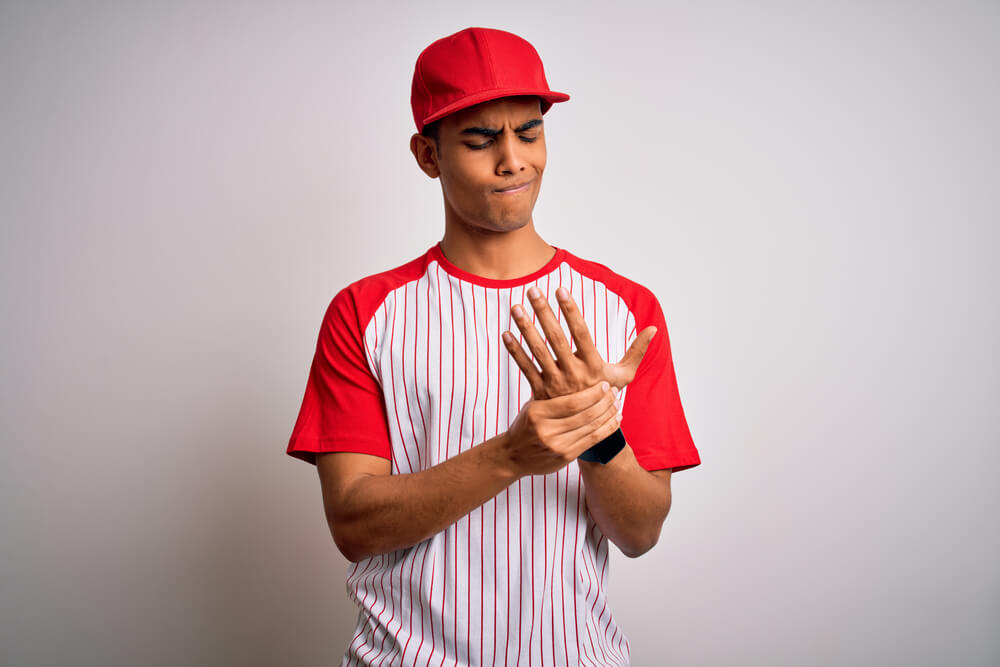
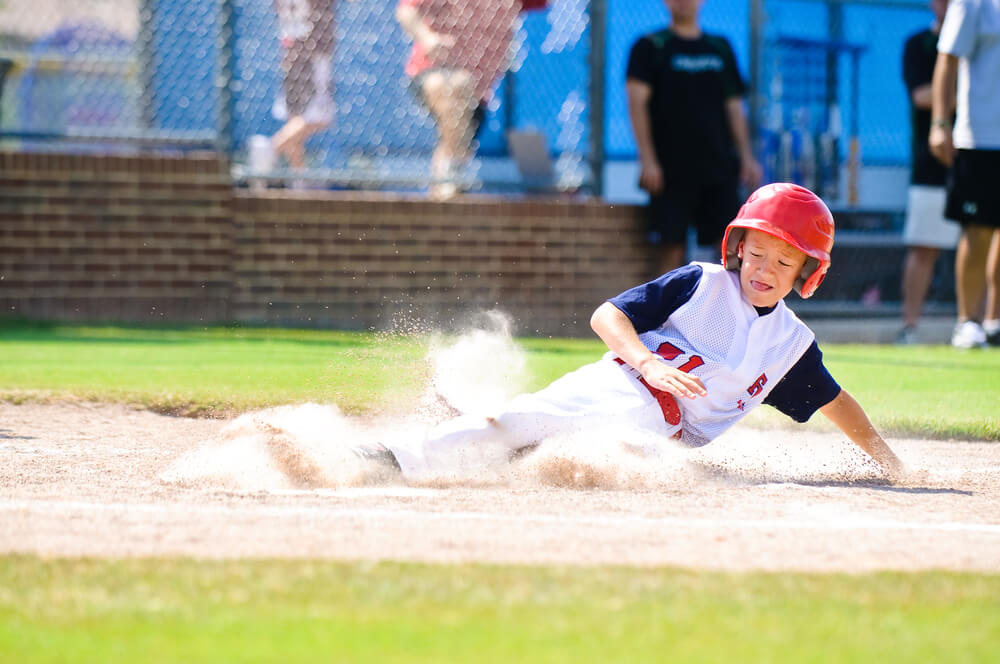
    Baseball-related hand injuries are very common. Baseball players are susceptible to certain types of upper extremity injuries due to the nature of the sport. Many of these types of injuries are the result of sudden impact or overuse.

    It’s important for the players, coaches, and even parents of the players to understand the different types of injuries that may result from playing. Knowing what types of sports injuries players can sustain and how they can be best treated can prevent worsening injury and even future injury.

    4 common hand injuries that baseball players suffer

    • Metacarpal fractures — Many baseball players get metacarpal fractures in their nondominant hands, as the result of a baseball striking their hand. It generally can take a few weeks to be able to return to play for those with this injury.
    • Hamate hook fracture — This type of fracture most frequently occurs in batters. The fracture often occurs when a swinging bat hits the hamate bone in the hand. It can take six to eight weeks to be able to return to play with this type of injury. 
    • Finger proximal interphalangeal (PIP) joint sprains — This type of sprain is also known as a finger jam injury and involves the finger joints. In baseball, sprains like these frequently aren’t given as much importance and healing time as they should.
    • Mallet finger — This type of sprain is less common than PIP sprains. It involves the tendon near the end joint of a finger. When you have a mallet finger, you are not able to straighten your finger out.

    How can physical therapy help players with these types of baseball-related hand injuries?

    If you or your baseball player has sustained one of these injuries, physical therapy can be beneficial for several reasons. PT treatment can help players avoid re-injury that could elongate healing time. They can also help promote injury stability and even alleviate pain and discomfort. If a player has an upper extremity injury that requires surgical treatment, physical therapists can guide them through the rehabilitation process and optimize mobility.

    Schedule a physical therapy appointment to treat your baseball-related hand injury

    Don’t let a lingering hand injury prevent you from returning to play. The physical therapists of Peak Performance Sports and Physical Therapy understand how hand injuries from baseball can affect your performance and quality of life. 

    If you or someone you know is suffering from a baseball-related injury that is affecting your sports performance and day-to-day life, contact us today for more information or to schedule an initial appointment.
  • 5 sports injuries that are the worst for athletes

    5 sports injuries that are the worst for athletes

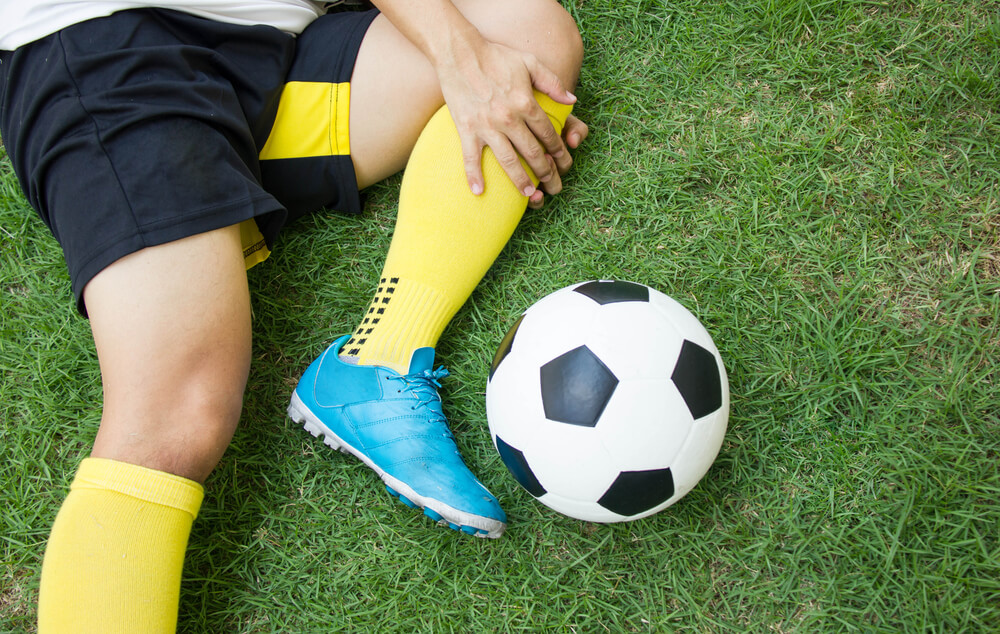
    Sports and outdoor athletic activities are a great way to exercise. But as anyone who has played contact sports can tell you, sports-related injuries can have you sitting on the sidelines before you know it. Athletes at all levels are susceptible to injury, from high school to professionals. Even a relaxed game of Frisbee in the park could end in a sprained ankle or other issue.

    Thankfully, most sport-related injuries can be treated with the help of physical therapy. Many of the injuries sustained on the field can have long-lasting effects on your performance and your health; that’s why it’s important to prevent injuries before they happen. Athletes of all skill levels can benefit from physical therapy not just after an injury, but before the season starts as well.

    Some of the worst sports injuries could be prevented by keeping your body strong and flexible throughout the year. Since most sports injuries happen during practice, working with a physical therapist during the off-season can help prevent injury and improve your performance.

    What are some of the worst sports injuries to avoid?

    While minor aches and pains are common after a practice or game, sports injuries can have more serious consequences. Here are five of the worst sports injuries for athletes:

    1. Concussions — Concussions are head injuries that are common in contact sports where the head or upper body is subject to impact. When the head is severely impacted, the brain can be forcefully pushed against the skull, causing concussion. Even with proper treatment, concussion symptoms can linger long after the initial injury.
    1. Tendinitis — When the tendons that connect our muscles to our bones are placed under too much stress, tendinitis can occur. This happens when microscopic tears form in our tendons, causing pain and swelling. In severe cases, the tendons can even tear.
    1. Rotator cuff injuries — The rotator cuff is the muscle that allows our shoulders to be able to move and bend. Many shoulder injuries are the result of straining or tearing a rotator cuff muscle while playing sports. This injury can happen as a result of overuse or from a hard impact.
    1. Hyperextensions — Hyperextension occurs when a joint such as the knee or elbow is stretched too far and too quickly. This causes stress on the joint soft tissue, resulting in pain, inflammation and swelling. It is a common injury among players of rugby, football and other sports that involve running.
    1. Fractures — Fractures can happen during nearly any sport and to many different parts of the body. For example, fractures of the foot and ankle are common in sports like basketball that require jumping and landing.

    How can physical therapy help prevent the worst sports-related injuries?

    Many of these injuries can be avoided with proper training, warming up and stretching. If you are concerned about becoming injured on the field, talk with a physical therapist today about developing a routine to strengthen your body. 

    Whatcom Physical Therapy can be your trusted partner in sports injury prevention. Our sports injury experts can build you a personalized prevention plan designed to cut your risk of a sports injury. Such a plan may include: 

    Contact us today to schedule an appointment or for more information on how we can help you perform at your absolute best.

  • What injuries can be caused by slips, trips and falls during sports?

    What injuries can be caused by slips, trips and falls during sports?

    Athletic activities provide myriad health benefits and enrich the lives of many people, whether they are professional athletes or busy adults looking for a healthy way to unwind. But a sudden injury on the field or on the track can leave you sitting on the sidelines. A sudden slip, trip, or fall during athletic activity could result in one of many painful and debilitating sports injuries. In fact, it’s estimated that over one quarter of sports injuries result from falls.

    What injuries can tripping and falling cause during sports?

    • Knee injuries — It’s estimated that almost half of all sports injuries are knee related. A slip, trip, or fall that bends the knee in a severe manner can cause a sprain or tear in the anterior cruciate ligament, or ACL. 
    • Fractures — A broken bone, or fracture, can occur in almost any sport. Fractures in the ankle, foot and collarbone are common sports injuries. During a slip, trip, or fall, the bones in the wrist or hand can also become fractured, as people often use their hands to try to break their fall.
    • Shoulder injuries — The shoulder is responsible for many sports injuries. It is the most mobile joint in the body, but because of this, it is prone to becoming dislocated during a fall. The acromioclavicular joint in the shoulder is also very important for athletes, but can become sprained when the shoulder is fallen upon.

    If I’ve been injured in a fall, how can sports physical therapy help?

    At Excel Sports & Physical Therapy, our specialization is helping you manage and overcome the pain and immobilization that a sports-related injury can cause. Our highly trained PT specialists employ a variety of tried and trusted techniques to overcome the pain, lack of mobility and loss of strength that a sports injury can cause.

    When you’re ready to take the first step to recovery, schedule a free screening with us so that we can begin crafting a physical therapy program specially tailored to your needs.

    Contact our team today for more information on how we can help.

  • Why is playing tennis causing me to feel shoulder pain?

    Why is playing tennis causing me to feel shoulder pain?

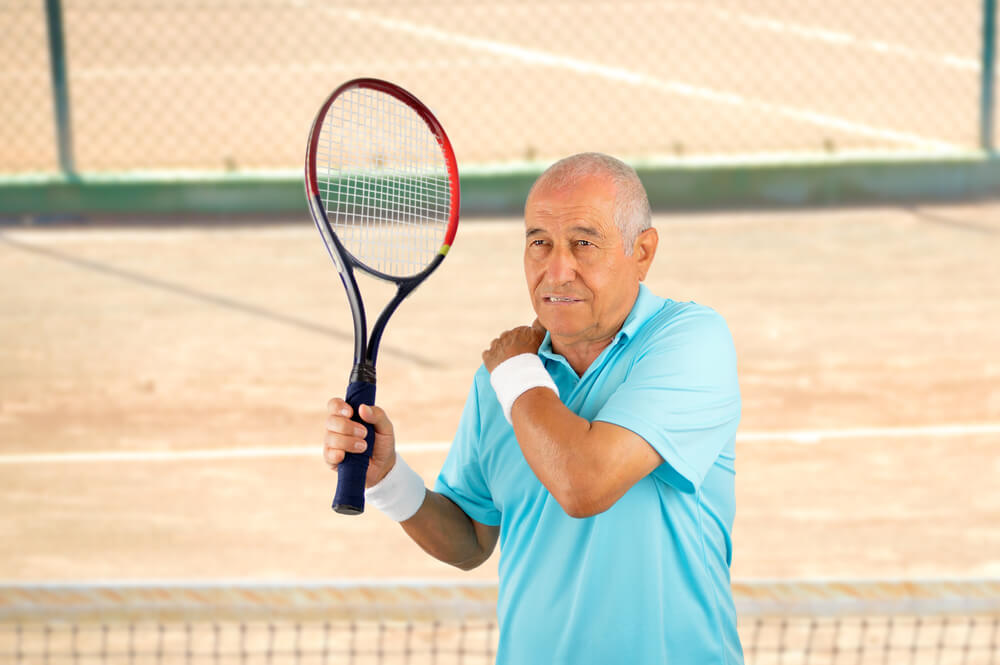
    Playing tennis was supposed to help you get out of the house and be more active. Yet you’ve reached a point where every tennis session leaves you with pain in your shoulder. 

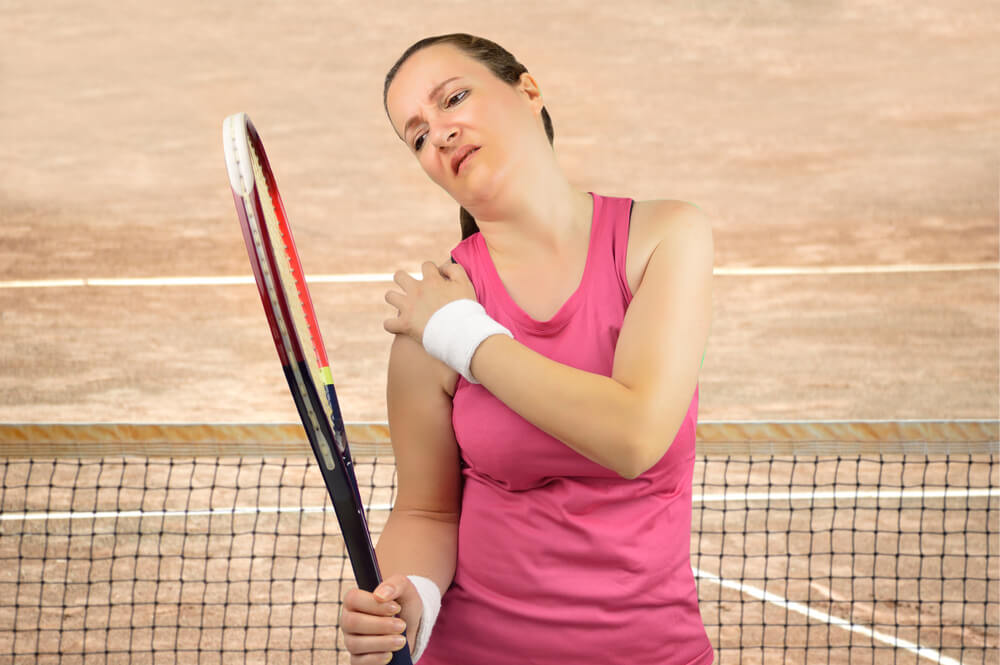
    The good news is that you aren’t alone. Medical researchers estimate that 24% of tennis players who are between 12 and 19 years old develop shoulder pain. They also report that half of all middle-aged players will develop shoulder pain. Why is it that so many tennis players develop shoulder pain? Physical therapists can help answer this burning question. 

    What is it about playing tennis that can lead to shoulder pain?

    There are many factors that can leave your shoulder hurting after playing tennis. Some of these include: 

    1. Poor swing mechanics — Swinging your tennis racket allows you to hit the ball harder and faster. But it can also put more strain on your shoulder and elbow if your swing is out of whack. 
    1. Poor body mechanics — Many parts of your body are involved in hitting a tennis ball. Your feet should be properly positioned, and your leg and torso muscles should be adding force to your hit. If these mechanics aren’t being used, the result can be overworking your shoulder. 
    1. Too many matches — People who are just getting into a sport have a tendency to do too much too quickly. After all, sports are fun to play, and this fact can blind us to how much effort they require. Putting in more effort than you’re used to can often lead to increased stiffness and pain. 

    How can physical therapists help with your shoulder pain?

    Tennis players don’t have to continue living with chronic pain in their neck, shoulders or other body parts. You can work with a physical therapist to reduce your pain. A physical therapist can help you: 

    • Develop an exercise program to help you warm up before and cool down after a match. 
    • Build strength in your legs, butt and core to help reduce tennis-related shoulder strain. 

    Excel PT offers effective treatment for sports-related shoulder pain

    Easing and preventing shoulder pain from playing tennis or other sports are worthy goals. Our team at Excel Sports & Physical Therapy is eager to help you meet these and other sports-related goals. Our free screenings allow us to pinpoint the source of your pain. Then, our top-notch physiotherapists can build you a custom treatment plan designed to reduce your pain as rapidly as possible and help prevent it from returning. 

    Contact our team today for more information about how we can assist athletes or to schedule an initial appointment to start treating your pain. 

  • Why does my child’s elbow hurt after baseball practice?

    Why does my child’s elbow hurt after baseball practice?

    If your child’s elbow hurts after baseball practice, there are a number of possible conditions that could be causing the pain. Many of the conditions that cause elbow pain are musculoskeletal conditions. Physical therapy could be a solution that provides relief for a variety of different musculoskeletal problems.

    Are you wondering, “Why does my child’s elbow hurt?” If so, read on to learn about some possible conditions that may be causing your child’s pain, and discover how a physical therapist may be able to help.

    Possible reasons why your child’s elbow may hurt

    There are a few common conditions that cause elbow pain. Many of these are caused by athletic activity, including baseball. These conditions can be worsened with further activity if ignored. Here are some causes of elbow pain:

    • Hyperextended elbow — If the elbow joint is bent beyond the normal range of motion, it can tear the connective tissue, which is known as a hyperextension. This can usually happen during sports like baseball or other physical activities. 
    • Tennis elbow — This is a common condition caused by stress and overuse of the elbow. Athletic activities like sports practice including baseball can cause this condition. Tennis elbow causes inflammation, which can be painful. The pain is located on the lateral side, or the outside, of the elbow.  
    • Golfer’s elbow — This condition is similar to tennis elbow. It is also caused by repeated stress or overuse of the elbow. But if your child has golfer’s elbow, the pain will be on the inside of the elbow instead. Baseball players can also develop golfer’s elbow as a result of repetitive throwing, since swinging a golf club and throwing a baseball require similar elbow movements.

    Excel Sports & Physical Therapy is ready to treat your child’s elbow pain

    If you’re searching for an answer to why your child’s elbow hurts, then a physical therapist can help. Our team of experts at Excel Sports & Physical Therapy is ready to help alleviate elbow pain. Our physical therapists are prepared to build your child a personalized treatment plan to manage elbow conditions and to strengthen your child’s arm to help recovery after a sports injury.

    Contact our team today for more information about how physical therapy can treat elbow conditions or to schedule an initial appointment. 
  • Four common sports injuries that physical therapists offer treatment for

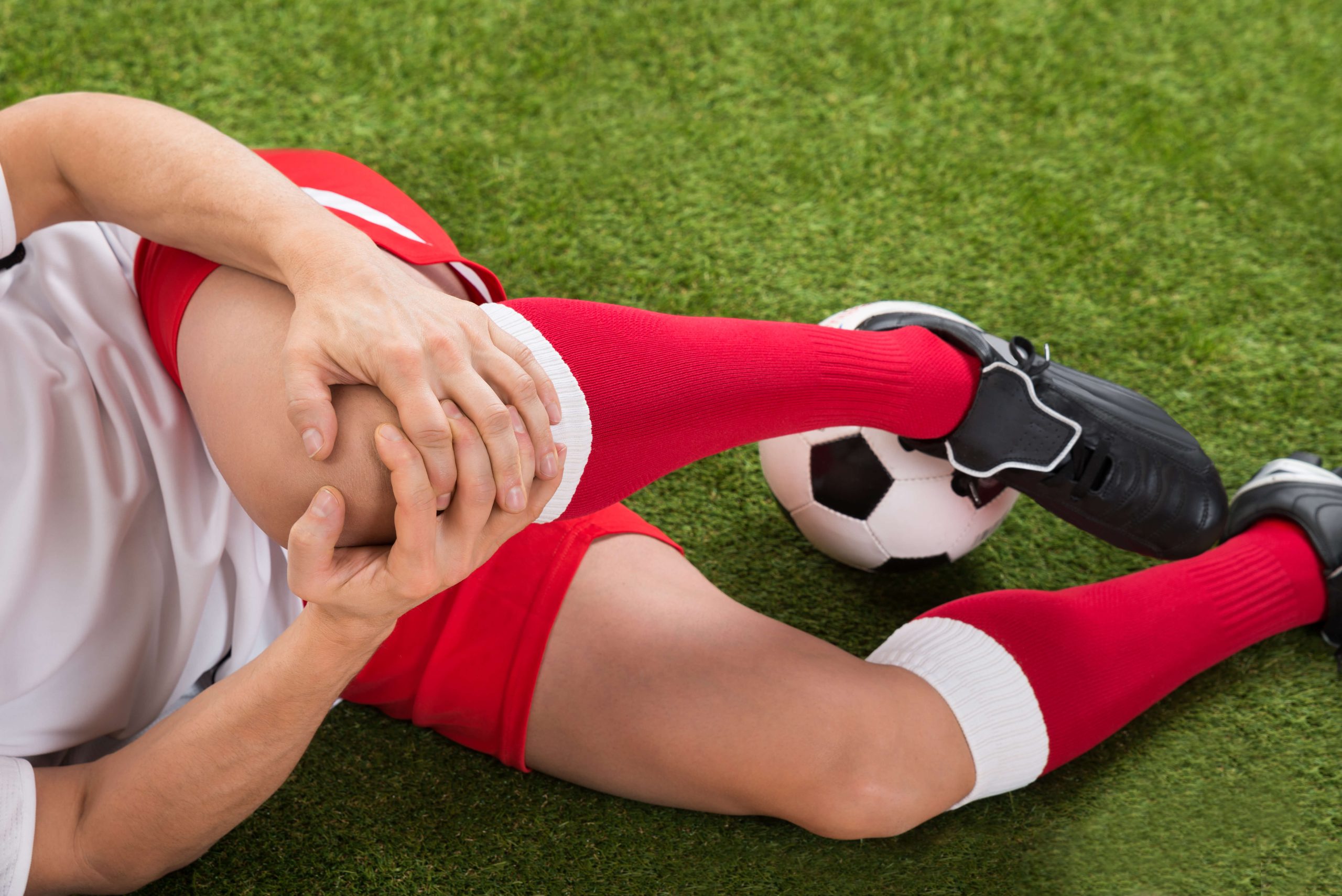
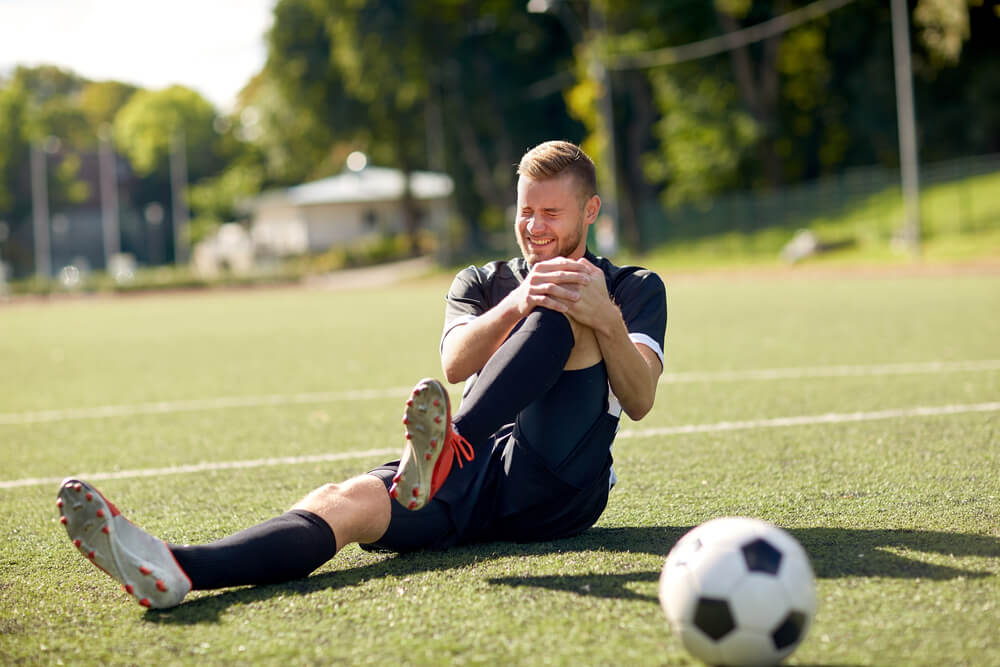
    A risk for injury always accompanies participation in sports. Collision sports such as football or hockey have a high rate of injury. But sports injuries are still common in low-impact sports such as basketball and soccer. Children are at a higher risk for sports injuries since their bodies are still developing compared to an adult, but anybody who plays sports might sustain an injury. 

    Have you or your child injured yourself while playing sports? If so, sports injury treatment is a type of physical therapy that can help you get back in the game. 

    The most common sports injuries 

    There are numerous different kinds of injuries that might occur while playing sports. But some of them are far more common than others. Learning about the different types of injuries can help you understand why proper sports injury treatment is important to help the body heal faster. Here are four common sports injuries: 

    1. Concussion — This type of injury is more common in collision sports, but it can occur in low-impact sports if players accidently collide into each other and hit their head. A concussion occurs after an impact to the head shakes the brain. Some symptoms of a concussion include dizziness, confusion, headache and a loss of balance. 
    2. Dislocation — If a bone slips out of a joint, then a dislocation has occurred. You can dislocate any joint in the body, but the most common are the knee, hip, ankle or shoulder joints. A dislocated joint usually happens upon a sudden impact, like taking a hard fall. 
    3. ACL tear— A tear of the anterior cruciate ligament (ACL) in the knee is a common sports injury. This injury is especially common among basketball, soccer and football players, and usually occurs while jumping or aggressively pivoting, which can lead to an overextension of the knee joint. An ACL tear is immediately painful and can be severe. 
    4. Achilles tendon injuries — Another commonly affected area for athletes is the Achilles tendon. The Achilles tendon attaches the calf muscles to your heel. Aggravating it with repeated exercise or stress can lead to tendinitis, which causes discomfort and swelling around the heel. A rupture can also occur during sports, when the tendon is torn leading to immediate pain and difficulty with walking. 

    Armor Physical Therapy is ready to get you back on the field

    If you’re an athlete, nothing is more frustrating than injuring yourself while playing. Our team of experts at Armor Physical Therapy is ready to help you get back in the game. We are prepared to effectively treat your sports injury. Our physical therapists can build you a personalized treatment plan designed to manage your injury and help speed up your recovery. 

    Contact our team today for more information about sports injury treatment, or to schedule an initial appointment. 
  • Three injuries you might suffer while playing tennis

    Three injuries you might suffer while playing tennis

    Most people don’t think of tennis as a contact sport because the players don’t make bodily contact. However, this sport can be considered a contact sport. 

    Every time your tennis racket hits the ball, it puts stress on many parts of your body. This stress combined with the repetitive movements required during tennis matches can lead to injuries. One medical study reports that professional players develop about 48 injuries for every 1,000 matches they play.

    Working with a physical therapist can help you learn some issues you may develop while playing tennis. These medical specialists can help you find effective treatment for tennis injuries, too. 

    These are three common injuries people suffer while playing tennis: 

    1. Rotator cuff injuries — The rotator cuff is a group of shoulder muscles that help lift your arm. This structure is used to lift your racket up, especially when you lift it overhead. Poor form can increase your risk of a rotator cuff problem. Repetitive motions and stress placed on the arm during serves can also increase rotator cuff injury risk. 
    1. Tennis elbow — While other people can develop it, tennis elbow is common in tennis players. It occurs when the tendons on the outside of your elbow become inflamed. This inflammation tends to trigger pain in this location. Medical researchers report that up to 3% of Americans develop tennis elbow annually. 
    1. Core muscle strains — Your core muscles include your abs, obliques, lower back muscles and pelvic floor. These muscles put in a lot of work during a tennis match. The twisting and flexing that your core must do as you play tennis can easily lead to a strained muscle. Failing to warm up can leave your core muscles tense and more susceptible to injury.  

    Peak Performance can help treat your tennis injuries

    Have you recently injured yourself while playing tennis? Peak Performance Sports & Physical Therapy has a team of specialists ready to help treat your injury. We can perform a free screening on you to pinpoint what type of injury you have. Then, our physical therapists will construct an individualized treatment plan designed to reduce your pain and prevent future injuries. Even better, you can do some of your treatment from home thanks to our virtual therapy service. 

    Contact us today for more information about our sports injury treatment services or to schedule an initial appointment to begin treating your injury. 

  • What are some common injuries you can develop while playing golf?

    What are some common injuries you can develop while playing golf?

    Golfing can have many positive health benefits. For instance, it can help improve strength and cardiovascular fitness. These and other benefits may be why 1 in every 3 Americans over the age of 6 plays, watches or reads about golf. 

    However, as with any sport, there is a possibility of injuring yourself while playing golf. A medical study in 2016 found that nearly 41% of amateur players injured themselves every year. For professionals, the injury rate jumped to up to 90%. 

    Physical therapists can help you learn some of the golf injuries that are most common, and these medical professionals can help you find effective treatment for your injuries as well. 

    Three of the most common golf injuries:

    1. Back strains — Golfing involves a lot of twisting and bending. One part of the body that’s heavily involved in such movements is the back. The bent-over stance that golfing requires you to adopt can leave back muscles tired, which makes them more injury prone. Also, the forces of a golf swing can place a lot of pressure on your back muscles. Both of these factors mean that back muscle strains are common among golfers. 
    1. Golfer’s elbow — This elbow injury doesn’t just occur in golfers, but it is a common issue for these athletes. Golfer’s elbow occurs when the tendons on the inside of your elbow are overstretched. This leads to inflammation and pain in the inner elbow. Medical researchers report that up to 20% of all elbow tendon injuries are golfer’s elbow cases. 
    1. Wrist tendinitis — The wrist contains a large number of tendons. The forces of a golf swing or hitting the ground with a golf club can lead to wrist tendinitis. This injury happens when the wrist tendons become inflamed. The most common sign of wrist tendinitis is pain and tenderness on the top of your wrist. Often, this pain is felt at the top of your backswing and when your club impacts the ball. 

    Panther PT offers top-notch treatment for golf injuries

    Have you recently developed a golf injury? Our team at Panther Physical Therapy includes sports injury specialists who can help you. We can do a free screening on you to determine what injury you have. Then, our specialists can build you a personalized therapy plan designed to: 

    • Reduce pain.
    • Improve your ability to do normal daily activities. 
    • Decrease your risk of future injuries. 

    You can even sign up for at-home care or virtual therapy sessions that allow you to treat your injury from home. 

    Contact our team today for more information about our sports injury treatment services or to schedule an initial appointment.
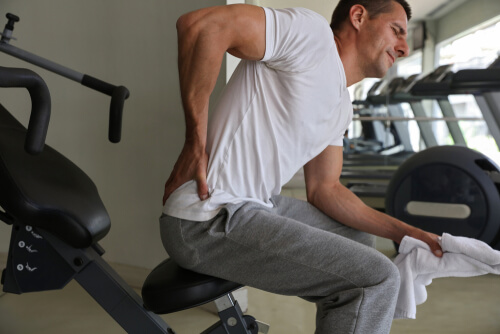
  • Three sports injuries that can lead to both lower back and hip pain

    Three sports injuries that can lead to both lower back and hip pain

    Dealing with minor aches and pains is something that many athletes take for granted. However, some athletes may develop moderate to severe lower back and hip pain, and these forms of pain are often caused by specific sports injuries. 

    It’s not uncommon for U.S. athletes to experience an aching lower back or hip. One medical study reports that up to 94% of athletes feel some level of lower back discomfort annually. Another study reveals that about 10% of people who seek help from sports medicine professionals have hip or groin pain. Meeting with a physical therapist can help you learn what is causing your lower back and hip pain, and you can also get effective treatment for your pain from these medical professionals. 

    Lower back and hip pain can come from these three sports injuries: 

    1. Ligament, muscle or tendon injuries — Ligaments are soft tissue structures that connect a bone to another bone. Tendons connect muscles to bones, and muscles allow your body to move. All these structures must work together when you’re playing a sport. However, they can also be sprained, strained or torn. If the injured structure is located in either the hip or lower back, you may feel discomfort in both areas. 
    1. Herniated lumbar disc — Many sports require some level of lower back movement. Yet repetitive movements, sudden stress or impacts can all injure a disc in your lumbar spine. A herniated disc occurs when the outer covering of a spinal disc is damaged. The disc’s inner material is then able to poke out or herniate, which can trigger local and radiating pain. 
    1. Sciatica — Your sciatic nerve runs from your lower back, through your buttocks near the hips and down the back of your legs. A lower back or hip impact can easily cause a section of this nerve to be pinched. In turn, sciatica can trigger burning or shocklike pains along the entire length of the nerve. 

    What can physical therapists do to treat lower back and hip pain caused by sports injuries?

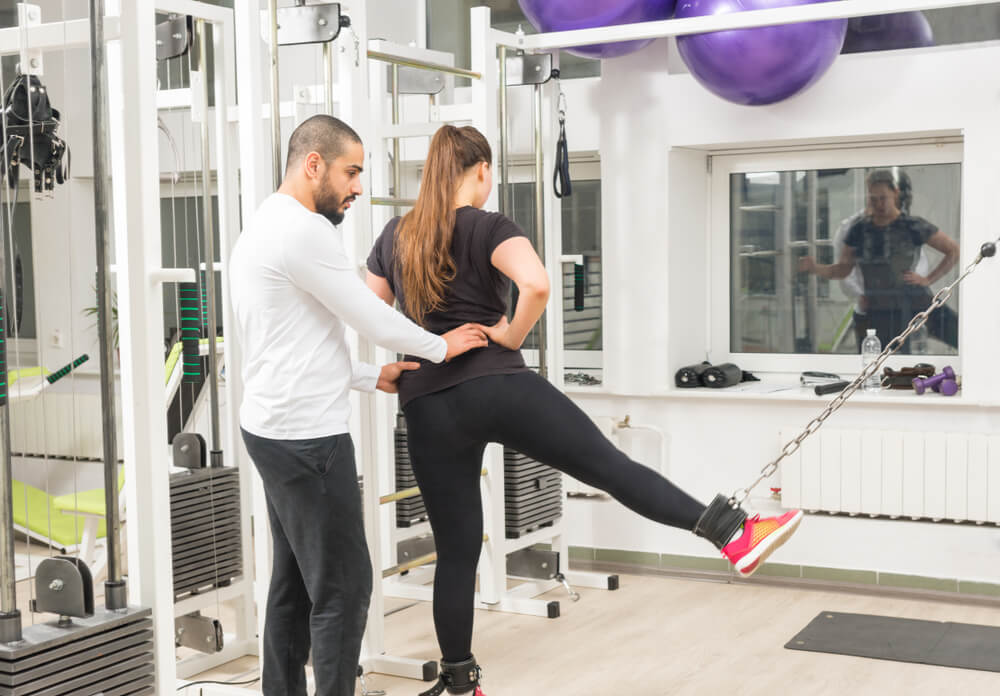
    Physical therapists can help you treat many musculoskeletal disorders caused by playing sports. These specialists can take treatment steps such as: 

    • Identifying the root cause of your pain.
    • Educating you about the injury you have. 
    • Employing aquatic therapy to relax and strengthen the injured area of your body. 
    • Developing a therapeutic exercise program for you that can help speed up your recovery. 
    • Helping you avoid future sports injuries. 

    Rehab Access offers treatment for sports injuries that cause lower back and hip pain

    Do you have a sports injury that’s left your lower back and hip painful? Our team at Rehab Access Physical Therapy is ready and willing to help you address your injury. We can do a free screening to determine what type of injury is causing your pain. Next, our physical therapists will construct an individualized therapy plan for you that’s designed to: 

    • Reduce your pain.
    • Supercharge your recovery process. 
    • Improve your flexibility and strength. 
    • Get you back to playing as fast as possible. 
    • Help you avoid future sports injuries. 

    Contact our team today for more information about our sports injury treatment services or to schedule an initial appointment to begin treating your injury.

  • Five sports injuries you should seek physical therapy for

    Five sports injuries you should seek physical therapy for

    Athletes of all types love to perform at their best. Whether you’re a football player trying to bring home the state title or a runner who wants to improve your time, your ability to do what you love is important to you. But an injury can keep you from participating in your favorite activities and pushing your limits.

    Athletes of all sports and all levels are at risk for injury. Many of these injuries require professional treatment for a full and quick recovery. Ignoring the pain or trying to play through it may result in more pain and could lead to permanent disability. If you’re an athlete who has been hurt, do not hesitate to reach out to a physical therapist for help. There are five sports injuries in particular that a physical therapist can help you recover from.

    Physical therapists can help you recover from these five common types of sports injuries

    Since there are many types of sports and many types of athletes, there are many types of sports-related injuries. Many athletes take measures to prevent injuries, such as training and warming up. But they can still happen in spite of preventive measures.

    Five injuries that physical therapists often see in athletes include: 

    1. Sprained ankles — Your ankles are made up of many tough ligaments that connect your leg bones to your feet. If your foot rolls or twists in an awkward way, the ankle ligaments can stretch or tear, which results in pain and loss of mobility.
    1. Pulled hamstrings — Your hamstring is the group of muscles that make up the back of your thigh. A pulled hamstring is an injury in which these muscles are strained from overuse. Athletes who participate in sports that require a lot of running are at higher risk for a pulled hamstring.
    1. Patellofemoral syndrome — Your kneecap, known medically as the patella, is in charge of protecting the ligaments in your knee from harm. Patellofemoral syndrome is a condition related to overuse that causes damage to the kneecap. It’s sometimes known as runner’s knee since it is common in athletes who run a lot.
    1. ACL injuries — The anterior cruciate ligament (ACL) is responsible for keeping your knee stable and from twisting in the wrong direction. An ACL injury occurs when the knee is forced to twist or bend in an unnatural way. This causes the ACL to stretch or tear.
    1. Tendinitis — Your joints can only bend or straighten because of the tendons that connect them to your bones. These tendons can become inflamed and irritated from overuse, which is known as tendinitis. Tendinitis can affect all joints but is more common in the elbow. It’s often called tennis elbow or golfer’s elbow because of its connection with these sports.

    How can physical therapists treat sports injuries?

    Physical therapy is a top choice for many athletes because it can help reduce pain and restore strength and flexibility more rapidly. A few of the physical therapy methods used in sports injury treatment include:

    If your injury is severe enough to require surgery, you should still talk to a physical therapist. Physical therapy can help your body prepare for surgery and recover quicker afterward.

    Find expert treatment for a sports injury at Advent Physical Therapy

    Our Advent Physical Therapy team is primed to help you find effective sports injury treatment. We can start by performing a free screening for you. This screening is intended to reveal the type of injury you have and any underlying issues that contributed to it. Then, our specialists will build you an individualized physical therapy plan designed to reduce your injury symptoms and speed up your recovery. Even better, we can get you started with therapy even if you don’t have a referral from your doctor. 

    Contact our team today for more information about how we can help with your athletic injury or to schedule your initial appointment.

  • Four characteristics of successful sports therapy goals

    Four characteristics of successful sports therapy goals

    Many people are content with enjoying sports as a hobby, but for those who want to take it to the next level for amateur, semipro or professional competition, you have a lot of work to do. One option you have that can help is sports therapy.

    A sports therapist can help you identify your goals and the milestones you can expect to achieve on your journey to reaching your goals. They can put together a plan that is tailored specifically to your needs to help you progress at a rate that is safe and effective for you.

    Here are four characteristics that you should expect from a sports therapy program:

    1. Measurable

    The most important aspect of any goal that you want to achieve is measuring the success of that goal. Vague goals such as wanting to be a better athlete or feeling better physically are admirable goals, but how do you measure that? Setting a goal that can be objectively measured so you can keep track of your progress is vital to getting the most out of your sports therapy.

    2. Achievable

    A great measurable goal may be to dunk a basketball at regulation height. You can keep track of your progress and measure your vertical leap. But if you stand 5′4″, dunking a basketball will be a lot more difficult and take more work. Your sports therapy trainer wants you to succeed, and setting realistic, achievable goals will help make your goals a reality.

    3. Relevant to you

    Sometimes parents or peers may pressure you into doing something you may not want to do. If your friends all play baseball and you prefer tennis, your fitness goals should reflect that. Your sports therapy trainer will help you answer the “why” of your goal. Knowing that you are achieving this goal for you will keep you bought into the training and make it more likely you will succeed.

    4. Timely

    A journey of 10,000 miles begins with a single step, but that will still be a very long journey. Our expectation of how long things should take is often clouded by optimism bias. That means we think of how long something should take as if everything were to go perfectly. But setbacks happen. Injuries occur. Setting up a timeline of progress will keep your goals in perspective. 

    Visit Continuum Wellness for sports therapy

    Are you an athlete who wants to take your performance to the next level? The experienced professionals at Continuum Wellness help make goals a reality for athletes. Regardless of whether you are an aspiring high school athlete, club player or someone just looking to better themselves, sports therapy can help you. Contact our team today for more information about sports therapy or to schedule an initial appointment.
When Was Your Appointment?

We recently changed bill pay providers. Please click the button for the date of your appointment to be directed to the correct online payment portal.