Please ensure Javascript is enabled for purposes of website accessibility

Category: Sports Injury

  • Why you should turn to a sports therapist for shoulder injury treatment

    Why you should turn to a sports therapist for shoulder injury treatment

    Throwing a ball. Impacts with other players. Landing on the ground shoulder-first. These are just a few of the ways you could develop a shoulder injury while playing sports. 

    Shoulder injuries are most common in athletes who make repetitive overhead movements. It’s reported that 30% of such athletes experience a shoulder injury during their career. One option that can help treat your sports-related shoulder injury is sports therapy. 

    Two common shoulder injuries that sports therapy can treat

    While there are many ways that your shoulder can be injured while playing sports, there are two particular types of shoulder injuries that sports therapy specialists see frequently. These two injuries are: 

    1. Shoulder dislocations — Shoulder dislocation occurs when your upper arm bone comes out of your shoulder socket. This injury can occur as a result of heavy blows to your arm or shoulder. These heavy blows are common when you’re playing a contact sport, such as football, soccer or rugby. A shoulder dislocation can also lead to muscle and tendon damage that can benefit from physical therapy. 
    1. Strained muscles — Muscle strains occur when your muscles are stretched beyond their normal range. This excessive stretching leads to microscopic tears in your muscle fibers that cause pain. There are several sports in which high arm and shoulder use frequently lead to muscle sprains. Some of these sports include baseball, tennis and basketball. 

    How can a sports therapy specialist treat shoulder injuries?

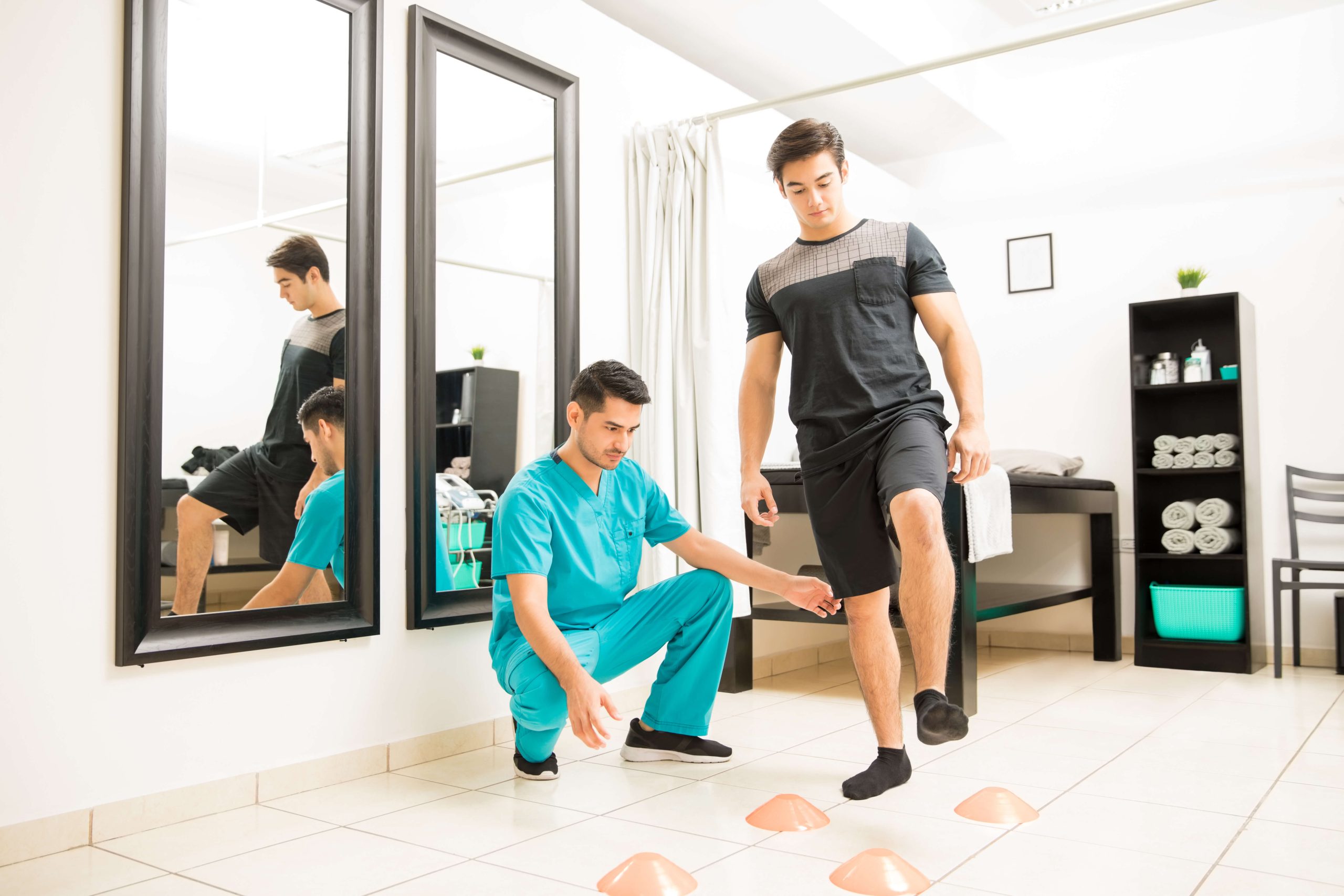
    Therapy specialists have many techniques at their disposal that can treat shoulder injuries. Such techniques are intended to reduce pain. They can also help improve shoulder range of motion and function. A few of the beneficial therapy methods your physical therapist may use on your shoulder are: 

    Excel Sports & Physical Therapy offers sports therapy for shoulder injuries

    Have you damaged your shoulder while playing sports? Our physical therapists at Excel Sports & Physical Therapy can help you find effective sports therapy for your injury. We offer free screenings designed to reveal the type of injury you have. In addition, our team excels at building personalized physical therapy plans intended to reduce pain and get you back to playing faster. 

    Don’t want to leave home to get your physical therapy? That’s OK! We offer virtual therapy and at-home care services, which are designed to help you right in your own home. 

    Take the next step to start getting our assistance with your shoulder injury. Contact our team today for more information about our treatment options or to schedule a free screening. 
  • Effective sports therapy for knee injuries can come from a physical therapist

    Effective sports therapy for knee injuries can come from a physical therapist

    Pain keeping you on the bench? Having difficulty making it through a training session? These are all effects that a sports-related knee injury can have. 

    A healthy knee joint is a must for most athletes. Unfortunately, it’s also one of the most commonly injured. Medical research shows that more than 15% of all high school-level sports injuries involve the knee. A physical therapist can help you get sports injury therapy for your knee injury. 

    Two knee injuries that sports therapy can treat

    Sports therapy is a vital component in recovering from just about any type of knee injury. However, there are two injuries that physical therapists see more often than others: 

    1. Patellofemoral syndrome — This injury is caused by your kneecap moving against your upper or lower leg bones. Repeated movement of your kneecap against these bones eventually damages your knee tissue. Runners, cyclists, football players and basketball players are the most likely to develop patellofemoral syndrome.
    1. Anterior cruciate ligament (ACL) injuries — This ligament helps connect your femur to your tibia in your knee. A tear in your ACL can occur in two ways: First, you could experience a hard impact to your knee that causes your ACL to tear. Another way you could tear your ACL is by changing direction suddenly. ACL tears from these two causes are common for football, soccer and basketball players.

    What sports therapy techniques can help treat a knee injury?

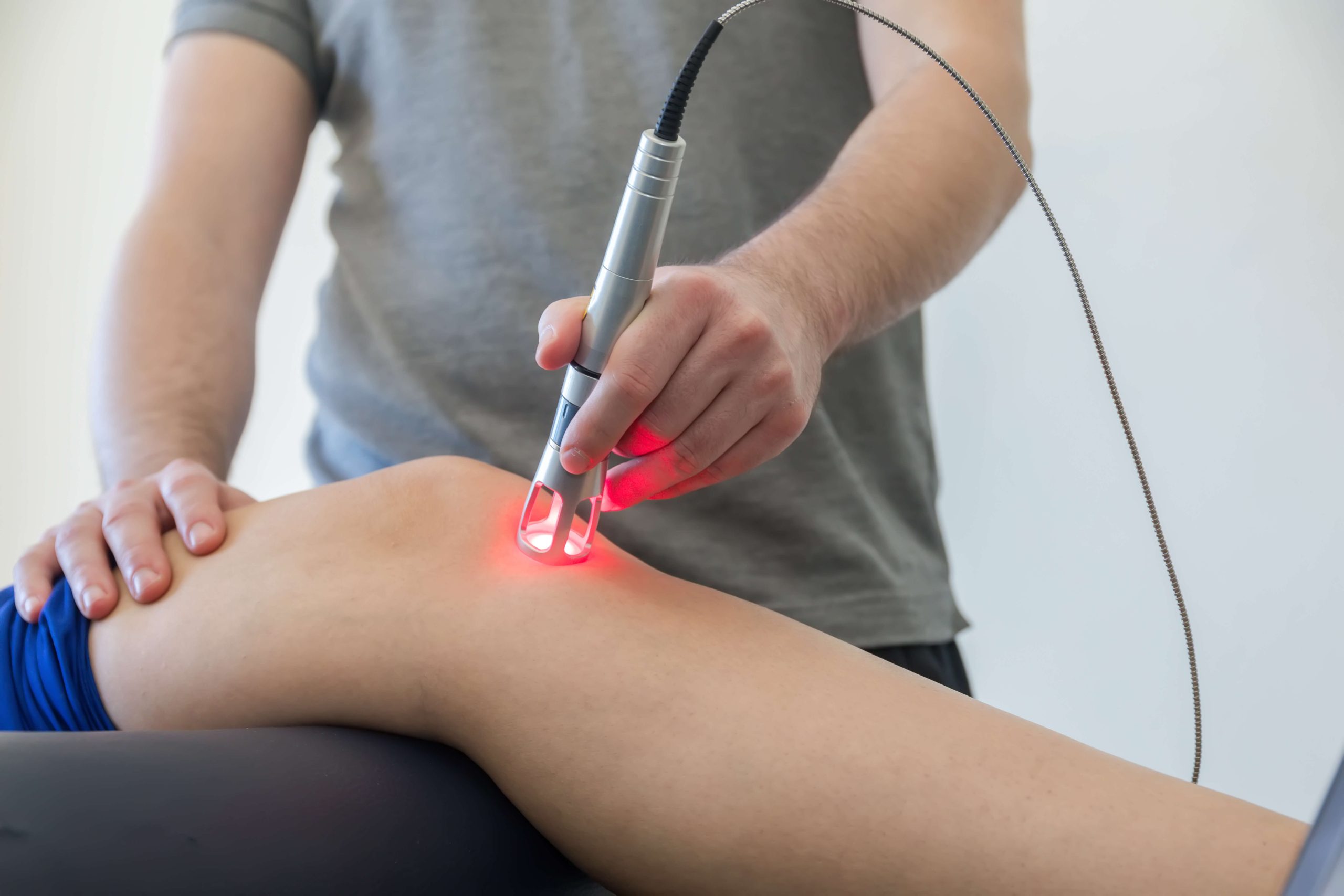
    These are just two of the knee injuries that a therapy specialist can help you treat; in fact, they can help you find the right physical therapy methods for just about any knee injury. Some of the techniques your physical therapist could include in your knee injury therapy plan are as follows:

    Using a combination of these and other therapy methods, your physical therapist can create a personalized knee injury recovery plan for you. The best part about these recovery plans is they can help to reduce your pain faster. They may even get you back to playing sports more quickly.

    Need sports therapy for an injury? Excel Sports & Physical Therapy can help!

    Ready to find effective sports therapy for your knee injury? Our team at Excel Sports & Physical Therapy can help you. We offer free screenings that can pinpoint the specific knee injury you have. Additionally, our physical therapists are well versed in many beneficial therapy techniques, and this allows them to build you a personalized therapy plan to fit your injury. We even offer therapy services that you can use at home, including virtual therapy and at-home care appointments. 

    Contact our team today for more information about how we can help with your knee injury or to schedule an initial appointment. 

  • Four tips that can decrease your chances of a sports injury

    Four tips that can decrease your chances of a sports injury

    Athletes who have been injured in training or competition should visit a physical therapist for treatment. Physical therapists can help keep the muscles and ligaments around the injured area strong and flexible. This helps athletes recover faster from injuries and helps them find relief while recovering.

    This is good news if you’re someone who likes to participate in sports. However, getting injured keeps you from doing what you love the most. Your best option for treating sports injuries is to prevent them from happening in the first place.

    These four tips can help prevent sports injuries

    Sports injuries can be unpredictable due to the many variables in athletic competition. Taking a wrong step at the wrong time or getting hit by another athlete can lead to an unavoidable injury. However, some injuries develop from lack of preparation and training. These kinds of sports injuries are largely preventable.

    Here are some tips you should follow if you’re an athlete who wants to lower your chances of getting injured:

    1. Always warm up and cool down — Before training or competing, you need to stretch and prepare your muscles. This warms up the muscles, which reduces their chances of getting injured. Likewise, you need to cool down after competition. Cooling down can be as simple as walking for a few minutes. Going straight from activity to rest can result in strained muscles.
    1. Keep a healthy diet — Your body needs fuel to meet the demands of athletic activity. This means you need to eat foods rich in the nutrients your body needs. This includes lean proteins, unsaturated fats, fruits and vegetables, dairy products and whole grains.
    1. Wear proper equipment — Make sure any equipment you use fits correctly. This is especially important for footwear. You need to find shoes that fit you correctly and provide the right support for your foot shape and your gait. A physical therapist can help you identify any gait issues and what kind of footwear you need.
    1. Listen to your body — This is the hardest point for athletes to grasp. Athletes push themselves hard and are used to dealing with pain. However, pain is sometimes the sign of a building injury. Pay attention to the signals your body is sending you, and stop competing if you’re in serious pain. Recovery from pain at this stage is much better than recovering after you’ve developed an actual injury.

    Panther Physical Therapy offers effective sports injury treatment

    Our physical therapists at Panther Physical Therapy offer many solutions for athletes to treat and prevent sports injuries. We offer free screenings that can pinpoint the issues that led to your injury. Additionally, our physical therapists can build a personalized therapy plan for you that’s intended to reduce your symptoms, address underlying issues and prevent future sports injuries. Our plans can meet these goals because they use beneficial therapy methods like: 

    Contact our team today for more information about how we can help with your sports injury or to schedule an initial appointment.

  • Benefits of treating sports injuries with physical therapy

    Benefits of treating sports injuries with physical therapy

    Having trouble walking on your ankle. Difficulty bending your knee. Trouble lifting your arm. These are all ways that various sports injuries can affect your ability to move. 

    Many people who enjoy participating in sports for recreation and fitness, but doing so does come with the risk of a sports injury. Athletes take precautions to avoid injuries, but sometimes they just happen. In fact, it’s reported that almost 9 million sports- and recreation-related injuries occur every year in the U.S. Physical therapy can help treat sports injuries for athletes of all levels. 

    How does physical therapy help treat sports injuries?

    Most athletic injuries involve some form of damage to the musculoskeletal system. This includes your bones, muscles, ligaments, tendons and joints. Fortunately, our physical therapists specialize in treating musculoskeletal disorders. 

    Many physical therapy techniques focus on rebuilding the strength and flexibility of your muscles and ligaments so your body can support itself while it heals. These techniques also seek to improve function and reduce the severity of your pain.

    In addition to these benefits, physical therapy-based sports injury treatment can:

    • Restore range of motion — Physical therapy exercises and techniques can help you regain mobility that was lost due to your injury. This will help you maintain some level of activity during recovery and will help you perform after recovery as well.
    • Restore balance — Your physical therapist will work with you to restore the balance that may have been lost due to the limitations of your injury. This can help you avoid falling during your recovery.
    • Prevent surgery — Surgery is an invasive procedure that requires a longer period for recovery. Physical therapy may help you heal without having to rely on surgery. If you do have to have surgery, physical therapy can also assist in your post-surgical rehab.
    • Reduce the need for pain medication — Some injuries require pain medication to reduce your pain. These often come with undesirable side effects. Physical therapy is intended to help you heal and manage your pain so that you don’t have to stay on pain medication.

    Need sports injury treatment? Peak Performance is here to help

    Are you an athlete who’s been injured and is ready to recover? Our Peak Performance team is ready to help you get the sports injury treatment you need. We’ll start by performing a free screening designed to reveal the specific effects of your injury. Next, our physical therapists will build you a personalized therapy plan to fit your recovery needs.

    Not able to come into one of our therapy clinics? No worries! We offer virtual therapy that’s designed to help you get the therapy you need without leaving your home. Additionally, our therapy services can be used by patients without a doctor’s referral. 

    Take the next step to get our help with your sports injury recovery. Contact us today for more information about how we can help you or to schedule your initial appointment. 

  • Three leading causes of sports injuries

    Three leading causes of sports injuries

    A sports injury is something that every person may suffer at some point in their athletic career. In fact, it’s estimated that 8.6 million Americans are injured while playing sports or doing other recreational activities every year. 

    Every sport has some risk involved, and this is true for athletes of all levels. A professional athlete can suffer a muscle strain or ligament sprain just as easily as a high school athlete or an amateur. However, there are three leading causes of sports injuries that you can avoid with a little effort. 

    1. Failure to properly warm up

    It’s not realistic to expect our bodies to go from zero to maximum effort without risking a muscle strain. Countless baseball players who have pulled a hamstring running to first base can attest to this. It’s important to give the body a chance to warm up and prepare itself for giving maximum effort. Just a few minutes is all it takes to reduce your sports injury risk drastically. 

    Excellent warmup exercises that can help you avoid this cause of sports injuries include:

    • Walking
    • Static stretching
    • Performing jumping jacks or jumping rope
    • Lightly practicing sports movements
    1. Playing through muscle fatigue 

    Your competitive edge or desire to tough it out may keep you from calling a timeout or requesting a sub to come in, which can be another cause of sports injuries. However, several studies have indicated that sports injury risk goes up as the body begins to tire and the muscles fatigue. You may want to break through your next fitness plateau by playing through being tired, but there is a point of diminishing returns. 

    Eventually, this fatigue affects your form and technique, which makes you more susceptible to turning an ankle or tearing a ligament. Listen to your body to know when it may be time to take a break and keep yourself from getting injured. 

    1. Failure to properly cool down

    Just as going from zero to 100 is not advisable, going from total effort back to rest can also increase your risk of a sports injury. Failure to properly cool down can cause blood to pool in large muscles, causing swelling and inflammation. Lactic acid also builds up, which lowers the pH of your body and makes your muscles work less effectively. Much like warming up, just a few minutes of walking or stretching after playing a sport can help reduce your injury risk.

    Panther Physical Therapy can help you reduce your risk of sports injuries

    Are you concerned that these or other issues might cause you to develop a sports injury? Our team of physical therapists at Panther Physical therapy can help you find ways to reduce your injury risk. We offer free screenings that can pinpoint weak muscles, training problems and other issues that can lead to a sports injury. Our team can also build you a personalized therapy plan to tackle such issues. 

    In addition to in-clinic physical therapy, we offer virtual care and at-home therapy services that can help you get the therapy you need without leaving your home. You also won’t have to go to your doctor to get a referral before you begin using any of our therapy services. 

    Ready to start using our help to reduce your sports injury risk? Contact us today for more information about how we can assist you or to schedule your initial appointment.

  • This issue leads to outside of left wrist pain from golf

    This issue leads to outside of left wrist pain from golf

    One round of golf puts a lot of strain on a person’s wrists and many other parts of their body. Some golfers in Overland Park, Kansas, might have noticed outside of left wrist pain following a round. There are several issues that could be the source of your pain. However, there’s one issue in particular that is likely causing it: extensor carpi ulnaris tendinitis. 

    What is extensor carpi ulnaris tendinitis?

    A tendon is a structure that connects a muscle to a bone. The extensor carpi ulnaris (ECU) tendon connects the muscle of the same name to the bone at the base of the pinky finger. Golfing involves wrist movements that can inflame or irritate this tendon. Any time a tendon is irritated or inflamed, the condition is called tendinitis. An inflammation or irritation of the ECU tendon is specifically referred to as ECU tendinitis. 

    How can golfing lead to ECU tendinitis?

    It’s not just the wrist movements of your golf swing that can lead to ECU tendinitis and pain along the outside of the wrist. There are other factors in golfing that can cause this sport-related injury. One example would be poor swinging mechanics that place more strain on the wrists. ECU tendinitis could also be the result of wrist twisting from accidentally hitting the ground during your swing or from not taking time to warm up the wrists before playing.

    What can you do to treat ECU tendinitis?

    There are several steps you can take to treat the outside of left wrist pain and other symptoms of ECU tendinitis. One important step is to rest your wrist. You can do this by taking a break from golfing for a few days. You might also want to avoid repetitive wrist movements like typing. 

    Stretching and strengthening exercises can also be helpful for ECU tendinitis. For assistance with stretching and exercising , you might want to seek help from an experienced physical therapist. 

    SSOR in Overland Park has physical therapists that can help treat golfing injuries

    Have you been feeling pain on the outside of your left wrist since the last time you played golf? Our physical therapy team at SSOR in Overland Park is here to help you. We offer complimentary screenings that can help diagnose the cause of your pain. Our team can then use this information to build you a personalized treatment plan, which may include beneficial therapy methods such as: 

    Don’t wait to start getting our help with your wrist pain. Contact us today for more information or to schedule an initial appointment. 

  • Two tips to avoid pain on outside of left wrist from golf

    Two tips to avoid pain on outside of left wrist from golf

    For many golfers, the leading arm and wrist are those on the left because you’re right-handed. Many issues can lead to pain in the left or leading wrist. You could be unknowingly using poor swinging form. Playing too much after a long break can also lead to leading wrist pain, and people who don’t stretch or warm up their wrists before playing can be at higher risk of developing wrist pain. However, there are steps you can take to avoid wrist pain. Here are two tips that could help you avoid pain on the outside of your left wrist while golfing: 

    1.   Doing some practice swings before playing

    Warming up your arms, wrists and back is a preventive measure that can help you avoid several types of pain. It can be especially helpful if you’re experiencing pain on the outside of your left wrist while golfing, and a warmup move that can help you avoid this type of pain is weighted practice swings. 

    You should use one of your heavy clubs for this warmup, or you can try using a swing weight. To start your weighted practice, take a normal stance and slowly move through your swing at least 10 times without stopping. Then you can increase your swing speed gradually until you’re moving at full speed. 

    2.   Squeezing a ball

    Another tip that can help prevent golf-related pain on the outside of your left wrist is doing some strengthening exercises. The exercises you do don’t have to be complicated, but they should focus on the strength of the muscles in your hands and forearms. One easy option is to grab a tennis ball or stress ball and give it a good squeeze. Try to hold the squeeze for 10 to 20 seconds each time, and your goal should be to do eight to 10 repetitions per set. 

    Find out how Whatcom Physical Therapy can help treat outside of left wrist pain from golf

    You don’t have to keep getting pain on the outside of your left wrist every time you play golf. Our team can do a free screening for you to help you find ways to treat and prevent this pain. We specialize in building therapy plans that are personalized to each patient’s needs, and our plans are built using the most effective and innovative therapy methods, including: 

    Take the next step to get our help with your wrist pain and other golf-related issues. Contact our team today for more information or to schedule an initial appointment. 

  • Three reasons for pain in outside of leading wrist from golf

    Three reasons for pain in outside of leading wrist from golf

    The wrist is important to many of the movements people make when playing sports. Think about the extra whip that flicking the wrist gives baseball pitchers. Creating that perfectly spiraling football pass would be harder without subtle movements of the wrist. One sport that can be particularly hard on the wrist is golf, and it’s common for amateur golfers to develop pain on the outside of their leading wrist. Here are three reasons this type of pain is common for golfers: 

    1. Lack of stretching

    One reason that people who play golf develop pain on the outside of their leading wrist is they don’t stretch before they play. There are two types of tendons that run through the outer part of the wrist: the flexor and extensor tendons. Both of these tendons help the hand close so you can grip your club. They also help keep the hands in the proper position when you swing. However, golfers tend to forget to warm up these tendons before launching into a round, leaving the tendons tight and increasing the likelihood of wrist pain. 

    1. The wrist is overused

    Golfers may also develop pain on the outside of their leading wrist if they suddenly increase the amount of playing or driving practice they’re doing. This is especially common in golfers who take a break from the sport in the winter. After several months of inactivity, they will then go back to a high amount of playing without giving their body time to readjust. The sudden high level of activity can lead to severe wrist tendon fatigue, and this can easily lead to wrist pain. Players can avoid this by doing activities to maintain the strength and flexibility of their wrists, arms and hands during the winter months. 

    1. A nerve has been pinched

    Pain on the outside of the wrist from golf can also be related to a pinched ulnar nerve. The ulnar nerve is found in the outside of the wrist, and it branches into the pinkie and ring fingers. One job this nerve has is to send opening and closing signals to these fingers. This makes it vital for holding a golf club properly, but irritation of this nerve can also lead to wrist pain. Often, this irritation is caused by inflamed tendons rubbing against the nerve. 

    Get treatment for pain on the outside of the wrist from golf at Advent Physical Therapy

    Golfers in West Michigan don’t have to suffer from pain on the outside of the wrist for long periods of time. Advent Physical Therapy has 14 clinics in your area that can help treat your pain fast. Our team offers free screenings to pinpoint the root cause of your wrist pain, and this information helps us to develop a treatment plan personalized to your needs. Our personalized treatment plan can offer patients many benefits thanks to therapy techniques such as: 

    Contact our team today for more information or to schedule an initial appointment to start treating your golf injury.

  • Relief for common sports injuries — how does physical therapy help?

    Relief for common sports injuries — how does physical therapy help?

    While they can be highly enjoyable and a great form of exercise, many athletic pursuits can be a common source of injury. From playing tennis to basketball or even just going for a run every morning, the repetitive motions and quick movements that accompany sports can put a high degree of stress and strain on our joints. 

    These conditions are what lead to injuries such as sprained ankles and knees, hip bursitis, strained lower back muscles, tennis elbow and other common sports injuries. If you have pain and symptoms that don’t improve in a short period of time — a few days to a week at the most — it may be time to seek treatment. As experts in the form and functioning of the body, physical therapists have a unique set of skills to help people of all backgrounds find relief from sports-related injuries. 

    Please take a moment to read over this quick and informative guide. If you have any questions or want a better understanding of the available treatment options, don’t hesitate to reach out to us. 

    Specific ways therapists help relieve common sports injuries

    After your therapist reviews your medical history, discusses symptoms with you and performs a physical examination, you and your therapist can work together to design a treatment plan that works for your condition, lifestyle and treatment goals. Here is how a physical therapy and sports rehabilitation program can help your injury:

    • Learn proper mechanics to minimize stress on the body
    • Improve posture to evenly distribute weight and pressure
    • Strengthen core muscles and other supporting musculature for better stability 
    • Increase range of motion and mobility
    • Break up injured bundles of soft tissue and increase circulation to promote the natural healing process

    Additionally, your therapist can help provide instruction on healthy lifestyle factors and at-home treatments that can have a positive effect on your overall health while decreasing the risk of reinjury. 

    The sports injury experts at Rehab Access

    Our caring experts have helped many athletes of all backgrounds and ability levels get back to their favorite sports and activities. When you come to us for relief from any common sports injuries, we’ll work with you to get you back into action as quickly and safely as possible. We understand that no two patients and injuries are alike, which is why we value individualized treatment plans. 

    To schedule your initial appointment and start your journey toward relief, contact us today.   

  • Two reasons you have sharp pains in the side of your neck

    Two reasons you have sharp pains in the side of your neck

    The neck isn’t just a structure that holds your head up. Its vertebrae protect the spinal cord as it runs down into the back, and the neck also helps move your head, which increases how much you can see. After all, think about how limited your vision would be without a mobile neck. However, people with sharp pains in the side of their neck may know exactly how limiting decreased neck movement can be. Here are two issues that can lead to this type of neck pain: 

    1. Car accident injury

    Injuries to the neck are a common type of car accident injury. This is because the impact of your car hitting another car or unmoving object transmits a lot of force to your body. The force we’re talking about can snap your head back and forth like a whip, and this movement is commonly called whiplash. Whiplash can cause several issues that can lead to pain in the side of your neck. 

    It can cause the muscles in the side of the neck to be overstretched, and whiplash can even lead to partial tears in these muscles. Both of these injuries can easily cause the sharp pains you’re feeling. Also, whiplash can cause nerves in the neck to be pinched. When this happens, you can still feel sharp pains in your neck, but it might feel more like an electric shock or a burning. 

    1. Sports injuries

    Sports injuries to the neck can also lead to sharp pains in the side of the neck. Sports-related neck injuries are more common for people playing high-impact sports like football and rugby. In many cases, an impact to the head can damage a disc in the neck. This damage can cause part of the disc’s interior to poke out or herniate, which can pinch or irritate a neck nerve. In turn, the nerve pinching or irritation could be the source of the neck pain you’re feeling. 

    Panther Physical Therapy is ready to help treat sharp pains in the side of the neck

    Are you feeling sharp pains in the side of your neck? If you answered yes, you shouldn’t wait to start treating the source of your pain, and Panther Physical Therapy can help you get the treatment you need. Our team offers free screenings to help you learn the source of your neck pain. We also build personalized therapy plans that are designed to target this source, and your plan can include beneficial therapy techniques such as: 

    Take the next step to start treating your neck pain with help from the specialists at Panther Physical Therapy. Contact our team today for more information or to schedule an appointment.

  • How physical therapy benefits accident victims in O’Fallon, MO

    How physical therapy benefits accident victims in O’Fallon, MO

    Accidents are a fact of life in O’Fallon, Missouri, just as they are in other areas. From car accidents to accidents during sports, people are exposed to them almost their entire life. When you’ve been the victim of an accident, physical therapy can help treat your injuries. In fact, physical therapy for accident victims offers several important benefits. 

    1.   Supports recovery

    There are many issues that can come from an accident. However, most accident injuries tend to have three things in common. One commonality they share is that they cause you to lose range of motion in the affected body part. Second, accident injuries tend to cause pain, and the third shared trait among accident injuries is their tendency to cause muscle weakness. One important benefit of physical therapy is that it includes techniques that can help you tackle all these roadblocks to your recovery. 

    2.   Increases physical activity to reduce pain

    Another benefit of physical therapy is that it encourages you to become more physically active, and this increased amount of activity can help reduce your pain. People who have been in an accident tend to think that not moving an injured body part is helpful. While this is true when the injury first happens, resting the body too much can cause stiffness and lead to more pain. By getting you moving, physical therapy helps reduce this stiffness, and in turn, this can help decrease pain. Also, physical therapy activities can encourage the body to produce more endorphins, and these are your body’s natural pain relievers. 

    3.   Prevents long-term problems

    Accident injuries can lead to long-term problems if they aren’t treated effectively. A car accident injury like whiplash can develop into neck pain and headaches over time. Also, untreated sports injuries are more likely to lead to problems like arthritis. Accident victims who use physical therapy are less likely to develop chronic conditions like these. Physical therapists can even show you exercises, stretches and other techniques that can help prevent similar injuries in the future. 

    Physical therapy for accident victims is available at Excel Sports & Physical Therapy in O’Fallon, MO

    If you’ve recently injured yourself in an accident, our Excel Sports & Physical Therapy team in O’Fallon is ready and willing to help you with your recovery. To start the recovery process, we’ll have you come see us for a free screening. Then, our team will put together a personalized treatment plan for your injury, and this plan will be designed to provide benefits such as: 

    • Decreased pain
    • Increased range of motion
    • Improved muscle strength
    • Increased ability to do normal daily activities
    • Reduced risk of future injuries

    Are you ready to get our help with your accident recovery process? Contact our team today for more information or to schedule an initial appointment. 

  • Meniscus tear treatment without surgery: Evaluation steps

    Meniscus tear treatment without surgery: Evaluation steps

    The meniscus is the pad of cartilage that cushions the ends of the thigh- and shinbones in the knee. A meniscus tear typically occurs when the knee is twisted while your weight is on it, and this is a very common type of sports injury for basketball and football players. There are some cases where meniscus tears can be treated without surgery. However, the best way to tell if your injury can heal without surgery is to undergo a comprehensive evaluation process. This process will typically involve a visit to a licensed orthopedist, and there are three basic steps that the evaluation process usually includes. 

    1.   Determining your level of pain

    One of the first steps in your evaluation is to determine how much pain you’re experiencing. This step typically involves the doctor asking you several questions. For instance, they may ask what you were doing when the injury occurred. The doctor may also ask if specific movements lead to increased pain or if you feel pain when your knee is resting. Your knee may also be moved in certain ways by the doctor, and they’ll likely ask you to rank any pain this causes from low to high. If the doctor determines that your pain is fairly low, you have a better chance of getting through meniscus tear treatment without needing surgery. 

    2.   Checking range of motion

    Range of motion is how much you can move your joints in various directions, and your doctor will likely want to check the range of motion of your knee after a meniscus tear. To check your range of motion, doctors can use their hands to gently move the knee, and these movements will mimic the ways your knee would normally move. If you feel pain during any of the movements, you should tell the doctor immediately. The less a meniscus tear is affecting your range of motion, the smaller the tear is likely to be. Smaller tears are good because you’re more likely to be able to do meniscus tear treatment without surgery with small tears. 

    3.   Knee imaging

    Another evaluation step that can help determine if your meniscus tear can be treated without surgery is knee imaging. Imaging is an important step in this process because it allows the doctor to see the location of the tear. The tear location is important because tears in the outer part of the meniscus are less likely to need surgery. However, tears in the inner meniscus aren’t likely to heal on their own and typically require surgery. To determine where the meniscus has been torn, your doctor may use either an X-ray machine or magnetic resonance imaging (MRI) scanner to take a picture of the knee. 

    Torn meniscus treatment without surgery can be done at Advent Physical Therapy

    If your doctor determines surgery isn’t required for your meniscus tear, you can still benefit from physical therapy. At Advent Physical Therapy, we’re ready to help you find the treatment you need for your knee injuries. Our therapy plans are personalized to each individual patient, and this helps ensure your recovery takes least possible amount of time. These plans are so effective because they combine many therapy techniques, and some of the techniques used in your plan may include: 

    Are you ready to take the next step to get our help with your torn meniscus? Contact our team today for more information or to schedule an initial appointment.

When Was Your Appointment?

We recently changed bill pay providers. Please click the button for the date of your appointment to be directed to the correct online payment portal.