Please ensure Javascript is enabled for purposes of website accessibility

Category: Sports Injury

  • Three common golf injuries treatable in Saint Charles, MO

    Three common golf injuries treatable in Saint Charles, MO

    Golf isn’t a sport that many people think of when it comes to sports injuries. Although there isn’t injury-causing body contact like in football or rugby, golfers have their fair share of injuries. If you’re an injured golfer in Saint Charles, Missouri, you may be happy to know that there are physical therapists nearby, and these professionals can help you treat three common golf injuries. 

    1.   Golfer’s elbow

    Golfer’s elbow is a condition that’s similar to the more well-known tennis elbow, but this condition causes you to have pain and irritation of the inner elbow and forearm rather than the outer. Also called medial epicondylitis, this common golf injury can cause pain when you’re making a fist or twisting your forearm, and it can also lead to forearm swelling. Golfers aren’t the only people who can get golfer’s elbow; people who perform repetitive motions like shoveling, painting, throwing or weightlifting should also watch out for symptoms of this injury. 

    2.   Back injury

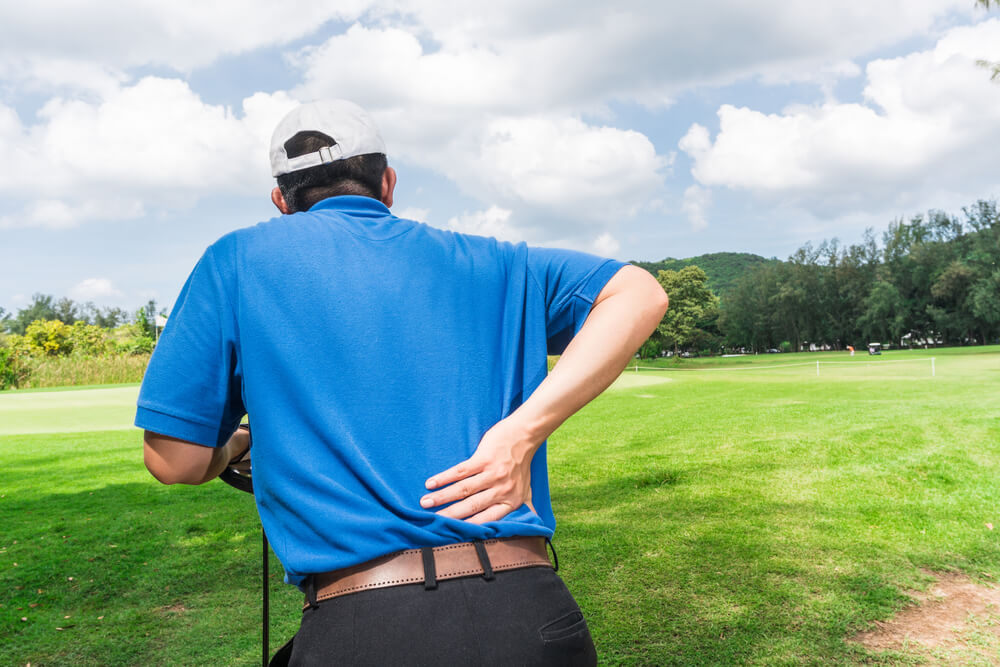
    It’s not surprising that golfers can also get several types of back injuries since there are frequent bending and twisting motions necessary to play golf. Golfers typically have to bend over from the waist to hit the golf ball, and they may be doing this movement hundreds of times during the five or six hours one round takes. This bending places a lot of pressure on the lower back, and the increased pressure can lead to strained back muscles and herniated discs. The same injuries can also result from the twisting motion your back does during your golf swing.

    3.   Shoulder injury

    Shoulder injuries are another type of common golf injury, and they’re usually caused by the repetitive movements golfers make during their swing. Also, accidentally striking roots, rocks or other hard objects while swinging your club can lead to a strained shoulder muscle. Poor posture during your swing can also put extra stress on your shoulders, and this could result in an injury to your rotator cuff. 

    Swing over to Excel Sports & Physical Therapy for help with common golf injuries

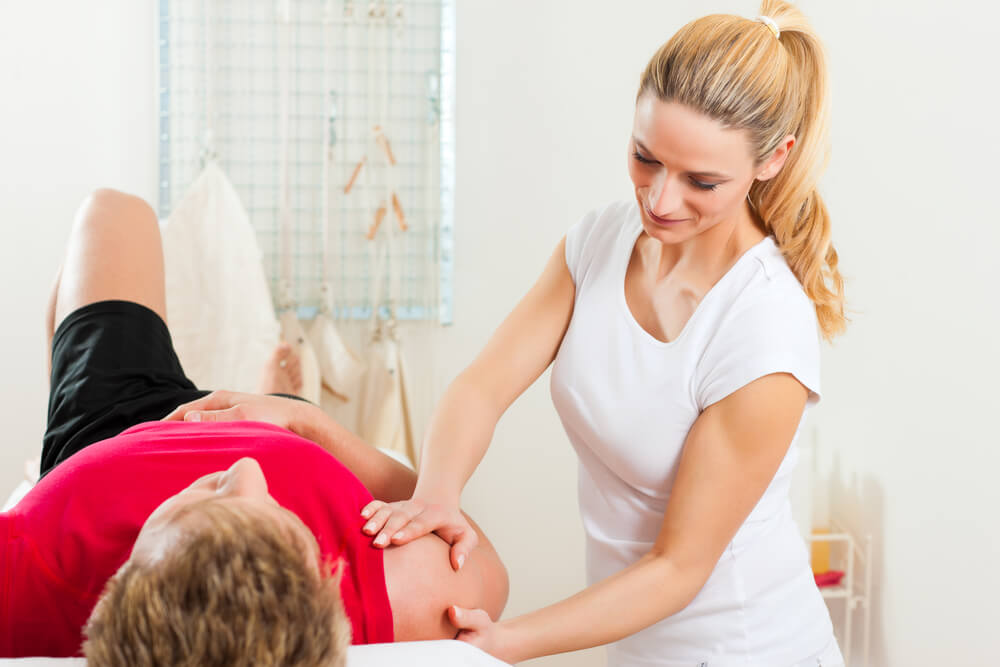
    If you’ve injured yourself playing golf, there’s a physical therapy team in Saint Charles that can help you with your injury recovery. This team can be found at Excel Sports & Physical Therapy. Our team will work one-on-one with you to determine what injury you have and what its root cause is. Then, we’ll build you a personalized physical therapy plan, and this plan can make use of many physical therapy techniques, such as: 

    Are you ready to start treating your golf injury? Contact our team today for more information or to schedule an appointment. 

  • Two causes of lower leg pain after running in Allison Park, PA

    Two causes of lower leg pain after running in Allison Park, PA

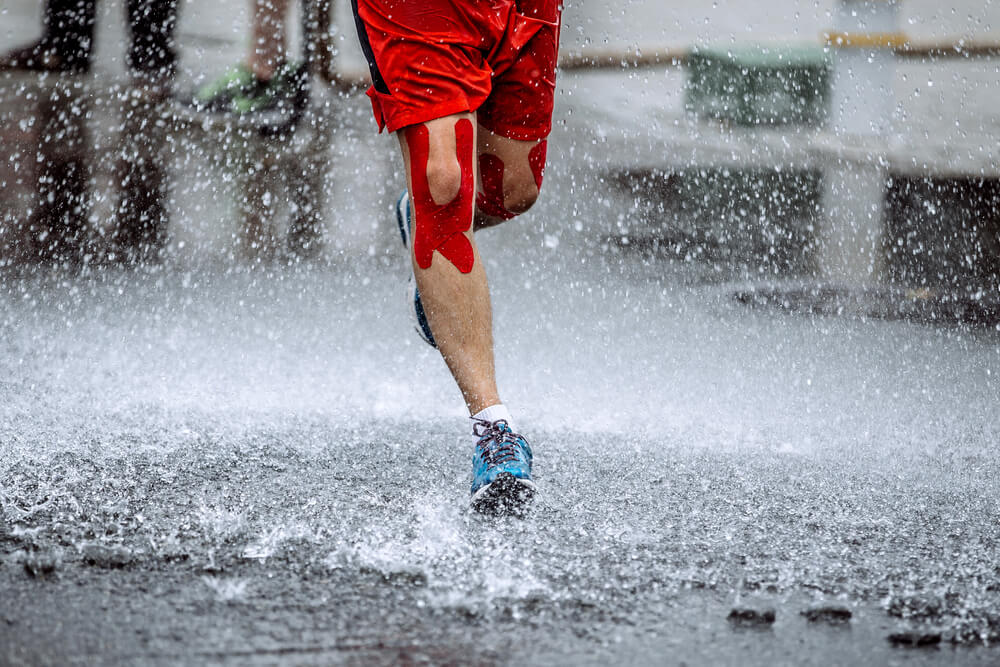
    Like many areas of the country, Allison Park, Pennsylvania, has its fair share of runners. Running is a great way to improve physical fitness, but it’s not without its issues. Some people in Allison Park may be experiencing lower leg pain after running. Those looking for the cause of this type of pain may want to consider two lower leg problems. 

    1.   Calf muscle strain

    The calf muscles are an important part of a person’s ability to run, and if one of them is strained, it can be the reason you feel lower leg pain after running. There are two calf muscles that can be strained. The gastrocnemius is the larger of these two muscles, and it’s this muscle that forms the bulge in your calf.  The soleus is a smaller muscle under the gastrocnemius, and these two muscles together pull the heel up when you’re running. This ability gives you the ability to move forward by pushing off of your foot. 

    There are several symptoms of a calf muscle strain, but one of the most common is mild to severe pain in the lower leg. This condition can be the result of either a lack of stretching before running or overstretching the calf muscles. It can also be caused by doing too much running without giving the muscle enough time to recover. 

    2.   Shin splints

    On the other side of your lower leg, shin splints can also cause you to feel lower leg pain after running. This condition is often called medial tibial stress syndrome by medical professionals, and it causes the soft tissue around the shin bones to become inflamed and painful. Shin splints are typically caused by the stress repetitive running motions place on the legs, and they’re common if you run too often or you just started running. 

    Other factors can increase your chances of getting shin splints. For example, changing from running on flat surfaces to running up hills can increase leg stress and cause this condition. People who run in worn-out or improper shoes are also more likely to get shin splints. Also, having flat feet or overly rigid foot arches can put you at greater risk of this issue. 

    Panther Physical Therapy is ready to help you treat lower leg pain after running

    At Panther Physical Therapy, our team can help Allison Park residents treat painful running-related issues, and we can help you find treatment for many other sports injuries. The backbone of your treatment journey with us will be the personalized therapy plan we design for you. This plan may make use of multiple therapy techniques, including: 

    Contact our team today for more information or to schedule an appointment.
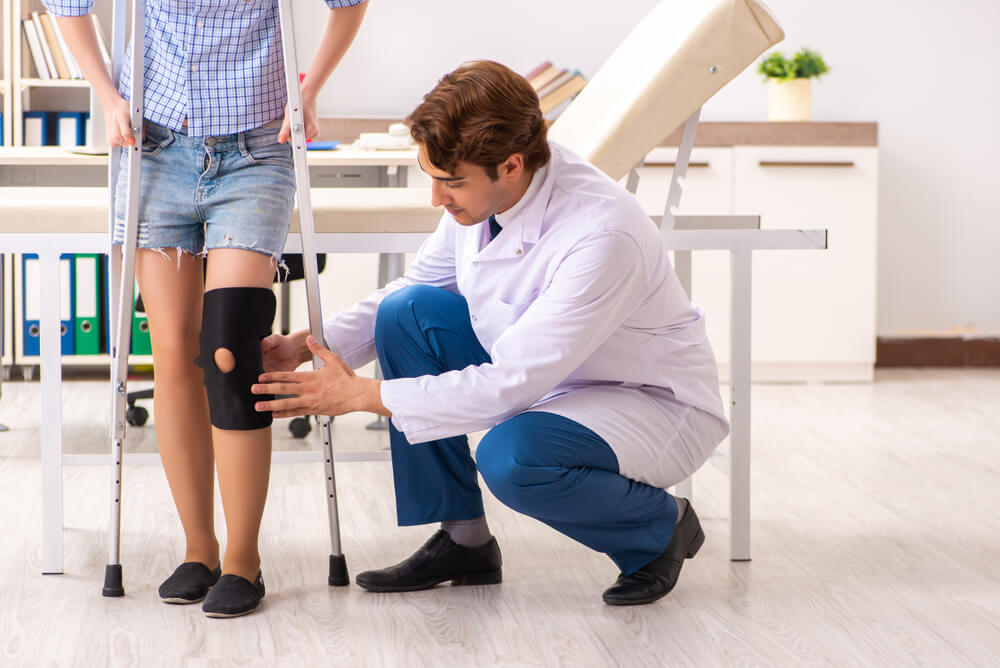
  • Sports injuries that require physical therapy in Wentzville, MO

    Sports injuries that require physical therapy in Wentzville, MO

    Athletes near Wentzville, Missouri, need to know there’s a team they can trust when they’re injured. That’s why Excel Sports and Physical Therapy specializes in treating a variety of sports injuries and helping athletes prevent them.

    Get to know some of the most common sports injuries our team can treat.

    Common sports injuries that require physical therapy

    • Torn hamstring — The hamstring is a group of muscles at the back of the thigh that helps you move your leg. Overexertion can cause these muscles to stretch and tear, which is painful and limits the use of your leg.
    • Pulled groin — The groin muscles run between your pelvic bones and your thighs. Stretching the leg too far with sudden movements like falling or kicking can cause these muscles to tear. This can be painful and keep you from training and competing while you recover.
    • Torn anterior cruciate ligament (ACL) — The ACL is a ligament in the center of the knee that provides stability for the joint. A sudden twisting motion of the knee can cause the ACL to tear, which results in pain and instability in your knee. Athletes often need surgery to regain complete use of the knee, but physical therapists help you prepare for and recover from the surgery.
    • Torn meniscus — The menisci are pieces of cartilage between the bones on each side of your knee joint. A sudden twist to the knee can cause one of the menisci to tear. A torn meniscus can fold back on itself, which is painful and can keep you from bending or straightening your leg.
    • Tennis elbow — Tennis elbow is the common name for elbow tendinitis. This is an inflammation of the elbow tendon caused by overuse of the joint. It’s commonly associated with tennis players, but it can affect other athletes who use their elbows a lot, such as golfers and baseball players.
    • Sprains and strains — Sprains and strains are stretches and tears to your ligaments and tendons. These are most common in an athlete’s legs due to running, but they can affect other parts of the body as well.
    • Fractures — Athletes are at risk for falls and collisions with other competitors that may lead to fractures. Some fractures are severe and require surgery for treatment. Others can benefit from some rest and the guided professional treatment of a physical therapist. 

    Visit Excel Sports and Physical Therapy in Wentzville, MO, for sports injury treatment

    Don’t let an injury keep you from enjoying your favorite athletic activities. Our team at Excel Sports and Physical Therapy is here to help you recover. Contact our team today for more information about sports injury treatment or to schedule an initial appointment.

  • Three reasons athletes in St. Louis need sports therapy

    Three reasons athletes in St. Louis need sports therapy

    Participating in sports puts extra demands on your body. Sports take a toll on your muscles, ligaments, soft tissue, bones and joints. Athletes of all levels need to take special care of their bodies if they want to keep pursuing the physical activities they love. That’s why many athletes choose to visit physical therapists for assistance.

    Physical therapists are experts in treating the muscles, soft tissue, bones and joints. They are skilled in a variety of treatments that are beneficial for amateur and professional athletes. Take a look below at three reasons you should schedule an appointment for sports therapy if you’re an athlete: 

    You need to treat an injury

    Athletes are frequently injured due to the strain of physical performance and from hard impacts. Recovery from many of these injuries is painful and requires a lot of time. This is difficult for athletes who don’t want to fall behind the competition or simply feel restless while not training and competing.

    Physical therapy treatments for sports injuries vary depending on the cause of the injury. However, the general goal of treatment is the same for all athletes: to reduce pain and to improve the speed and quality of recovery. 

    You need to prevent injuries

    One step above treating injuries is preventing them from occurring in the first place. Physical therapists can help improve your strength, flexibility and gait, which can reduce your chances of getting injured in the future. This is beneficial for both athletes recovering from an injury and athletes who are currently in good shape 

    You need to step up your game

    Physical therapists can examine your physical condition and the way that you run, jump and move. With the information gathered by their examinations and observations, they can develop a personalized sports therapy routine to help you improve your physical performance. If you’re looking to enter the next level of competition, this may be just what you need.

    Visit Excel Sports & Physical Therapy in St. Louis for sports therapy

    Are you an athlete who needs help treating or avoiding an injury? Are you looking to improve your performance so you can outshine the competition? Our team at Excel Sports & Physical Therapy in St. Louis is ready to help you meet your goals. Contact our team today for more information about sports therapy or to schedule an initial appointment.

  • Four physical therapy treatments for sports injuries

    Four physical therapy treatments for sports injuries

    Many injured athletes choose to visit physical therapists for treatment. Physical therapists are trained and experienced in treatments that can reduce pain and restore your strength and flexibility. This is important for athletes who want to recover well and quickly so they can get back to training and competing.

    The treatments physical therapists use for sports injuries vary depending on the cause and severity of the injury. At Panther Physical Therapy, treatments are customized to your individual needs. Generally, you can expect your treatment for a sports injury to include:

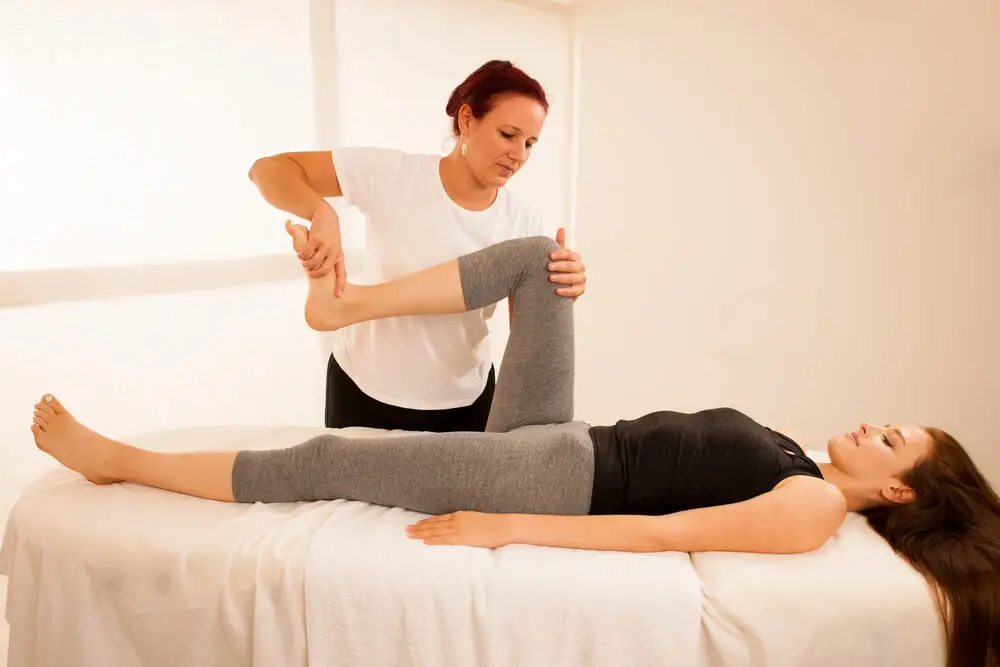
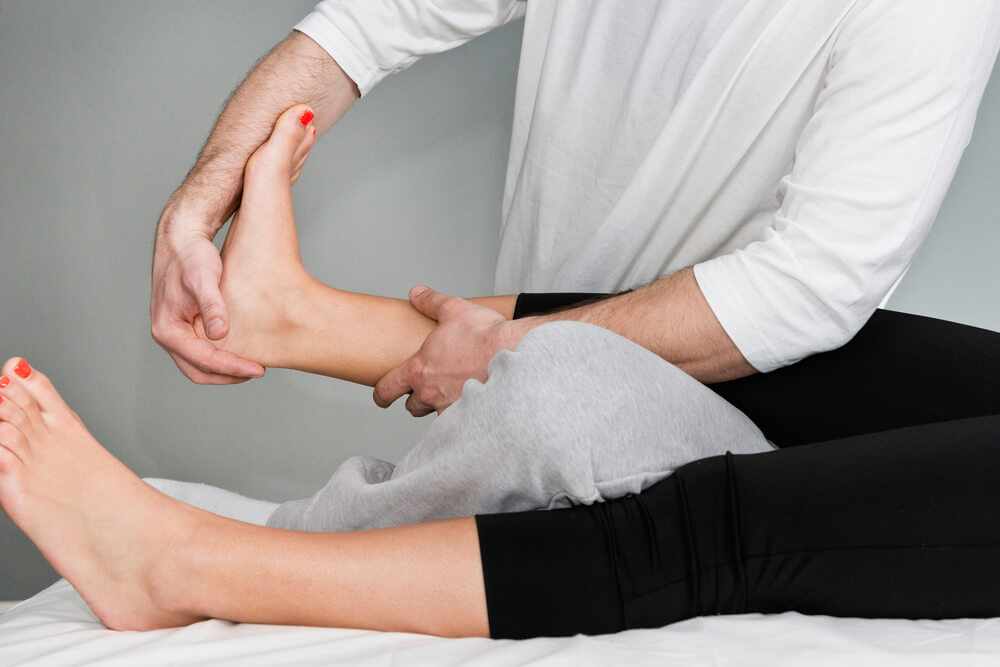
    1. Hands-on therapy — Also known as manual therapy, hands-on therapy involves a series of techniques in which a physical therapist uses their hands to manipulate the joints and soft tissue. These techniques can reduce pain and improve the range of motion in the spine and injured joints.  
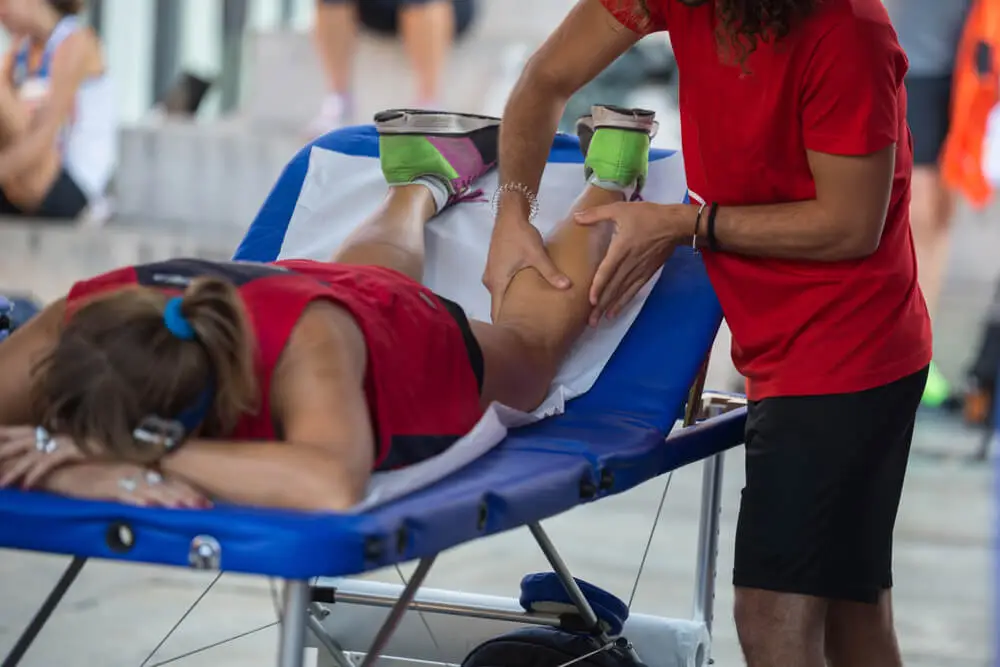
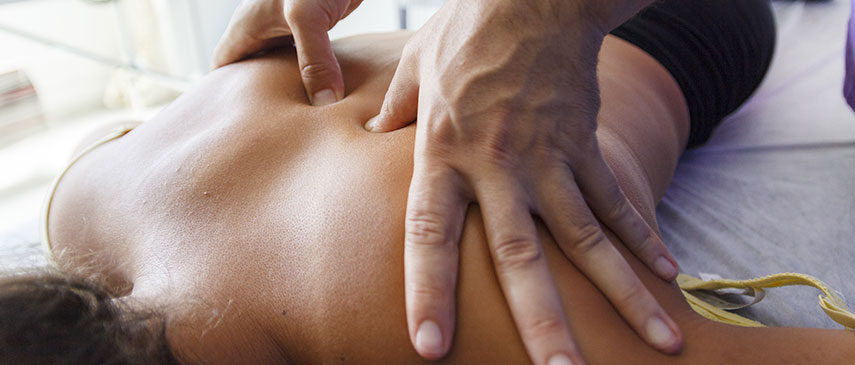
    2. Deep tissue massage — Tense muscles around the injured area increase pressure on the injury, which increases the amount of pain you feel. Physical therapists can massage these muscles to help reduce tension and pain. 
    3. Therapeutic exercise — Therapeutic exercises are at the core of many physical therapy treatments. Physical therapists can safely guide you through exercises to help you build your strength and flexibility. This reduces pressure off of the injured areas and provides better support for your body, which improves the overall recovery process. 
    4. Electrical stimulation — Physical therapists can connect electrodes to the skin around the injured area that deliver small bursts of electricity to the muscles. This helps the muscles expand and contract, which is important for keeping them healthy and fit when you cannot use them due to the injury. It also helps soothe the pain and improve blood flow in the injured area.

    Visit Panther Physical Therapy to treat a sports injury

    Are you an athlete who’s been injured and is ready to recover and get back in the game? Our team at Panther Physical Therapy can help. Let one of our physical therapists examine your condition and develop a personalized treatment for you. Contact our team today to learn more about treating sports injuries or to schedule an initial appointment.

  • At-home sports therapy treatments

    At-home sports therapy treatments

    Sports therapy is the branch of physical therapy that deals with treating and preventing injuries related to sports, exercise and any other athletic pursuit. While you may associate it with professional or student athletes, sports therapy can help athletes and fitness seekers of any age and ability level.

    Engaging in an athletic pursuit is a great way to stay fit and have fun, but it can take a toll on your body and potentially lead to injuries. By receiving sports therapy from a qualified clinician, you can improve your overall strength and stability, while helping the body’s natural healing process.

    An equally important part of the treatment puzzle are the steps you take on your own. Part of your in-clinic sessions should include instruction on at-home exercises and other methods that can help you treat a current injury and prevent future ones from developing.

    Your therapist can instruct you on these sports therapy treatments

    Sports therapy methods you can do on your own include:

    • Strength and stability exercises — The particular recommendation will depend on your specific injury and level of fitness, but the basic goal should be to strengthen the muscles and connective tissue that supports the injured area.
    • Stretching techniques — Many sports-related injuries occur due to insufficient or improper stretching. Your sports therapy specialist can instruct you on proper warmups and cooldowns for your chosen activity.
    • Hot and cold compression therapy — Alternating a heat source to relax tense muscles and increase blood flow to the area with cold to relieve inflammation can be very beneficial for many injuries and help you recover from workouts.

    Always listen to your body and stop any activity if something feels wrong, whether playing a sport or engaging in therapeutic exercise. Other important aspects of sports therapy include staying hydrated, practicing good posture and having good cardiovascular fitness.  

    The therapists at Excel Sports and Physical Therapy are the experts you can trust

    If you’re looking for sports therapy in the St. Louis city and county, St. Charles County and Warren County areas of Missouri, the dedicated and talented team at Excel Sports and Physical Therapy is here to help. We treat athletes of all ages and ability levels with customized plans and one-on-one care.

    Learn more about our locations and treatment options when you contact us today to schedule your initial appointment.

  • How a sports therapist improves an athlete’s recovery

    How a sports therapist improves an athlete’s recovery

    Participating in sports puts a lot of physical demand on your body. To keep up with or outshine the competition, you must train hard and compete harder. However, as you push yourself harder and harder, you increase your chances of getting injured.

    Injuries for athletes are major setbacks that keep them from doing what they love and overcoming the competition. That’s why many injured athletes choose to work with a sports therapist to improve the recovery process.

    Reasons an injured athlete should see a sports therapist

    • Reduced pain during recovery — One of the symptoms of most injuries is chronic pain. Sports therapists can help reduce pain while recovering with a variety of techniques.

      For example, they may help build the strength and flexibility of the muscles surrounding the injured area to help reduce pressure off of it. Or, they may use electrical stimulation to soothe pain and keep the muscles healthy and active. The exact techniques a sports therapist may use in your treatment will depend on the nature and severity of your injury.

    • Faster recovery time — A major issue of sports injuries is they keep athletes from enjoying their favorite activities. Sports therapists can identify the ways an injury is affecting your body so they can develop a treatment to help you recover faster. Your recovery is always done at a pace that’s right for you. Sports therapists know your limits and will never push you too hard and cause further harm.

    • Better quality of recovery — Recovering from an injury without the assistance of a sports therapist may result in a less-than-optimal condition. Sports therapists can help break down scar tissue that limits your range of motion and affects your ability to compete.

    • Reduced chances of future injury — Most sports therapy treatments include an element of improving the strength and flexibility of an athlete. This not only helps treat pain and improve the quality of recovery, but it also helps prevent future similar injuries.

    Visit Panther Physical Therapy for sports therapy

    Athletes of all levels who have been injured can visit a physical therapist at Panther Physical Therapy for sports therapy. Even if you haven’t been injured, you can still visit a sports therapist to improve your physical condition and lower your chances of getting hurt. Contact our team today to learn more about sports therapy or to schedule an initial appointment.

  • Why does elevating a sports injury help it heal?

    Why does elevating a sports injury help it heal?

    If you play sports, you may have experienced a sports injury. If you’ve played for many years, you may know some methods to help your injury heal. However, you may not know why elevation helps a sports injury heal.

    One reason elevating a sports injury helps it heal

    One reason elevation helps sports injuries is that it helps reduce swelling. Swelling is the increased movement of fluid and white blood cells to a specific part of the body. While it can occur for many reasons, swelling is usually an important part of the body’s natural inflammatory response to tissue damage, such as from an injury. What your body is telling you is to not use the injured area so it can work toward healing it.

    Unfortunately, swelling can also cause pain. This is because swollen tissue presses against nerves that send pain signals to your brain. By elevating that part of the body, gravity works to help drain some amount of excess fluid from the injury site, which may reduce pain and speed up healing.

    In order to get the best results from elevation, you should raise the limb above the level of your heart. If you can’t, simply raise it as high as possible.

    Besides elevation, there are also other treatment options that may help reduce swelling and inflammation, including:

    • Icing
    • Compressing injured area with a bandage
    • Resting the injured body part as much as possible

    Our team at Crane Physical Therapy & Spine often recommends rest, ice, compression and elevation (RICE) in the first few days after a sports injury in addition to seeing a physical therapist as soon as possible. Once this initial healing period is over, we can start to work on a personalized therapy plan designed to strengthen the injured area and prevent injuries in the future as best we can.

    Contact our team today for more information or to schedule an initial appointment.

  • Sports injury treatment in O’Fallon, MO

    Sports injury treatment in O’Fallon, MO

    Physical therapy is an extremely beneficial sports injury treatment in O’Fallon, Missouri. It is essential to a successful recovery and helps you work on ways to avoid injuring yourself again. A physical therapist at Excel Sports & Physical Therapy will work with you to develop a treatment plan unique to your sports injury and your body’s capabilities.

    Because the body is put through a fast-paced game with contact and sudden, sharp movements, sports such as basketball, football and soccer put athletes at a high risk for injuries. Whether you suffered your sports injury playing for your university, high school, a pick-up game at the local park or by going about your daily exercise routines where you go for a run around the track, you will need the right treatment in order to generate the best results.

    Here are some of the most common sports injuries we treat at Excel Sports & Physical Therapy:


    • Tennis or golf elbow – Don’t be fooled, it doesn’t only occur in tennis players or golfers. Tennis elbow, or epicondylitis, develops through the repeated use of the elbow that causes damage to the elbow’s ligaments. It is responsible for 7 percent of all sports injuries and often occurs in people over the age of 30.


    • Patellofemoral syndrome injury – Your knee is arguably the most used area of your body in any sport. If you’re playing basketball, you can’t make cuts without it. If you’re on the track team, you can’t sprint. This is where patellofemoral syndrome occurs, when the kneecap is rubbing against the bone after the tissues deteriorate from constant, high-intensity movements. This can be a sports injury that takes weeks to months to recover from, so be sure to see a physical therapist immediately.


    • Sciatica – If you don’t stretch properly on a daily basis before and after you begin your physical activity, you can put yourself at risk for suffering from sciatica. Sports like baseball and running can put a lot of stress on the sciatic nerve, often causing back spasms and extreme lower-back pain that goes from the back to the toes.


    Don’t wait for the pain to get worse, take advantage of physical therapy for sports injury treatment in O’Fallon.

    Contact us with any questions and to schedule your initial appointment today.

  • How to choose the right shoes to prevent knee pain

    How to choose the right shoes to prevent knee pain

    The proper footwear is usually not the first thought for patients who suffer from chronic knee pain. But the body is an interconnected system of muscles, tendon and bone, so what we do for our feet can affect our knees and hips. Border Therapy Services shares how to choose the right shoes to help prevent knee pain.

    Choose a well-cushioned shoe

    Though this may seem like an obvious solution, a well-cushioned shoe can do wonders for knee pain. They act as shock absorbers lessening the impact on our feet, knees and hips. Cushioned shoes can also help reduce the impact when walking or running on hard surfaces like concrete.

    Avoid the high heels and pumps

    Shoes that alter the positioning of the foot can place greater impact on the knee with every step. Stilettos and even more moderately heeled pumps can place extra strain on the knee. In addition, these shoes do not provide much cushion while working. If you have knee pain, save the high heels for another occasion.

    Invest in orthotic inserts

    Orthotic inserts can be added to shoes to make them more comfortable and provide better support. They can also help hold the foot in position to keep from walking with inward rotation (pigeon-toed). While many stores sell orthotics, a custom fit orthotic created by a podiatrist will see the best results in combating knee pain.

    Stick to athletic shoes

    Unfortunately, most stylish shoes are not made with the goal of comfort in mind. If you are having trouble finding a comfortable shoe, then you may want to stick to athletic or running shoes. These type of shoes have the cushioning and soles that provide better shock absorption for knee pain.

    Physical therapy for knee pain

    If you still experience knee pain even after changing your footwear, physical therapy may be your next step. The physical therapist will evaluate you on your first visit to determine the source of your pain and make recommendations including changes to your footwear. If you experience chronic knee pain, contact us today to set up your free 15-minute screening.

  • How to treat sports injuries with physical therapy

    How to treat sports injuries with physical therapy

    Treating sports injuries is a broad area of focus in the health care field. Sports injuries vary widely depending on the cause and severity of the injury. However, since most sports injuries affect the musculoskeletal system, many people are able to find treatment in physical therapy.

    The musculoskeletal system is the part of your body that includes your muscles, bones, joints and soft tissue. Since this is a physical therapist’s area of specialty, many doctors will recommend you visit a physical therapist for treating a sports injury.

    How do physical therapists treat sports injuries?

    Physical therapists have several methods at their disposal for treating sports injuries. The primary goal of most treatments is to improve the strength and flexibility of the muscles and soft tissue around the injury. This is usually done through stretches and exercises specifically designed for your treatment plan.

    Other methods physical therapists can use for treating sports injuries include:

    Common sports injuries treated by physical therapists

    Most sports injuries that affect the musculoskeletal system can be treated by a physical therapist. Here’s a look at some of the most common sports injuries we treat at Panther Physical Therapy:

    • Sprained ankle — Ankle sprains occur when your ankle twists or rolls too far and the ligaments stretch or tear. Ankle sprains vary in severity, ranging from minor stretching to complete ruptures. Either way, a physical therapist can develop a treatment to help the ankle recover well. 
    • Knee injuries — Injuries to the ligaments in the knees, especially the anterior cruciate ligament (ACL) are common in sports injuries. They primarily occur when the knee is forcefully twisted or bent in the wrong direction. 
    • Tennis elbow — Tennis elbow is the common name for epicondylitis, which is a form of inflammation along the tendons in your elbow. This inflammation is the result of overuse, which is why it’s called tennis elbow since tennis players use their elbows a lot. This injury is also common with golfers, swimmers and rock climbers.  
    • Strains — Strains are stretches and tears of the muscles. Some of the most common strains in sports are pulled hamstrings and pulled groins.

    Visit Panther Physical Therapy for treating a sports injury

    Have you recently been hurt while competing or practicing in sports? Our physical therapists at Panther Physical Therapy can help. Contact us today to learn more about treating sports injuries or to schedule an initial appointment.

  • 5 Benefits of Therapeutic Massage for Athletes

    5 Benefits of Therapeutic Massage for Athletes

    As an athlete, you already know that you’ve got to maintain optimal health if you want to keep playing the sport you love. Physical therapy with an experienced physical therapist is a big part of that, especially when you’re recovering from an injury. One of the main parts of a good physical therapy regimen after an injury involves therapeutic massage. Below, you’ll learn five of the best benefits of therapeutic massage for athletes. Call Rehab Access now to learn more about how massage can help you live pain-free.

    1. Improved Circulation

    Regular massage during your physical therapy program can improve circulation considerably. Better circulation means that your muscles get the blood supply needed to prevent stiffness and tension. Your muscles will work and feel better after therapeutic massage.

    2. Improved Immune System

    Sickness can be extra hard on athletes. Just one bad cold or flu can keep you out of the game you love for weeks — and you might feel less than your best for quite a while after that, too. Fortunately, massage helps boost your immune system’s natural defenses. During massage, your body is prompted to power up its natural cytotoxic capacity, which basically means that you’ll be better able to fight off germs, bacteria and illness more effectively.

    3. Less Scar Tissue

    When you’re injured, your body forms adhesions — bands of tough scar tissue — around the injury. These adhesions can restrict your movement, cause serious pain, and can delay your recovery for a very long time if they’re not treated. Your physical therapy massage can deal with those adhesions very efficiently. Your physical therapist can use specific targeted techniques that break up the adhesions, which unbinds your muscles. This is a very important component of your physical therapy program because being adhesion-free is important for both pain relief and for your range of motion.

    4. Muscle Relaxation

    While muscle relaxation is the best-known benefit of massage, it takes on a whole new importance for an athlete. Muscle soreness, tightness and pain are all things that you expect as an athlete — but the good news is that you can greatly decrease these issues with regular therapeutic massage. Even after you’ve completed a physical therapy program following an injury, you might benefit from regular massages with your physical therapist.

    5. Improved Posture

    Massage, when coupled with other kinds of physical therapy, can do a lot of good for your posture. Massage helps bring your body into an optimal place of alignment, which can naturally improve your posture. Better posture has multiple benefits for athletes. When you’ve got good posture, your body can move at its peak, all the time — and this means that you’re playing your sport with a bit of a natural advantage built in.


    As an athlete, your body needs to be in the best condition at all times. This means that after an injury, you’ve got to recover with the help of a physical therapy program designed by an expert physical therapist. It also means that you need to recognize the importance of health maintenance. Something as simple as a therapeutic massage once or twice a month can help you feel your very best, and this means that you’ll be able to be at your peak for every game.


    If you’re looking for noninvasive solutions for pain and injury or if you just want to be the best athlete you can be, contact our physical therapy team now to get started with an expert physical therapist.

When Was Your Appointment?

We recently changed bill pay providers. Please click the button for the date of your appointment to be directed to the correct online payment portal.